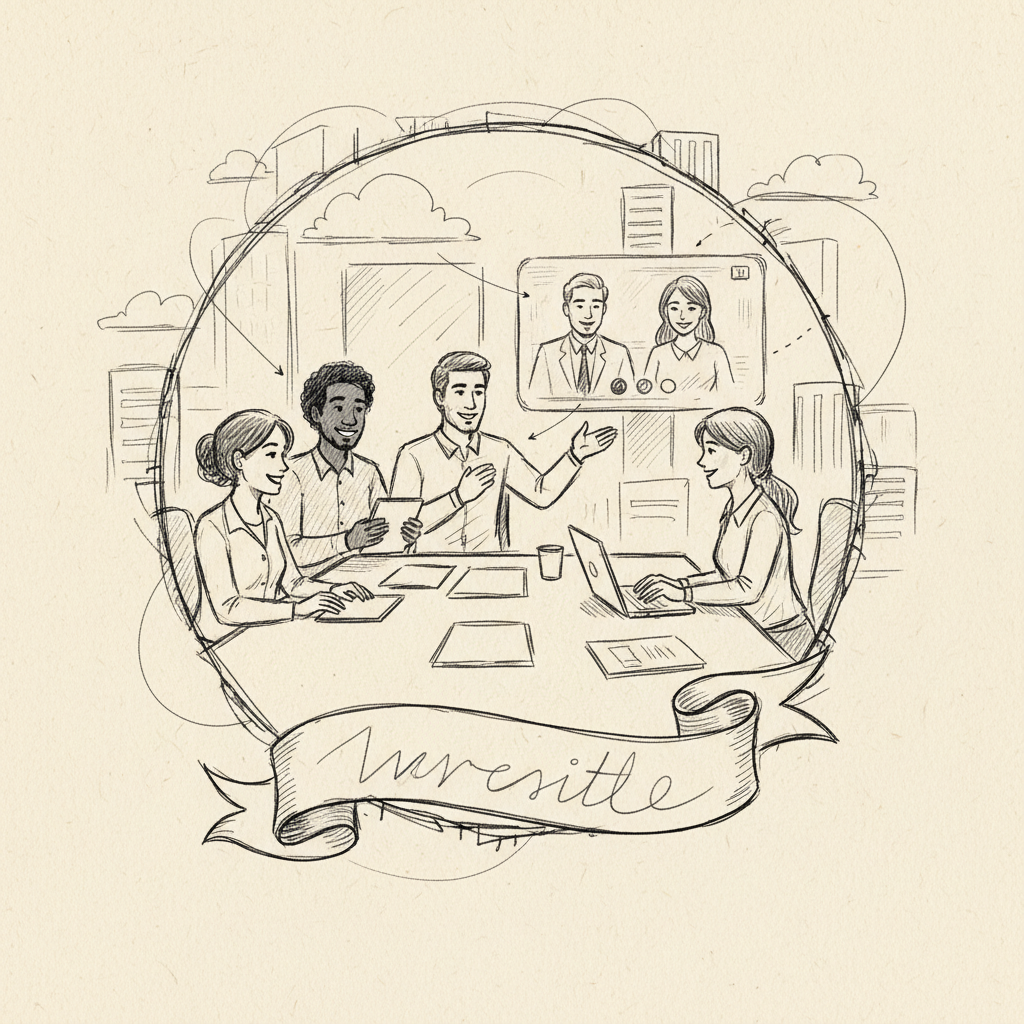
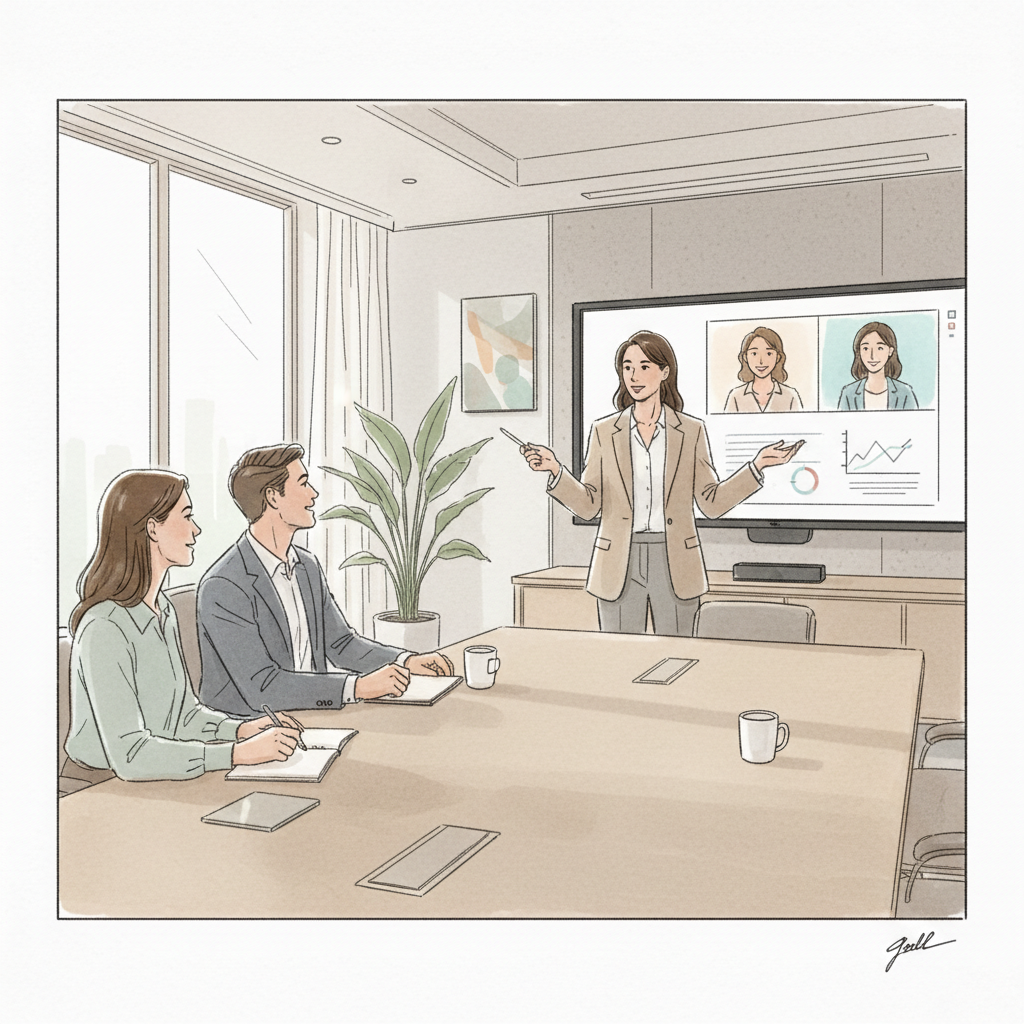
The modern workplace has fundamentally shifted. By 2026, hybrid workforce management has become the cornerstone of organizational success, with 87% of companies adopting flexible work arrangements that blend remote and in-office operations. This comprehensive approach to managing distributed teams isn't just about where people work—it's about orchestrating complex human and technological systems to maximize productivity while maintaining company culture.
Managing hybrid teams is the strategic coordination of employees who split their time between remote locations and physical office spaces. It encompasses technology integration, policy development, performance measurement, and cultural alignment to create seamless work experiences regardless of location. Organizations that master this discipline report 40% higher employee satisfaction and 23% increased productivity compared to traditional work models [1].
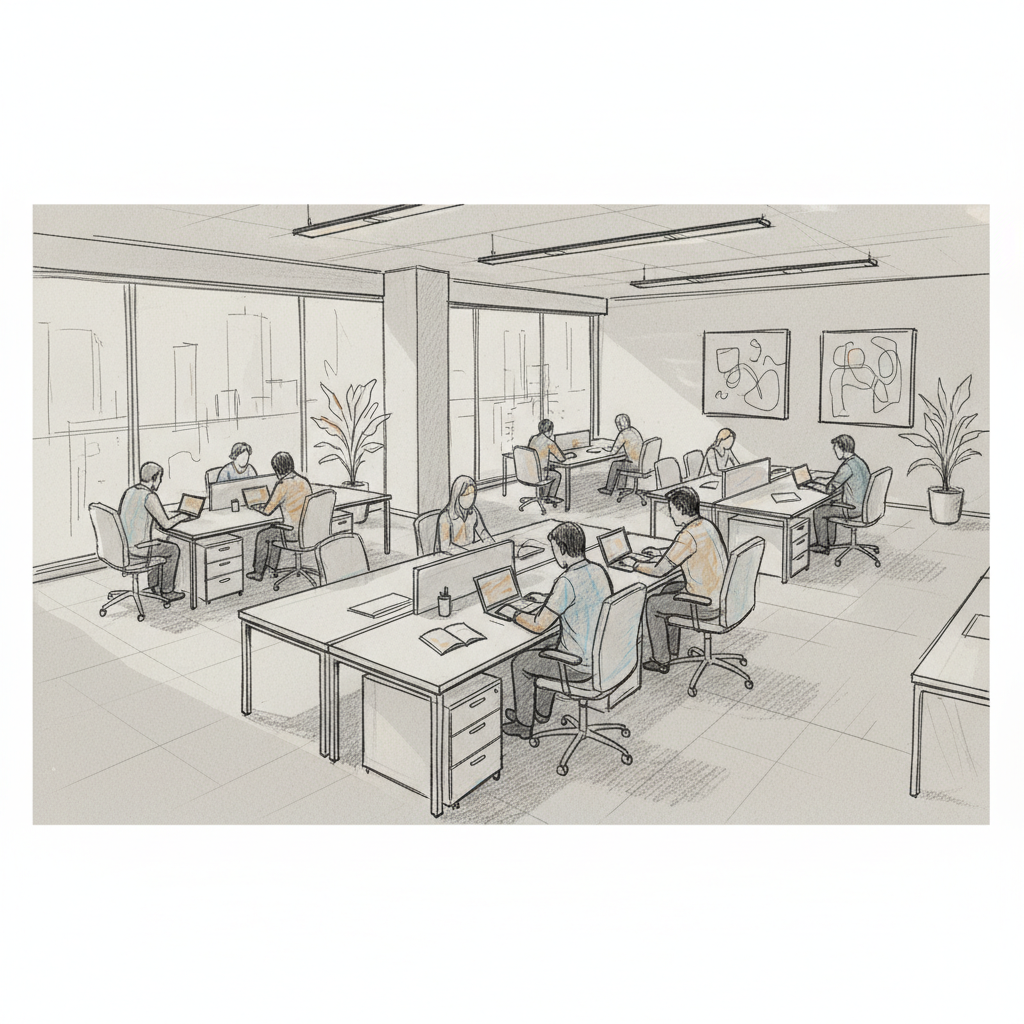
This guide will equip you with the frameworks, tools, and strategies needed to build a thriving hybrid workforce. You'll discover how leading organizations leverage AI-powered solutions to predict attendance patterns,
optimize real estate spend, and maintain team cohesion across distributed environments.
What Is Hybrid Workforce Management?
Managing hybrid teams is the systematic approach to coordinating, supporting, and optimizing teams that operate across multiple work environments. Unlike traditional remote work or full-time office models, hybrid management requires sophisticated orchestration of people, processes, and spaces to maintain operational efficiency.
Core Components of Hybrid Management
The foundation of effective hybrid team coordination rests on several interconnected elements:
- Workforce coordination: Scheduling and synchronizing team members across different locations to ensure collaboration and productivity
- Technology integration: Implementing unified platforms that support seamless communication and workflow management
- Space optimization: Managing physical office resources based on dynamic attendance patterns and team needs
- Performance measurement: Developing metrics that accurately assess productivity regardless of work location
- Cultural maintenance: Preserving company values and team relationships in distributed environments
According to research from Stanford Institute for Economic Policy Research, organizations with structured hybrid management systems achieve 97% attendance forecast accuracy, enabling more precise resource allocation and cost optimization [2].
The Evolution Beyond Basic Flexibility
Traditional flexible work arrangements often lacked systematic management approaches. Today's hybrid team coordination has evolved into a sophisticated discipline that addresses the complexities of modern business operations.
Pro Tip: Successful hybrid team management requires treating it as a distinct operational capability, not simply an extension of existing HR or IT functions.
The most effective hybrid management strategies integrate predictive analytics to anticipate workforce patterns. At Upflex, we've found that organizations using AI-powered coordination achieve 88% team co-attendance rates when needed, compared to just 34% for companies relying on manual coordination methods.
Key Differentiators from Remote Work Management
While remote work management focuses primarily on supporting distributed employees, managing hybrid teams must balance the needs of both in-office and remote workers simultaneously. This dual focus creates unique challenges in resource allocation, communication protocols, and performance evaluation.
How Hybrid Workforce Management Works
Managing hybrid teams operates through interconnected systems that coordinate people, processes, and physical spaces in real-time. The most effective approaches combine human-centered policies with technology-enabled automation to create seamless work experiences.
The Technology Infrastructure
Modern hybrid team coordination relies on integrated technology stacks that provide visibility and control across distributed operations:
- Attendance forecasting systems: AI algorithms analyze historical patterns, project requirements, and individual preferences to predict office utilization
- Space management platforms: Dynamic booking systems that optimize desk allocation and meeting room usage based on real-time demand
- Communication hubs: Unified platforms that maintain consistent interaction quality regardless of participant location
- Performance analytics: Tools that measure productivity, collaboration effectiveness, and employee satisfaction across work environments
Research from MIT Sloan indicates that organizations with comprehensive technology integration report 45% better coordination efficiency compared to those using disconnected tools [3].
Workforce Coordination Mechanisms
Effective hybrid management requires systematic approaches to team coordination:
The most successful organizations implement what industry experts call "orchestrated flexibility"—structured frameworks that provide autonomy while maintaining operational coherence. This involves establishing core collaboration hours, rotating in-office schedules based on project needs, and using data-driven insights to optimize team interactions.
| Coordination Element |
Manual Approach |
AI-Powered Approach |
| Attendance Planning |
Weekly surveys, manual scheduling |
Predictive algorithms, automated optimization |
| Space Allocation |
First-come basis, static assignments |
Dynamic allocation based on team needs |
| Meeting Coordination |
Individual scheduling, location conflicts |
Integrated planning with space optimization |
Policy and Process Integration
Successful hybrid team coordination requires comprehensive policy frameworks that address both operational and cultural considerations. These policies must be flexible enough to accommodate individual needs while maintaining organizational coherence.
Leading organizations establish clear guidelines for communication protocols, performance expectations, and collaboration standards. According to SHRM research, companies with well-defined hybrid policies report 31% higher employee engagement and 28% lower turnover rates [4].
Key Benefits of Effective Hybrid Workforce Management
Organizations that implement comprehensive hybrid team coordination systems realize significant advantages across multiple dimensions of business performance. These benefits extend beyond simple cost savings to encompass productivity gains, talent retention, and operational resilience.
Cost Optimization and Resource Efficiency
The financial impact of effective hybrid team management can be substantial:
- Real estate cost reduction: Organizations typically reduce office space requirements by 30-50% while maintaining operational effectiveness
- Overhead savings: Lower utilities, maintenance, and facility management costs through optimized space utilization
- Technology ROI: Unified platforms eliminate redundant systems and reduce per-employee technology costs
- Travel reduction: Strategic coordination minimizes unnecessary commuting and business travel expenses
At Upflex, we've observed clients achieving average real estate cost reductions of 42% within the first year of implementing comprehensive hybrid team coordination systems. One global technology company reduced their office footprint from 2.3 million square feet to 1.4 million square feet while improving employee satisfaction scores by 38%.
Enhanced Productivity and Performance
Well-managed hybrid workforces consistently outperform traditional models across key productivity metrics. Research from Rutgers University demonstrates that properly coordinated hybrid teams achieve 19% higher task completion rates and 24% faster project delivery times [5].
Pro Tip: Focus on outcome-based performance measurement rather than activity tracking. Hybrid workers perform best when evaluated on results rather than hours logged.
The productivity gains stem from several factors: reduced commute stress, optimized work environments for different task types, and improved work-life integration. However, these benefits only materialize with proper management systems in place.
Talent Acquisition and Retention Advantages
Hybrid team coordination capabilities have become critical differentiators in competitive talent markets:
Organizations with mature hybrid management systems report 47% larger candidate pools and 35% higher offer acceptance rates. The ability to offer genuine flexibility while maintaining operational excellence appeals to top performers across all demographic groups.
Employee retention benefits are equally significant. Companies with effective hybrid team coordination experience 23% lower voluntary turnover compared to organizations with ad-hoc flexible work policies. The key difference lies in providing structure and support rather than simply allowing remote work.
Operational Resilience and Adaptability
Managing hybrid teams creates inherent organizational resilience. Teams accustomed to working across multiple environments can adapt more quickly to disruptions, whether from public health concerns, natural disasters, or economic shifts.
This adaptability extends to business expansion and contraction cycles. Organizations can scale operations more efficiently when they're not constrained by physical office capacity or geographic limitations.
Common Challenges and How to Overcome Them
Despite the clear benefits, hybrid team coordination presents unique challenges that can undermine success if not properly addressed. Understanding these pitfalls and implementing preventive measures is crucial for sustainable hybrid operations.
Communication and Collaboration Barriers
The most frequently cited challenge in managing hybrid teams is maintaining effective communication across distributed teams. Unlike fully remote teams where everyone operates under similar conditions, hybrid environments create asymmetric communication patterns that can lead to information silos and reduced collaboration quality.
- Meeting equity issues: In-office participants often dominate discussions while remote attendees become passive observers
- Informal communication loss: Spontaneous interactions and casual knowledge sharing decrease significantly
- Documentation gaps: Important decisions made during in-person conversations aren't always captured for remote team members
- Technology inconsistency: Different communication tools and standards across locations create friction
Successful organizations address these challenges through structured communication protocols. This includes establishing "remote-first" meeting standards where all participants join virtually even when some are in the office, implementing comprehensive documentation requirements, and creating dedicated channels for informal interaction.
Performance Management Complexities
Traditional performance management approaches often fail in hybrid environments. Managers struggle to assess productivity fairly across different work locations, leading to bias toward visible in-office employees or over-monitoring of remote workers.
| Performance Challenge |
Traditional Approach |
Hybrid-Optimized Solution |
| Productivity Measurement |
Hours worked, desk time |
Outcome-based metrics, project deliverables |
| Collaboration Assessment |
Meeting attendance, face time |
Contribution quality, team feedback |
| Career Development |
Visibility to leadership |
Skills development, project impact |
Cultural Cohesion and Engagement
Maintaining strong organizational culture across hybrid workforces requires intentional effort and systematic approaches. Without proper management, hybrid teams can develop fragmented cultures where in-office and remote employees feel disconnected from each other and the broader organization.
Pro Tip: Schedule regular "culture check-ins" where teams explicitly discuss how hybrid arrangements are affecting collaboration and relationships. Address issues proactively rather than waiting for problems to escalate.
Common mistakes include treating culture as something that will naturally emerge rather than actively cultivating it, focusing only on productivity metrics while ignoring engagement indicators, and failing to create meaningful connections between remote and in-office employees.
Technology Integration and Security
Managing hybrid teams requires sophisticated technology ecosystems that many organizations struggle to implement effectively. Security concerns multiply when employees access company systems from multiple locations and devices, while integration challenges can create workflow inefficiencies that offset productivity gains.
The most successful organizations invest in unified platforms that provide consistent experiences across all work environments rather than cobbling together disconnected tools. This includes implementing zero-trust security models, providing standardized hardware and software configurations, and ensuring reliable connectivity regardless of location.
Best Practices for Hybrid Workforce Management in 2026
Leading organizations have developed proven frameworks for managing hybrid teams that consistently deliver superior results. These best practices reflect lessons learned from early hybrid implementations and incorporate emerging technologies that enhance coordination and productivity.
Implement Data-Driven Workforce Planning
Modern hybrid team coordination relies heavily on predictive analytics and real-time data to optimize operations. The most effective approaches combine multiple data sources to create comprehensive workforce intelligence:
- Attendance pattern analysis: Use historical data and project requirements to predict when teams need to be co-located
- Collaboration mapping: Identify which roles and functions benefit most from in-person interaction
- Performance correlation: Analyze productivity patterns across different work arrangements to optimize individual and team schedules
- Space utilization tracking: Monitor how physical spaces are used to right-size real estate and improve employee experience
Organizations using comprehensive workforce analytics report 34% better resource allocation efficiency and 28% higher employee satisfaction with work arrangements. The key is moving beyond simple occupancy tracking to understand the relationship between location, collaboration, and performance.
Establish Clear Hybrid Work Policies
Successful hybrid team coordination requires comprehensive policy frameworks that provide clarity while maintaining flexibility. These policies should address operational requirements, performance expectations, and cultural standards:
- Core collaboration hours: Define when team members must be available regardless of location
- In-office requirements: Specify roles or activities that require physical presence
- Communication protocols: Establish standards for meetings, documentation, and informal interaction
- Performance standards: Create location-agnostic metrics that focus on outcomes rather than activity
- Technology guidelines: Provide clear requirements for equipment, security, and connectivity
According to ActivTrak research, organizations with well-defined hybrid policies experience 41% fewer coordination conflicts and 29% faster onboarding for new hybrid employees [6].
Invest in Integrated Technology Platforms
The technology foundation for managing hybrid teams should prioritize integration and user experience over feature completeness. The most successful organizations implement platforms that provide unified experiences across all work environments:
Pro Tip: Evaluate technology solutions based on their ability to create seamless experiences rather than individual feature sets. The best hybrid management platforms feel invisible to users while providing powerful coordination capabilities.
Key technology components include AI-powered scheduling systems that optimize team coordination, unified communication platforms that provide consistent interaction quality, space management tools that dynamically allocate resources, and analytics dashboards that provide real-time operational visibility.
Focus on Manager Development and Training
Managing hybrid teams requires fundamentally different leadership skills compared to traditional management approaches. Managers must learn to coordinate across locations, assess performance without direct observation, and maintain team cohesion in distributed environments.
Effective manager training programs address communication techniques for hybrid environments, performance management approaches that focus on outcomes, technology utilization for coordination and collaboration, and strategies for maintaining team culture and engagement across locations.
Organizations that invest in comprehensive manager training for hybrid leadership report 52% better team performance and 37% higher manager confidence in distributed team management.
Create Intentional Culture-Building Programs
Maintaining strong organizational culture in hybrid environments requires systematic effort and creative approaches. The most successful organizations implement structured programs designed to foster connection and alignment across distributed teams:
Regular virtual coffee chats and informal interaction opportunities, structured mentorship programs that pair remote and in-office employees, company-wide events that bring distributed teams together periodically, and recognition programs that celebrate collaboration across work arrangements.
These initiatives must be carefully designed to avoid creating additional workload while genuinely enhancing team relationships and organizational cohesion.
Frequently Asked Questions
1. What does hybrid workforce mean?
Understanding hybrid workforce management is essential. A hybrid workforce consists of employees who split their time between remote locations and physical office spaces, with flexibility to choose where they work based on role requirements, project needs, and personal preferences. Unlike fully remote or traditional in-office models, this requires coordinating complex scheduling, technology, and cultural considerations to maintain productivity and collaboration across multiple work environments.
2. What are the 5 C's of hybrid work?
The 5 C's of hybrid work are Communication (maintaining clear information flow across locations), Collaboration (ensuring effective teamwork regardless of physical presence), Culture (preserving organizational values and relationships), Connectivity (providing reliable technology infrastructure), and Continuity (maintaining consistent operations and performance standards). These elements work together to create successful coordination systems that deliver both flexibility and operational excellence.
3. How to manage a hybrid workforce?
Managing a hybrid workforce requires implementing comprehensive coordination systems that include data-driven attendance planning, clear communication protocols, outcome-based performance metrics, and integrated technology platforms. Successful hybrid workforce management focuses on creating structured flexibility through predictive scheduling, unified collaboration tools, and intentional culture-building programs rather than simply allowing employees to work from anywhere without systematic support.
4. What technology is needed for hybrid workforce management?
Essential technology for managing hybrid teams includes AI-powered attendance forecasting systems, unified communication platforms that work seamlessly across locations, space management tools for dynamic resource allocation, and analytics dashboards for performance monitoring. The most effective solutions integrate these capabilities into comprehensive platforms rather than using disconnected point solutions that create workflow friction.
5. How do you measure productivity in a hybrid workforce?
Hybrid workforce productivity should be measured through outcome-based metrics such as project completion rates, quality scores, and goal achievement rather than activity tracking or hours worked. Effective measurement systems also include collaboration effectiveness indicators, customer satisfaction scores, and team performance metrics that account for the distributed nature of hybrid work while maintaining fair evaluation standards across all work arrangements.
6. What are the biggest challenges in hybrid workforce management?
The primary challenges include maintaining communication equity between in-office and remote participants, coordinating schedules across distributed teams, preserving organizational culture without regular face-to-face interaction, and managing performance fairly across different work environments. These challenges require systematic solutions including structured communication protocols, predictive coordination tools, and intentional culture-building programs rather than ad-hoc approaches.
7. How much can organizations save with effective hybrid workforce management?
Organizations typically achieve 30-50% reductions in real estate costs through optimized space utilization, along with additional savings from reduced utilities, maintenance, and travel expenses. However, these savings require investment in proper management systems and technology platforms. Companies with comprehensive coordination approaches report average total cost reductions of 25-35% while maintaining or improving productivity levels.
Sources & References
- Simpplr, "What Is a Hybrid Workforce? Meaning & Best Practices", 2026
- Stanford Institute for Economic Policy Research, "Hybrid is the future of work", 2026
- MIT Sloan, "Hybrid work is here to stay. Here are 7 ways to manage your workforce", 2026
- SHRM, "Maximizing Hybrid Work Success", 2026
- Rutgers University, "Managing in a Hybrid Workplace", 2026
- ActivTrak, "6 Best Practices for Hybrid Workforce Management", 2026
Conclusion
Managing hybrid teams has evolved from a pandemic response to a fundamental business capability that drives competitive advantage. Organizations that master this discipline achieve significant cost savings, improved productivity, and enhanced talent retention while building operational resilience for an uncertain future.

The key to success lies in treating hybrid team coordination as a systematic discipline rather than simply offering flexible work options. This requires comprehensive technology platforms, data-driven coordination approaches, and intentional culture-building programs that create structure within flexibility.
As we move further into 2026, the organizations that thrive will be those that view managing hybrid teams not as a accommodation but as a strategic capability that unlocks new levels of performance and efficiency. The frameworks and best practices outlined in this guide provide the foundation for building these capabilities and realizing the full potential of hybrid work arrangements.
About the Author
Written by the SaaS experts at Upflex. Our team brings years of hands-on experience helping businesses with SaaS, delivering practical guidance grounded in real-world results.
Recommended Articles
Explore more from our content library: