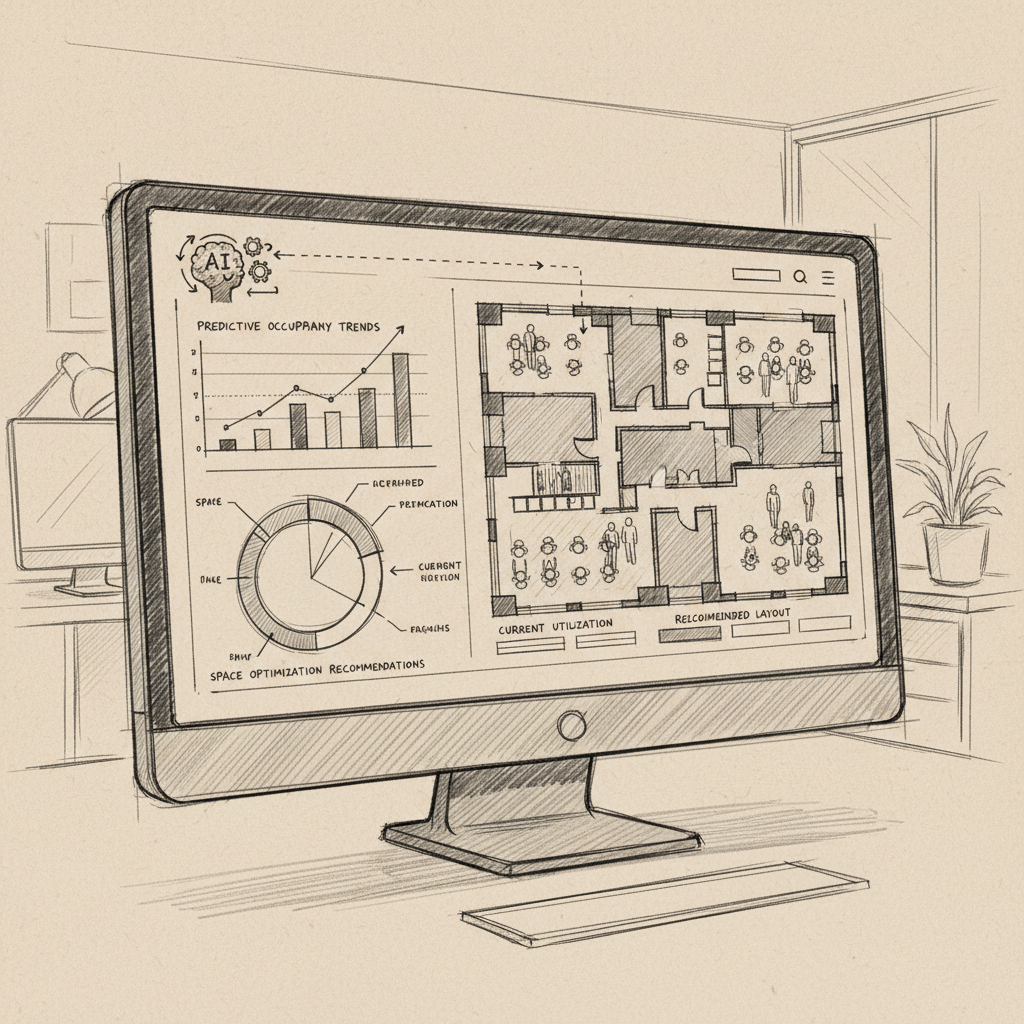
The corporate real estate landscape is experiencing unprecedented transformation as organizations seek smarter ways to manage their physical workspace investments. Corporate real estate technology is revolutionizing how businesses approach property management, space utilization, and employee experience through artificial intelligence, IoT sensors, and predictive analytics. This comprehensive guide explores the latest technological innovations reshaping corporate real estate strategies and their impact on organizational efficiency.
Modern digital solutions optimize property management, space utilization, and workplace operations through data-driven insights and automation. These platforms integrate artificial intelligence, Internet of Things sensors, and advanced analytics to transform traditional real estate management into strategic business intelligence. Contemporary technology platforms enable organizations to reduce costs, improve employee satisfaction, and make informed decisions about their physical workspace investments.
What Is Corporate Real Estate Technology?
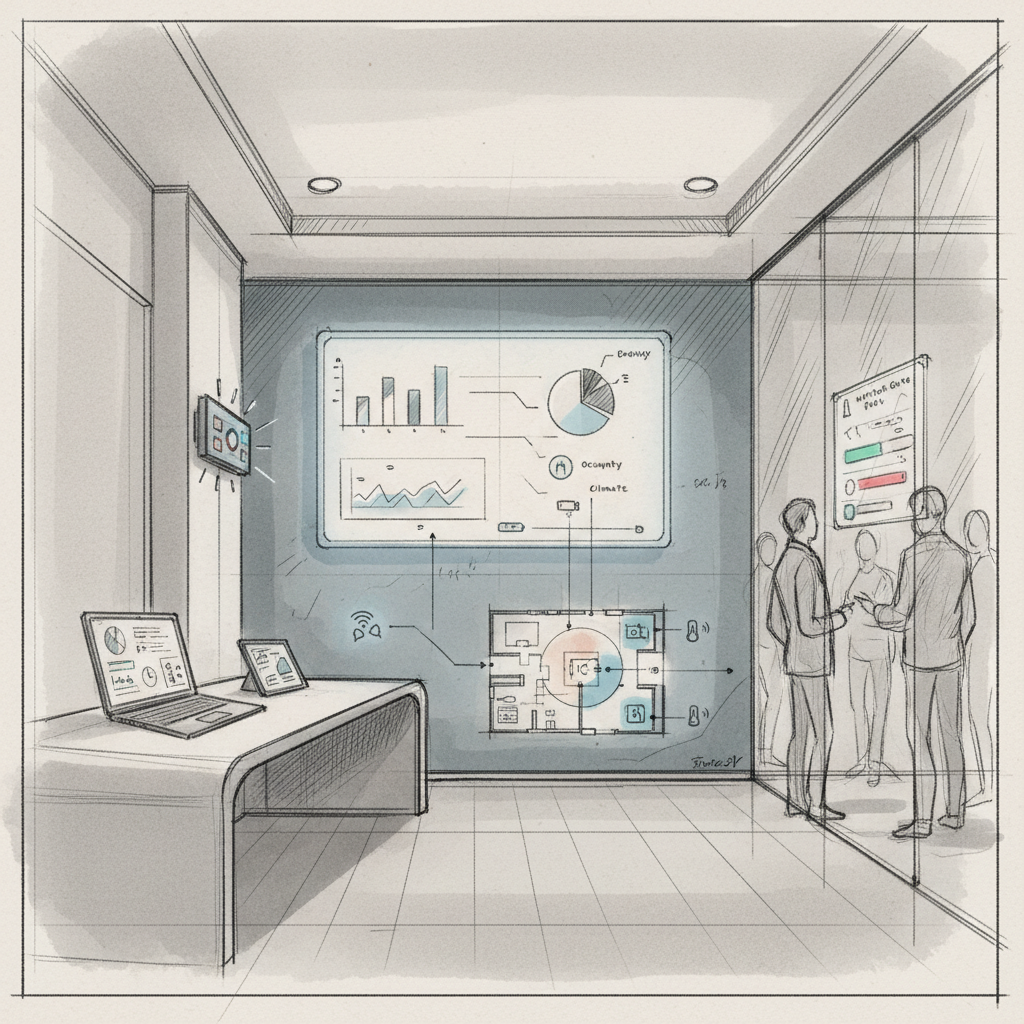
Corporate real estate technology represents the digital transformation of traditional property management practices into intelligent, data-driven systems. At its core, this technology category includes
workplace optimization platforms, space management software, IoT-enabled building systems, and AI-powered analytics tools that provide real-time insights into property performance and utilization patterns.
Core Components of Modern CRE Technology
The foundation of these digital solutions rests on several interconnected components that work together to create comprehensive workplace intelligence:
- Space Management Platforms: Software solutions that track desk bookings, meeting room usage, and overall space utilization through integrated sensors and booking systems
- IoT Sensor Networks: Physical devices that monitor occupancy, environmental conditions, and equipment performance throughout corporate facilities
- AI-Powered Analytics: Machine learning algorithms that process occupancy data to predict future space needs and optimize resource allocation
- Mobile Applications: Employee-facing tools that enable desk booking, wayfinding, and facility service requests through smartphone interfaces
- Integration APIs: Technical frameworks that connect real estate technology with existing HR, finance, and facility management systems
According to research from MIT's Executive Education program, proptech empowers executives to enhance the user experience, improve energy efficiency, and ensure spaces meet both current and future needs [1]. This technological evolution addresses the fundamental challenge of optimizing expensive real estate assets while supporting evolving workforce expectations.
The Evolution from Traditional to Smart Real Estate Management
Traditional property management relied heavily on manual processes, periodic surveys, and reactive maintenance approaches. The shift toward intelligent digital solutions represents a fundamental change in how organizations understand and optimize their physical workspace investments.
Pro Tip: Start your implementation with occupancy sensors in high-traffic areas. This provides immediate data insights while building organizational confidence in technology-driven space management decisions.
Modern systems provide continuous monitoring, predictive maintenance capabilities, and real-time optimization recommendations that transform static office spaces into dynamic, responsive environments. As noted by the World Economic Forum, 90% of real estate companies are testing AI solutions as of 2026, indicating widespread industry adoption of these technological innovations [2].
How Corporate Real Estate Technology Works
These advanced platforms operate through interconnected systems that collect, process, and analyze data from multiple sources to provide actionable insights about workspace utilization and performance. The technology stack typically includes hardware sensors, cloud-based analytics platforms, and user interfaces that work together to create comprehensive workplace intelligence.
Data Collection and Processing Architecture
The foundation of effective digital solutions lies in robust data collection mechanisms that capture real-time information about space usage, environmental conditions, and employee behavior patterns:
- Sensor Deployment: IoT devices installed throughout office spaces monitor occupancy, temperature, lighting, and air quality conditions
- Data Aggregation: Information from multiple sensors feeds into centralized cloud platforms that standardize and organize incoming data streams
- Analytics Processing: Machine learning algorithms analyze historical and real-time data to identify patterns, predict future needs, and generate optimization recommendations
- Dashboard Visualization: Processed insights are presented through intuitive interfaces that enable facility managers and executives to make informed decisions
AI-Powered Workplace Optimization
Advanced platforms leverage artificial intelligence to transform raw occupancy data into strategic business intelligence. These systems can predict space utilization patterns with remarkable accuracy, enabling organizations to optimize their real estate portfolios proactively.
At Upflex, our UnifyAI technology delivers 97% attendance forecast accuracy by analyzing historical usage patterns, calendar data, and external factors that influence workplace attendance. This level of precision enables organizations to achieve 88% co-attendance rates while reducing real estate spend by over 40%.
The Georgetown University Real Estate program emphasizes that technology enhances operational efficiency, improves decision-making, and enriches tenant experiences through data-driven insights [3]. This comprehensive approach to workplace intelligence represents a significant advancement over traditional space management methodologies.
Integration with Existing Business Systems
Successful implementation requires seamless integration with existing organizational infrastructure. Modern platforms connect with human resources information systems, financial management software, and facility maintenance platforms to create unified workplace management ecosystems.
| Integration Type |
Data Exchange |
Business Impact |
| HR Systems |
Employee headcount, team structures, work schedules |
Accurate space planning and desk allocation |
| Financial Platforms |
Real estate costs, budget allocations, ROI metrics |
Cost optimization and investment justification |
| Facility Management |
Maintenance schedules, service requests, asset tracking |
Predictive maintenance and operational efficiency |
| Calendar Systems |
Meeting schedules, room bookings, attendance patterns |
Space utilization optimization and conflict resolution |
Key Benefits of Corporate Real Estate Technology in 2026
These digital solutions deliver measurable value across multiple organizational dimensions, from cost reduction and operational efficiency to employee satisfaction and strategic decision-making capabilities. Organizations implementing comprehensive technology solutions report significant improvements in both financial performance and workplace experience metrics.
Cost Optimization and Financial Performance
The most immediate and quantifiable benefit lies in the ability to optimize real estate expenses through data-driven space utilization insights. Organizations can identify underutilized areas, consolidate office footprints, and negotiate more favorable lease terms based on actual usage data rather than estimates.
- Real Estate Footprint Reduction: Data-driven insights enable organizations to reduce office space by 20-40% without impacting employee productivity or satisfaction
- Utility Cost Savings: Smart building systems automatically adjust lighting, heating, and cooling based on occupancy patterns, reducing energy consumption by 15-25%
- Maintenance Cost Optimization: Predictive maintenance capabilities reduce emergency repairs and extend asset lifecycles through proactive intervention strategies
- Lease Negotiation Leverage: Detailed utilization data provides concrete evidence for renegotiating lease terms or exploring alternative space arrangements
According to JPMorgan's analysis of property technology trends, these solutions help real estate owners and operators enhance digital marketing, streamline operations, and improve renter retention [4]. The financial impact extends beyond direct cost savings to include improved asset performance and strategic positioning.
Enhanced Employee Experience and Productivity
Modern platforms prioritize employee experience by creating more responsive, personalized workplace environments that adapt to individual and team needs. This focus on user experience drives both satisfaction and productivity improvements.
Pro Tip: Implement mobile wayfinding and desk booking features first, as these provide immediate value to employees while generating valuable usage data for facility optimization decisions.
The technology enables seamless desk booking, intelligent meeting room allocation, and personalized environmental controls that create more comfortable and efficient work environments. Research indicates that employees in technology-enabled workspaces report 25% higher satisfaction rates and demonstrate improved collaboration patterns.
Strategic Decision-Making Capabilities
These platforms transform facility management from reactive maintenance to proactive strategic planning. Real-time data and predictive analytics enable executives to make informed decisions about space investments, portfolio optimization, and future workplace strategies.
The
What Is Lead Generation For Corporate Trainers approach to data-driven decision making parallels how these solutions enable evidence-based space planning and resource allocation strategies.
Organizations can model different scenarios, assess the impact of hybrid work policies, and optimize their real estate portfolios based on actual usage patterns rather than assumptions. This strategic capability becomes increasingly valuable as workplace expectations continue evolving in 2026.
Common Challenges and Implementation Mistakes
Implementation often encounters predictable obstacles that can undermine project success and organizational adoption. Understanding these common pitfalls enables organizations to develop more effective deployment strategies and avoid costly mistakes that delay value realization.
Technology Integration and Data Quality Issues
One of the most significant challenges organizations face involves integrating new platforms with existing business systems and ensuring data quality across multiple sources. Poor integration planning can result in data silos, inconsistent reporting, and limited functionality.
- Legacy System Compatibility: Older building management systems may lack modern APIs, requiring custom integration work or system upgrades
- Data Standardization Problems: Different systems may use incompatible data formats, leading to inconsistent metrics and reporting challenges
- Sensor Calibration Issues: Improperly calibrated IoT devices can provide inaccurate occupancy data, undermining confidence in technology-driven insights
- Network Infrastructure Limitations: Insufficient Wi-Fi coverage or bandwidth can prevent reliable sensor communication and data transmission
The Center for Real Estate Technology & Innovation emphasizes the importance of comprehensive planning and testing phases to address these technical challenges before full deployment [5]. Organizations should conduct thorough infrastructure assessments and pilot programs to identify potential integration issues early in the implementation process.
Change Management and User Adoption Barriers
Technology implementation success depends heavily on user adoption rates and organizational change management effectiveness. Even the most sophisticated platforms fail to deliver value when employees resist using new systems or when implementation lacks proper training and support.
Privacy and Security Concerns
These solutions involve collecting detailed data about employee movements, work patterns, and space usage, raising legitimate privacy and security concerns that must be addressed through comprehensive policies and technical safeguards.
Pro Tip: Establish clear data privacy policies and communicate them transparently to employees before implementing occupancy tracking technology. Trust and transparency are essential for successful adoption.
Organizations must balance the benefits of detailed workplace analytics with employee privacy expectations and regulatory compliance requirements. This includes implementing data anonymization techniques, establishing clear usage policies, and ensuring compliance with relevant privacy regulations.
According to industry analysis from Built In, successful implementation requires careful attention to data governance, user privacy, and security protocols [6]. Organizations that proactively address these concerns typically achieve higher adoption rates and better long-term outcomes.
Best Practices for Corporate Real Estate Technology Implementation
Successful deployment requires strategic planning, phased implementation, and continuous optimization based on user feedback and performance metrics. Organizations that follow proven best practices achieve faster time-to-value and higher adoption rates while minimizing implementation risks and costs.
Strategic Planning and Stakeholder Alignment
Effective implementation begins with comprehensive planning that aligns technology capabilities with organizational objectives and secures stakeholder buy-in across departments. This foundation ensures that technology investments support broader business goals rather than creating isolated solutions.
- Conduct Comprehensive Needs Assessment: Evaluate current space utilization patterns, identify pain points, and establish baseline metrics for measuring improvement
- Define Clear Success Metrics: Establish quantifiable goals for cost reduction, space optimization, and employee satisfaction that guide implementation decisions
- Secure Executive Sponsorship: Ensure leadership commitment and resource allocation for successful technology deployment and change management
- Engage Cross-Functional Teams: Include representatives from facilities, IT, HR, and finance in planning discussions to address diverse requirements and concerns
Phased Implementation Approach
Organizations achieve better outcomes by implementing solutions in phases rather than attempting comprehensive deployment simultaneously. This approach enables learning, refinement, and confidence building throughout the implementation process.
| Implementation Phase |
Timeline |
Key Activities |
Success Metrics |
| Pilot Program |
2-3 months |
Deploy sensors in select areas, test core functionality |
Data accuracy, user adoption rates |
| Core Deployment |
6-9 months |
Expand to primary facilities, integrate key systems |
Space utilization improvements, cost savings |
| Advanced Features |
12-18 months |
Implement AI analytics, predictive capabilities |
Forecast accuracy, strategic insights |
| Optimization |
Ongoing |
Continuous improvement, feature expansion |
ROI achievement, user satisfaction |
Research from JLL Spark indicates that technological innovation in management focuses on managing portfolios and workplaces more dynamically through data-driven approaches [7]. This phased methodology aligns with industry best practices for technology adoption in complex organizational environments.
Data Governance and Privacy Framework
Establishing robust data governance practices ensures that implementation maintains employee trust while delivering valuable business insights. This framework should address data collection, storage, usage, and sharing policies comprehensively.
Pro Tip: Implement data anonymization at the sensor level to protect individual privacy while maintaining the analytical value of occupancy and utilization data for space optimization decisions.
Organizations should develop clear policies regarding data retention, access controls, and usage limitations while ensuring compliance with relevant privacy regulations. Transparency about data collection and usage builds employee confidence and supports higher adoption rates.
Continuous Optimization and Performance Monitoring
Successful implementation requires ongoing monitoring, analysis, and optimization to maximize value and adapt to changing organizational needs. This includes regular performance reviews, user feedback collection, and system refinement based on actual usage patterns.
The Real Estate Technology & Transformation Center emphasizes the importance of responsible investment and deployment of cutting-edge real estate technologies [8]. This approach ensures that technology implementations deliver sustained value while supporting evolving workplace requirements.
Frequently Asked Questions
1. What is the typical ROI timeline for corporate real estate technology investments?
Understanding corporate real estate technology is essential. Understanding this approach is essential. Most organizations see initial ROI within 12-18 months through reduced real estate costs and operational efficiencies. Comprehensive implementations typically achieve 20-40% cost savings within the first two years, with continued optimization delivering additional value over time.
2. How do these platforms handle employee privacy concerns?
Modern platforms use anonymized data collection and aggregated analytics to protect individual privacy while providing valuable insights. Organizations should implement clear data governance policies and communicate transparently about data usage to build employee trust and compliance.
3. What are the essential features to look for in these platforms?
Key features include real-time occupancy monitoring, predictive analytics, mobile booking applications, integration capabilities, and comprehensive reporting dashboards. Advanced platforms also offer AI-powered optimization recommendations and automated space management capabilities.
4. How do these solutions support hybrid work models?
These platforms enable dynamic space allocation based on actual attendance patterns, support flexible desk booking systems, and provide insights for optimizing office layouts for hybrid teams. AI-powered forecasting helps organizations right-size their real estate portfolios for fluctuating occupancy levels.
5. What implementation challenges should organizations expect?
Common challenges include legacy system integration, change management, data quality issues, and network infrastructure requirements. Organizations should plan for comprehensive training, phased deployment, and ongoing technical support to address these challenges effectively.
6. How accurate are AI-powered occupancy predictions?
Advanced platforms can achieve 90-97% accuracy in attendance forecasting by analyzing historical patterns, calendar data, and external factors. This precision enables organizations to optimize space allocation and achieve significant cost savings through data-driven decision making.
7. What integration capabilities are essential for success?
Essential integrations include HR systems for employee data, calendar platforms for scheduling information, facility management systems for maintenance coordination, and financial software for cost tracking. API-based connectivity ensures seamless data flow across organizational systems.
Sources & References
- MIT Executive Education, "Proptech Innovations: How Technology is Shaping the Future of Real Estate", 2026
- World Economic Forum, "Why real estate's AI success depends more on people than technology", 2026
- Georgetown University, "Technological Innovations Shaping the Future of Commercial Real Estate", 2026
- JPMorgan, "Proptech: How Technology is Changing Commercial Real Estate", 2026
- Center for Real Estate Technology & Innovation, "Industry Standards and Best Practices", 2026
- Built In, "Real Estate Technology: Overview, Trends and 25 Companies", 2026
- JLL Spark, "The evolution of corporate real estate management", 2026
- Real Estate Technology & Transformation Center, "Technology Deployment Guidelines", 2026
Conclusion
Corporate real estate technology represents a fundamental shift in how organizations approach workspace optimization, cost management, and employee experience. As we move through 2026, the integration of AI-powered analytics, IoT sensors, and predictive capabilities has transformed traditional facility management into strategic business intelligence that drives measurable value across multiple organizational dimensions.
The evidence is clear: organizations implementing comprehensive solutions achieve significant cost reductions, improved space utilization, and enhanced employee satisfaction. With 90% of real estate companies now testing AI solutions and proven platforms delivering up to 97% forecast accuracy, the technology has matured beyond experimental phases into essential business infrastructure.
Success requires strategic planning, phased deployment, and continuous optimization based on actual usage patterns and organizational feedback. Organizations that prioritize data governance, user experience, and cross-functional collaboration achieve faster time-to-value and higher adoption rates while building sustainable competitive advantages in an increasingly dynamic workplace environment.
About the Author
Written by the SaaS experts at Upflex. Our team brings years of hands-on experience helping businesses with SaaS, delivering practical guidance grounded in real-world results.
Recommended Articles
Explore more from our content library: