The landscape of workplace technology trends is undergoing unprecedented transformation in 2026, driven by artificial intelligence, hybrid work evolution, and the urgent need for operational efficiency. Organizations worldwide are investing heavily in technologies that not only enhance productivity but also create more engaging, flexible work environments for their distributed teams.
This comprehensive analysis examines the most impactful workplace technology trends shaping business operations today. Our evaluation criteria focus on adoption rates, measurable business impact, scalability across different organization sizes, and long-term sustainability. These trends represent more than fleeting innovations—they're fundamental shifts in how we work, collaborate, and optimize physical and digital workspaces.
1. AI-Powered Workplace Orchestration: workplace technology trends
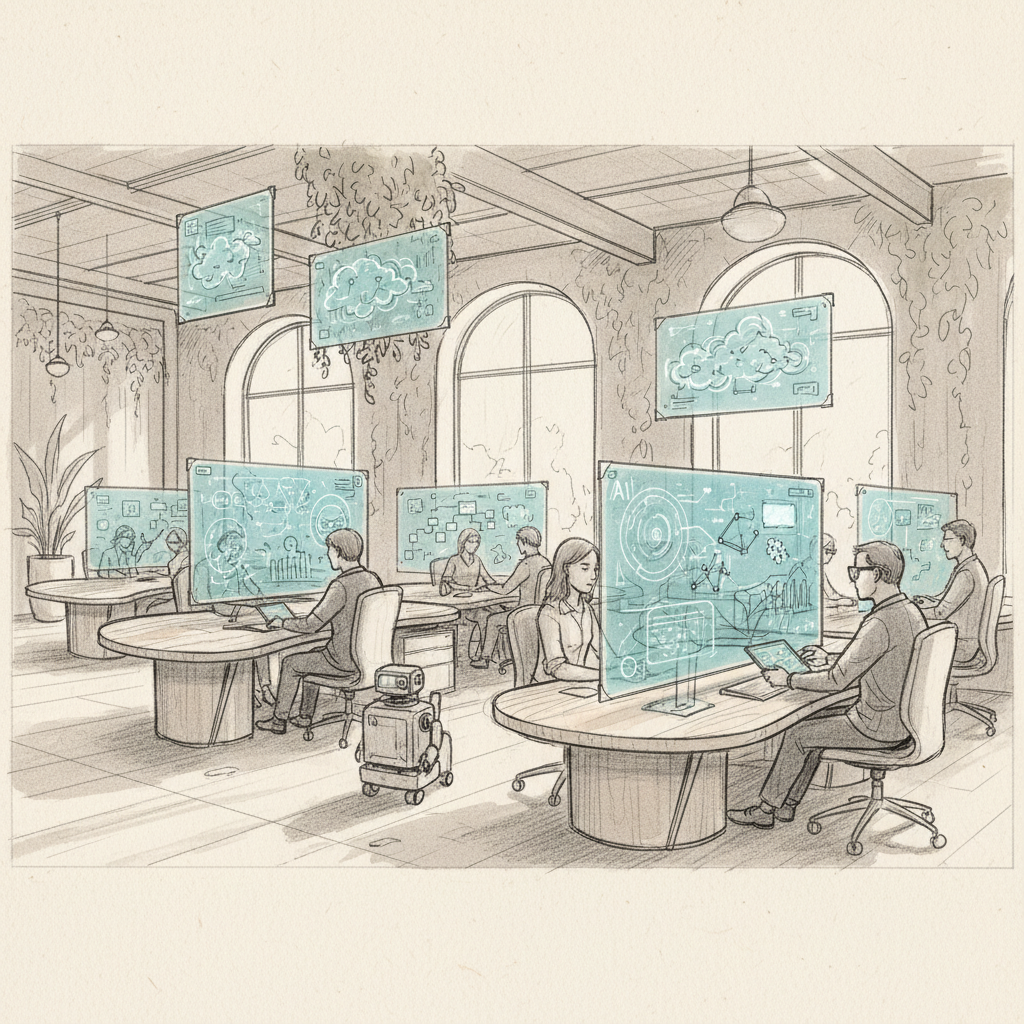
AI-powered workplace orchestration represents the most significant advancement in workplace technology trends for 2026, using machine learning algorithms to predict, coordinate, and optimize every aspect of office operations. This technology goes far beyond simple scheduling to create intelligent ecosystems that adapt to employee behavior patterns and business needs in real-time.
Predictive Analytics and Space Optimization
Modern AI orchestration platforms can forecast office attendance with remarkable accuracy, often exceeding 95% precision rates. These systems analyze historical data, calendar patterns, weather conditions, and even local events to predict daily space requirements. At Upflex, we've found that organizations using our UnifyAI technology achieve 97% attendance forecast accuracy, enabling them to optimize space utilization and reduce real estate costs by over 40%.
The technology extends beyond simple headcount predictions to understand collaboration patterns and team dynamics. For example, AI can identify when specific teams need to be co-located for important projects and automatically coordinate their office presence. This level of intelligent coordination was impossible with traditional booking systems.
Automated Resource Management
AI orchestration automates numerous workplace management tasks that previously required manual intervention:
- Dynamic desk and meeting room allocation based on predicted demand
- Intelligent climate control adjustments for occupied areas
- Automated catering orders based on attendance forecasts
- Predictive maintenance scheduling for office equipment
- Real-time space reallocation when plans change
Pro Tip: Start with attendance prediction as your foundation. Once you have reliable forecasting data, you can layer on additional AI-powered optimizations like resource allocation and environmental controls.
According to research from
Harvard Business Review, organizations implementing comprehensive AI workplace orchestration report 30-50% improvements in space utilization efficiency and significant reductions in operational overhead [1]. However, successful implementation requires careful change management, as employees need time to adapt to AI-driven workplace coordination.
2. Hybrid Work Technology Integration
Hybrid work technology integration has evolved from emergency remote work solutions into sophisticated platforms that seamlessly blend physical and digital work experiences. The focus in 2026 is on creating technology ecosystems that make location irrelevant to productivity and collaboration effectiveness.
Unified Communication and Collaboration Platforms
Today's hybrid work platforms go beyond video conferencing to create immersive, shared work environments. These solutions integrate multiple communication channels, project management tools, and digital workspaces into cohesive experiences. Microsoft's Work Trend Index research shows that 73% of workers expect their employers to provide tools that make hybrid work as effective as in-person collaboration [2].
Advanced features include persistent digital workrooms that maintain context between meetings, AI-powered meeting summaries that capture action items automatically, and spatial audio technology that recreates natural conversation dynamics. These platforms also incorporate biometric feedback to gauge meeting effectiveness and suggest optimal collaboration formats.
Smart Office Integration for Remote Workers
The most successful hybrid work implementations create seamless transitions between home and office environments:
- Cloud-based workstation profiles that instantly configure any desk
- Universal device compatibility ensuring consistent experiences
- Integrated security protocols that work across all locations
- Real-time collaboration tools with identical functionality everywhere
- Automated expense tracking for remote work costs
Organizations are also investing in home office technology stipends and standardized equipment packages to ensure remote workers have professional-grade setups. This investment typically pays for itself through reduced office space requirements and improved employee satisfaction scores.
Pro Tip: Implement technology standards that work identically in all environments. Employees shouldn't need to learn different systems for home versus office work.
3. Internet of Things (IoT) and Smart Building Systems
IoT and smart building systems are transforming workplace technology trends by creating responsive environments that adapt automatically to occupancy patterns, environmental conditions, and employee preferences. These interconnected systems generate valuable data while improving comfort, efficiency, and sustainability.
Environmental Automation and Energy Efficiency
Smart building systems use networks of sensors to monitor and adjust environmental conditions in real-time. Temperature, lighting, air quality, and noise levels are continuously optimized based on actual occupancy rather than predetermined schedules. This approach typically reduces energy consumption by 20-30% while improving employee comfort and productivity.
Modern IoT implementations include:
- Occupancy sensors that track space utilization patterns
- Air quality monitors that trigger ventilation adjustments
- Smart lighting systems that adapt to natural light conditions
- Noise level monitors that identify collaboration versus focus zones
- Security systems that integrate with access control and space booking
Data-Driven Space Optimization
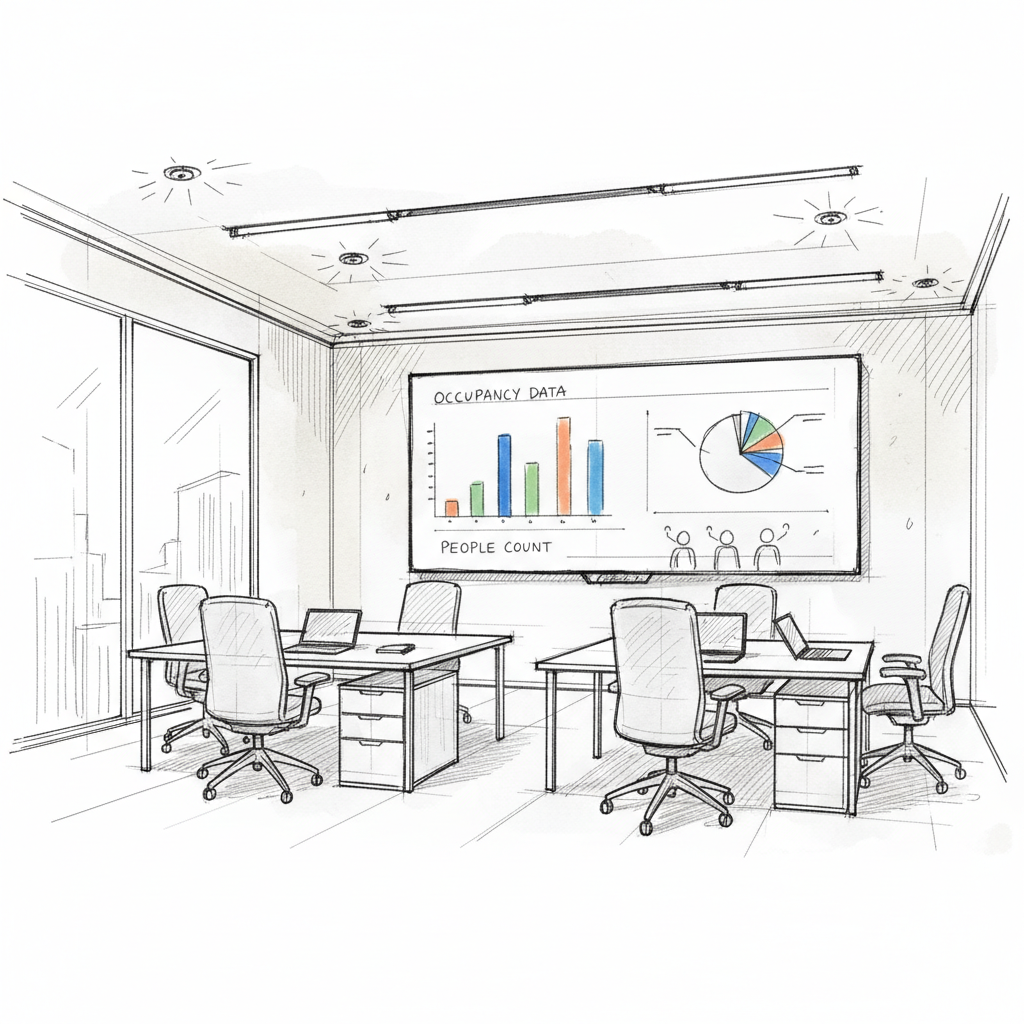
The data generated by IoT systems provides unprecedented insights into how employees actually use office spaces. This information helps organizations make evidence-based decisions about space design, furniture placement, and resource allocation. For example, heat mapping data might reveal that certain areas are consistently underutilized, enabling space reallocation or redesign.
| IoT System Type |
Primary Benefits |
Typical ROI Timeline |
| Smart HVAC |
25-30% energy savings, improved comfort |
12-18 months |
| Occupancy Sensors |
Space optimization, cleaning efficiency |
6-12 months |
| Smart Lighting |
40% lighting energy reduction |
8-15 months |
| Air Quality Systems |
Health improvements, productivity gains |
18-24 months |
Privacy concerns remain a significant consideration with IoT implementations. Organizations must balance data collection benefits with employee privacy expectations, often requiring transparent policies about what data is collected and how it's used.
4. Advanced Analytics and Workplace Intelligence
Advanced analytics and workplace intelligence represent a critical evolution in workplace technology trends, transforming raw operational data into actionable insights that drive strategic decision-making. These systems go beyond basic reporting to provide predictive analytics, behavioral insights, and optimization recommendations.
Real-Time Performance Monitoring
Modern workplace analytics platforms provide real-time visibility into space utilization, employee engagement, and operational efficiency. These systems aggregate data from multiple sources including badge access systems, calendar applications, environmental sensors, and collaboration platforms to create comprehensive workplace intelligence dashboards.
Key metrics tracked include space utilization rates, collaboration frequency, meeting effectiveness scores, and employee satisfaction indicators. This data helps facility managers and HR leaders make informed decisions about space allocation, policy changes, and technology investments. Organizations using advanced workplace analytics report 25-35% improvements in space efficiency and 20% increases in employee satisfaction scores [3].
Predictive Insights for Strategic Planning
The most valuable aspect of workplace intelligence is its predictive capability. Advanced analytics can forecast future space needs based on hiring plans, identify potential collaboration bottlenecks before they occur, and recommend optimal office layouts based on team interaction patterns.
Predictive analytics applications include:
- Forecasting space requirements for different growth scenarios
- Identifying optimal team placement for maximum collaboration
- Predicting equipment maintenance needs before failures occur
- Recommending policy changes based on usage patterns
- Optimizing cleaning schedules based on actual space usage
Forbes research indicates that organizations leveraging predictive workplace analytics achieve 40% better space utilization and reduce operational costs by an average of 25% [4]. The key is implementing systems that can process multiple data streams and provide actionable recommendations rather than just raw statistics.
Pro Tip: Start with clear questions about what you want to optimize before implementing analytics. Data without purpose leads to analysis paralysis rather than actionable insights.
5. Cloud-First Infrastructure and Security
Cloud-first infrastructure has become the foundation of workplace technology trends in 2026, enabling the flexibility, scalability, and security required for modern work environments. This approach prioritizes cloud-native solutions while maintaining robust security protocols that protect sensitive business data across all work locations.
Scalable Infrastructure Solutions
Cloud-first infrastructure provides organizations with the ability to scale technology resources dynamically based on actual demand rather than peak capacity planning. This approach is particularly valuable for hybrid work environments where usage patterns can vary significantly based on office attendance and project requirements.
Modern cloud infrastructure includes automated backup systems, global content delivery networks for consistent performance, and elastic computing resources that adjust automatically to workload demands. Organizations report 30-50% cost savings compared to traditional on-premises infrastructure while achieving better performance and reliability [5].
Zero-Trust Security Frameworks
Security in cloud-first environments requires zero-trust frameworks that verify every access request regardless of location or device. These systems assume no inherent trust and continuously validate user identity, device health, and access permissions.
Essential zero-trust components include:
- Multi-factor authentication for all system access
- Device compliance monitoring and automatic quarantine
- Continuous network monitoring and threat detection
- Encrypted data transmission and storage protocols
- Regular security audits and penetration testing
The UC Berkeley Labor Center emphasizes that organizations must balance security requirements with user experience to ensure employee adoption and productivity [6]. Overly complex security protocols can hinder productivity, while insufficient security exposes organizations to significant risks.
How to Choose the Right Workplace Technology Solutions
Selecting appropriate workplace technology requires a strategic approach that aligns with your organization's specific needs, culture, and growth objectives. The decision framework should prioritize solutions that integrate well with existing systems while providing clear measurable benefits.
Assessment and Planning Framework
Begin with a comprehensive assessment of your current workplace challenges and technology gaps. This evaluation should include employee surveys, space utilization studies, and technology audits to identify areas where improvements would have the greatest impact.
The planning process should follow these steps:
- Define specific business objectives and success metrics
- Assess current technology infrastructure and integration capabilities
- Evaluate vendor solutions against your requirements and budget
- Develop a phased implementation plan with clear milestones
- Create change management strategies for employee adoption
- Establish monitoring and optimization procedures for ongoing success
Integration and Scalability Considerations
The most successful workplace technology implementations prioritize solutions that integrate seamlessly with existing systems and can scale with organizational growth. Avoid point solutions that create data silos or require separate user interfaces.
Key evaluation criteria include API availability for custom integrations, vendor financial stability and product roadmap, security certifications and compliance capabilities, and total cost of ownership including implementation and ongoing support.
| Evaluation Factor |
High Priority |
Medium Priority |
Lower Priority |
| Integration Capability |
Native APIs, SSO support |
Third-party connectors |
Manual data export/import |
| Scalability |
Auto-scaling, global deployment |
Manual scaling options |
Fixed capacity limits |
| Security |
SOC 2, ISO 27001 certified |
Industry-standard encryption |
Basic security features |
| User Experience |
Intuitive interface, mobile app |
Web-based access |
Desktop-only application |
At Upflex, our experience with enterprise implementations shows that organizations achieve the best results when they start with pilot programs that demonstrate clear value before expanding to full deployment. This approach builds confidence and allows for refinement based on real-world usage patterns.
Sources & References
- Harvard Business Review, "9 Trends Shaping Work in 2026 and Beyond", 2026
- Microsoft, "Work Trend Index: Microsoft's latest research on the ways we work", 2026
- PRSA, "6 Workplace Trends Shaping 2026", 2026
- Forbes, "The Biggest Workplace Tech Trends In The Next 10 Years", 2024
- EBF, "Top IT trends for the modern workplace in 2026", 2026
- UC Berkeley Labor Center, "A Guide to Key Laws, Bills, and Concepts", 2026
- Gartner, "Future of Work Trends 2026: Strategic Insights for CHROs", 2026
- Envoy, "Workplace technology trends: predictions for 2030+", 2026
Frequently Asked Questions
1. What are the current digital trends in the workplace?
The most significant workplace technology trends in 2026 include AI-powered orchestration systems that predict and coordinate office operations, hybrid work platforms that seamlessly integrate remote and in-office experiences, and IoT-enabled smart buildings that automatically optimize environmental conditions. These technologies focus on improving productivity while reducing operational costs and enhancing employee satisfaction.
2. What jobs will no longer exist in 2030?
While automation will transform many roles, the focus is shifting toward job evolution rather than elimination. Traditional data entry, basic customer service, and routine administrative tasks are being automated, but this creates opportunities for workers to focus on higher-value activities like relationship management, strategic analysis, and creative problem-solving. Organizations are increasingly investing in reskilling programs to help employees transition to these enhanced roles.
3. What are the top 5 HR trends?
The top HR trends for 2026 include skills-based hiring that prioritizes capabilities over traditional qualifications, AI-assisted talent management for more objective decision-making, employee experience optimization through technology, flexible work arrangement policies that accommodate diverse needs, and data-driven performance management that provides real-time feedback and development opportunities.
4. How do AI-powered workplace systems impact employee privacy?
AI workplace systems collect data on space usage, collaboration patterns, and productivity metrics, which raises legitimate privacy concerns. Leading organizations implement transparent data policies, anonymize personal information, and focus on aggregate insights rather than individual monitoring. Employees should have clear understanding of what data is collected and how it's used to improve workplace experiences.
5. What's the ROI of implementing workplace technology trends?
Organizations typically see 20-40% reductions in real estate costs, 25-35% improvements in space utilization efficiency, and 15-25% increases in employee productivity within 12-18 months of implementation. However, ROI varies significantly based on organization size, technology selection, and implementation quality. The key is starting with clear metrics and phased rollouts that demonstrate value before full-scale deployment.
6. How can small businesses adopt workplace technology trends cost-effectively?
Small businesses should focus on cloud-based solutions that require minimal upfront investment and offer scalable pricing models. Start with basic space booking and communication tools, then gradually add analytics and automation features as the organization grows. Many workplace technology providers offer tiered pricing that makes advanced features accessible to smaller organizations.
7. What security considerations are most important for workplace technology?
Zero-trust security frameworks are essential, requiring multi-factor authentication, device compliance monitoring, and encrypted data transmission. Organizations should prioritize vendors with SOC 2 and ISO 27001 certifications, implement regular security audits, and ensure all workplace technology integrates with existing security infrastructure. Employee training on security best practices is equally important for maintaining system integrity.
The workplace technology trends shaping 2026 represent a fundamental shift toward intelligent, adaptive work environments that prioritize both efficiency and employee experience. From AI-powered orchestration systems that optimize space utilization to IoT-enabled smart buildings that respond automatically to occupancy patterns, these technologies are transforming how organizations operate and how employees interact with their work environments.
The most successful implementations focus on integration rather than isolated point solutions, ensuring that new technologies work seamlessly with existing systems while providing clear, measurable benefits. Organizations that embrace these workplace technology trends strategically position themselves for improved operational efficiency, reduced real estate costs, and enhanced employee satisfaction.
As these trends continue to evolve, the organizations that thrive will be those that view workplace technology as an integrated ecosystem rather than individual tools. The key is starting with clear objectives, implementing solutions that can scale with growth, and maintaining a focus on both business outcomes and employee experience throughout the transformation process.
About the Author
Written by the SaaS experts at Upflex. Our team brings years of hands-on experience helping businesses with SaaS, delivering practical guidance grounded in real-world results.
Recommended Articles
Explore more from our content library: