Modern organizations face mounting pressure to maximize their real estate investments while creating productive work environments. As hybrid work models reshape how we think about office space, understanding what is space optimization has become crucial for business success. Space optimization is the systematic process of analyzing, measuring, and improving how physical workspace is used to maximize efficiency, reduce costs, and enhance employee experience.
This comprehensive guide explores the fundamentals of space optimization, from core principles to implementation strategies. You'll learn how leading organizations are transforming underutilized areas into productive environments, the technologies driving these changes, and practical approaches for optimizing your own workspace in 2026.
What Is Space Optimization?
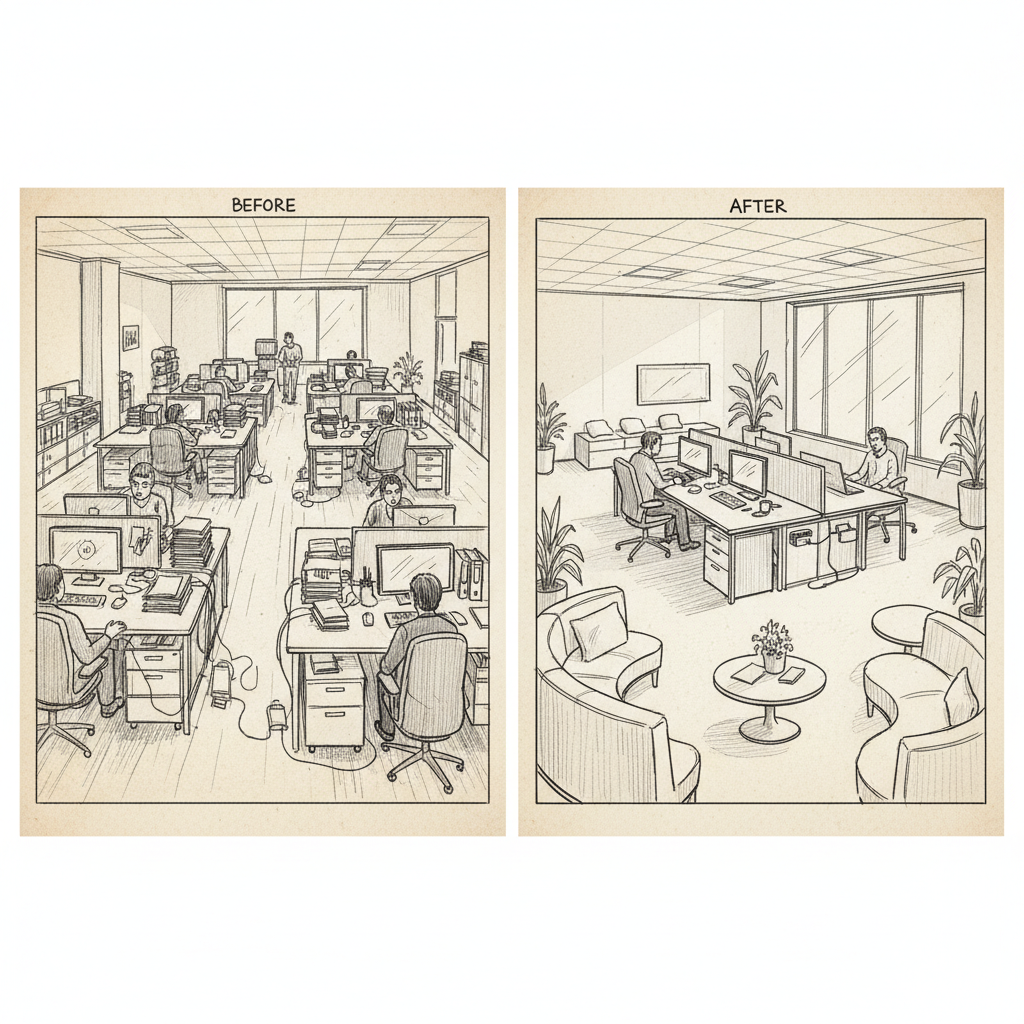
Space optimization is the strategic process of maximizing the efficiency and functionality of physical workspace through data-driven analysis and design improvements. It involves measuring how space is currently used, identifying inefficiencies, and implementing changes to better align physical resources with organizational needs and employee behaviors.
Core Components of Space Optimization
The practice encompasses several key elements that work together to create more effective work environments:
- Space utilization analysis: Measuring actual usage patterns versus allocated space
- Layout optimization: Redesigning floor plans to improve workflow and collaboration
- Technology integration: Using sensors and software to track occupancy and usage
- Flexible design: Creating adaptable spaces that serve multiple functions
- Cost reduction: Minimizing real estate expenses while maintaining productivity
According to research from the University of Colorado Boulder's Office of Space Optimization, organizations typically find that 30-40% of their allocated space remains underutilized during peak hours [1]. This presents significant opportunities for improvement through strategic optimization efforts.
Why Space Optimization Matters in 2026
The workplace landscape has fundamentally shifted since the pandemic, with hybrid work becoming the dominant model for many organizations. A 2026 study by WorkTech Academy found that companies implementing comprehensive space optimization strategies achieved average cost savings of 25-35% while improving employee satisfaction scores [2].
Pro Tip: Start your space optimization journey with a baseline measurement. You can't improve what you don't measure, so establish clear metrics for current space usage before implementing any changes.
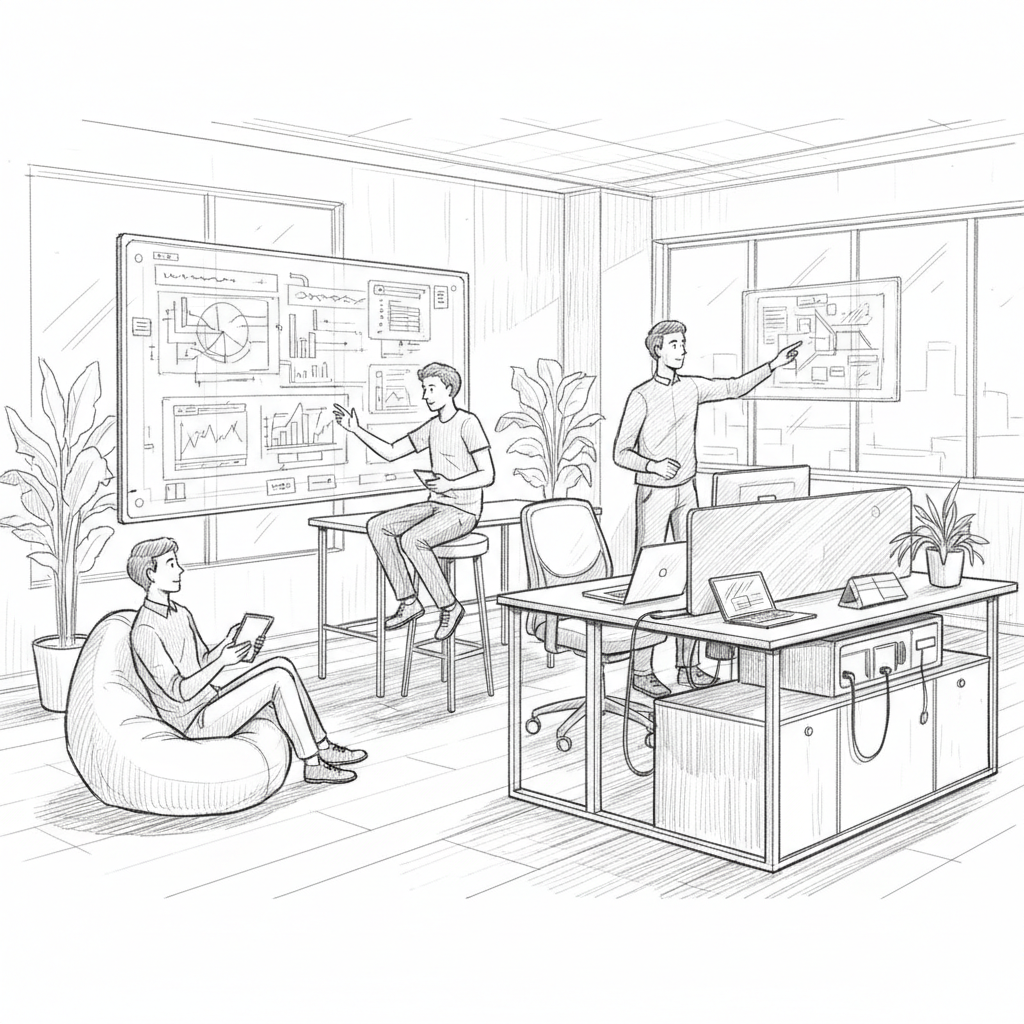
The shift toward activity-based working has made space optimization even more critical. Employees no longer need assigned desks for every task. Instead, they require different types of spaces for focused work, collaboration, meetings, and social interaction.
How Space Optimization Works
Space optimization operates through a systematic approach that combines data collection, analysis, and strategic implementation. The process typically begins with comprehensive space auditing and usage measurement to establish baseline performance metrics.
The Space Optimization Process
Organizations implementing successful space optimization programs follow a structured methodology:
- Current state assessment: Measure existing space usage patterns and identify pain points
- Data collection: Deploy sensors and tracking systems to gather occupancy data
- Analysis and modeling: Use analytics to understand usage trends and predict future needs
- Design and planning: Develop optimized layouts based on data insights
- Implementation: Execute changes in phases to minimize disruption
- Monitoring and adjustment: Continuously track performance and make refinements
Technology's Role in Modern Space Optimization
Advanced technologies have revolutionized how organizations approach space optimization. IoT sensors, occupancy analytics platforms, and AI-powered forecasting tools provide unprecedented visibility into space usage patterns.
At Upflex, we've found that organizations using AI-powered space optimization achieve 97% accuracy in attendance forecasting, enabling more precise space planning decisions. This level of precision allows companies to right-size their real estate portfolios while ensuring adequate space availability for employees.
| Technology Type |
Primary Function |
Key Benefits |
Implementation Complexity |
| Occupancy Sensors |
Real-time space usage tracking |
Accurate utilization data |
Low |
| Booking Systems |
Space reservation and management |
Improved space allocation |
Medium |
| AI Analytics Platforms |
Predictive space planning |
Proactive optimization |
High |
| Mobile Apps |
Employee space interaction |
Enhanced user experience |
Medium |
The integration of these technologies creates a comprehensive ecosystem that supports both immediate optimization decisions and long-term strategic planning.
Key Benefits of Space Optimization
Space optimization delivers measurable value across multiple dimensions, from direct cost savings to improved employee satisfaction and productivity. Organizations that implement comprehensive optimization strategies typically see results within the first quarter of deployment.
Financial Impact and Cost Reduction
The most immediate benefit of space optimization is significant cost reduction. Real estate represents one of the largest expense categories for most organizations, often accounting for 10-25% of total operating costs.
- Reduced real estate footprint: Eliminate underutilized areas and consolidate operations
- Lower facilities costs: Decrease utilities, maintenance, and cleaning expenses
- Optimized lease negotiations: Make informed decisions about space requirements
- Avoided expansion costs: Maximize existing space before considering additional real estate
Pennsylvania's state government reported saving $12 million annually through their comprehensive space optimization initiative, which reduced leased space by 15% while maintaining service quality [3]. These results demonstrate the substantial financial impact possible through systematic optimization efforts.
Enhanced Employee Experience and Productivity
Beyond cost savings, space optimization creates more functional and enjoyable work environments. When space aligns with how people actually work, productivity and satisfaction increase measurably.
Research from Cal Poly's Facilities Management department shows that optimized workspaces can improve employee productivity by 15-20% while reducing stress levels associated with poor space design [4]. Key improvements include:
- Better space variety: Providing appropriate spaces for different work activities
- Improved collaboration: Designing areas that facilitate teamwork and communication
- Reduced crowding: Eliminating overcrowded areas that create stress
- Enhanced amenities: Better utilization allows investment in higher-quality facilities
Pro Tip: Focus on creating a variety of space types rather than maximizing density. Employees need different environments for different tasks, and providing this variety often improves utilization more than cramming in additional desks.
Sustainability and Environmental Benefits
Space optimization contributes significantly to environmental sustainability goals. By maximizing the efficiency of existing space, organizations reduce their environmental footprint while supporting corporate sustainability initiatives.
Optimized spaces typically consume 20-30% less energy per employee due to improved layout efficiency and reduced total square footage requirements. This translates to lower carbon emissions and reduced environmental impact across the organization's real estate portfolio.
Common Challenges in Space Optimization
While space optimization offers substantial benefits, organizations often encounter predictable challenges during implementation. Understanding these potential pitfalls helps ensure successful optimization initiatives and avoid common mistakes that can derail projects.
Implementation Resistance and Change Management
One of the most significant challenges in space optimization is employee resistance to change. People develop strong attachments to their work environments, and modifications can create anxiety and pushback.
- Loss of assigned seating: Employees may resist giving up dedicated desks
- Workflow disruption: Changes can temporarily impact established routines
- Status concerns: Some view space changes as affecting their professional standing
- Technology adoption: New systems require learning and adaptation
Successful organizations address these concerns through comprehensive change management programs that include clear communication, training, and gradual implementation phases. According to the Society of American Military Engineers, projects with robust change management see 60% higher success rates than those without [5].
Data Quality and Measurement Challenges
Accurate space optimization requires high-quality data about current usage patterns. However, many organizations struggle with data collection and analysis, leading to suboptimal decisions.
Common data-related challenges include:
- Incomplete occupancy data: Gaps in measurement can skew optimization decisions
- Seasonal variations: Usage patterns may change throughout the year
- Technology limitations: Older buildings may lack infrastructure for advanced sensors
- Privacy concerns: Employees may worry about surveillance and monitoring
Organizations should invest in comprehensive measurement systems and establish clear data governance policies to address these challenges effectively.
Balancing Efficiency with Employee Needs
A common mistake in space optimization is prioritizing cost reduction over employee experience. While efficiency is important, creating spaces that are too cramped or lack necessary amenities can backfire by reducing productivity and increasing turnover.
Pro Tip: Always include employee feedback in your optimization planning. Regular surveys and focus groups help ensure that efficiency improvements don't come at the expense of workplace satisfaction and productivity.
The key is finding the right balance between space efficiency and employee needs. This requires ongoing monitoring and adjustment based on both utilization data and employee feedback.
Best Practices for Space Optimization in 2026
Successful space optimization requires a strategic approach that combines proven methodologies with emerging technologies. Organizations achieving the best results follow established best practices while adapting to evolving workplace trends and employee expectations.
Start with Comprehensive Data Collection
Before making any space changes, establish a robust measurement system that captures accurate usage patterns. This foundation ensures optimization decisions are based on evidence rather than assumptions.
- Deploy occupancy sensors: Install sensors throughout the workspace to track real-time usage
- Implement booking systems: Use reservation platforms to understand demand patterns
- Conduct employee surveys: Gather qualitative feedback about space preferences and pain points
- Analyze historical data: Review past usage trends to identify patterns and seasonal variations
Design for Flexibility and Adaptability
Modern workspaces must accommodate changing needs and work styles. Design spaces that can easily adapt to different functions and team sizes throughout the day.
Key flexibility principles include:
- Modular furniture: Use furniture that can be easily reconfigured for different purposes
- Multi-purpose areas: Design spaces that serve multiple functions effectively
- Technology infrastructure: Ensure adequate power, networking, and AV capabilities throughout
- Clear sight lines: Maintain visibility to help employees find and access available spaces
| Space Type |
Optimal Utilization Rate |
Key Design Features |
Technology Requirements |
| Focus Work Areas |
60-70% |
Acoustic privacy, ergonomic seating |
Power, network access |
| Collaboration Spaces |
40-50% |
Flexible furniture, writable surfaces |
AV equipment, booking systems |
| Meeting Rooms |
70-80% |
Right-sized for typical groups |
Video conferencing, scheduling displays |
| Social Areas |
30-40% |
Comfortable seating, food service |
WiFi, charging stations |
Implement Gradual, Phased Changes
Avoid disrupting operations by implementing space optimization in carefully planned phases. This approach allows for testing and refinement while minimizing employee disruption.
Our team at Upflex recommends a phased approach that starts with pilot areas, gathers feedback, and gradually expands successful changes throughout the organization. This methodology reduces risk while building employee confidence in the optimization process.
Leverage AI and Predictive Analytics
Advanced analytics capabilities enable proactive space management rather than reactive adjustments. AI-powered platforms can predict space needs, optimize layouts, and automate many routine space management tasks.
At Upflex, we've found that organizations using AI-powered space optimization achieve 40% greater cost savings compared to those relying on manual processes. The technology enables more precise forecasting and automated coordination that would be impossible to achieve manually.
Frequently Asked Questions
1. What is space optimization and why is it important for businesses?
Understanding what is space optimization is essential. Space optimization is the process of maximizing the efficiency and functionality of physical workspace through data-driven analysis and strategic design improvements. It's important because it can reduce real estate costs by 25-35% while improving employee productivity and satisfaction in modern hybrid work environments.
2. How do you measure space utilization effectively?
Effective space utilization measurement combines occupancy sensors, booking system data, and employee surveys. Key metrics include peak utilization rates, average occupancy throughout the day, and space type effectiveness. Most organizations find that comprehensive measurement reveals 30-40% underutilization in traditional office layouts. This is particularly relevant for what is space optimization.
3. What technologies are essential for modern space optimization?
Essential technologies include IoT occupancy sensors, space booking platforms, analytics dashboards, and mobile apps for employees. Advanced implementations also use AI-powered forecasting tools that can predict space needs with up to 97% accuracy, enabling more precise planning and resource allocation.
4. How long does it typically take to see results from space optimization?
Most organizations see initial results within 3-6 months of implementation, with full benefits realized within 12-18 months. Quick wins like improved space booking and basic layout changes can show immediate impact, while comprehensive optimization programs require longer timeframes for maximum effectiveness. When considering what is space optimization, this point stands out.
5. What are the biggest mistakes to avoid in space optimization projects?
Common mistakes include prioritizing cost reduction over employee experience, implementing changes without adequate data, and failing to involve employees in the planning process. Organizations should also avoid over-optimizing spaces to the point where they become uncomfortable or dysfunctional for daily work activities.
6. How does space optimization support hybrid work models?
Space optimization is crucial for hybrid work because it helps organizations right-size their office footprint based on actual attendance patterns rather than pre-pandemic assumptions. It enables flexible space allocation, improves booking systems for part-time office users, and creates more collaborative spaces for when teams do come together. For those exploring what is space optimization, this matters.
7. What ROI can organizations expect from space optimization initiatives?
Organizations typically achieve ROI within 12-24 months through reduced real estate costs, lower facilities expenses, and improved productivity. Financial benefits often include 15-40% reduction in space costs, 20-30% energy savings, and productivity improvements of 15-20% due to better workspace design and functionality.
Sources & References
- University of Colorado Boulder, "About | Office of Space Optimization", 2026
- WorkTech Academy, "Space optimisation: what is it and why is it important right now", 2026
- Pennsylvania Department of General Services, "Space Optimization and Utilization Project", 2026
- Cal Poly Facilities Management, "Space Optimization - Making Space for Student Success", 2026
- Society of American Military Engineers, "Developing a Space Planning and Optimization Program", 2026
Conclusion
Understanding what is space optimization has become essential for organizations navigating the evolving workplace landscape of 2026. As hybrid work models continue to reshape how we think about office space, the ability to maximize efficiency while maintaining employee satisfaction represents a critical competitive advantage.
The most successful space optimization initiatives combine comprehensive data collection, strategic design thinking, and advanced technology platforms. Organizations that implement these approaches typically achieve substantial cost savings while creating more functional and enjoyable work environments for their teams.
Space optimization isn't just about reducing real estate costs. It's about creating workspaces that truly support how people work today. By leveraging AI-powered analytics, flexible design principles, and employee-centered planning, organizations can transform their physical environments into strategic assets that drive both financial performance and workplace satisfaction.
About the Author
Written by the SaaS experts at Upflex. Our team brings years of hands-on experience helping businesses with SaaS, delivering practical guidance grounded in real-world results.
Recommended Articles
Explore more from our content library: