Share This Article
The Future of Workplace Management Software

September 3, 2025
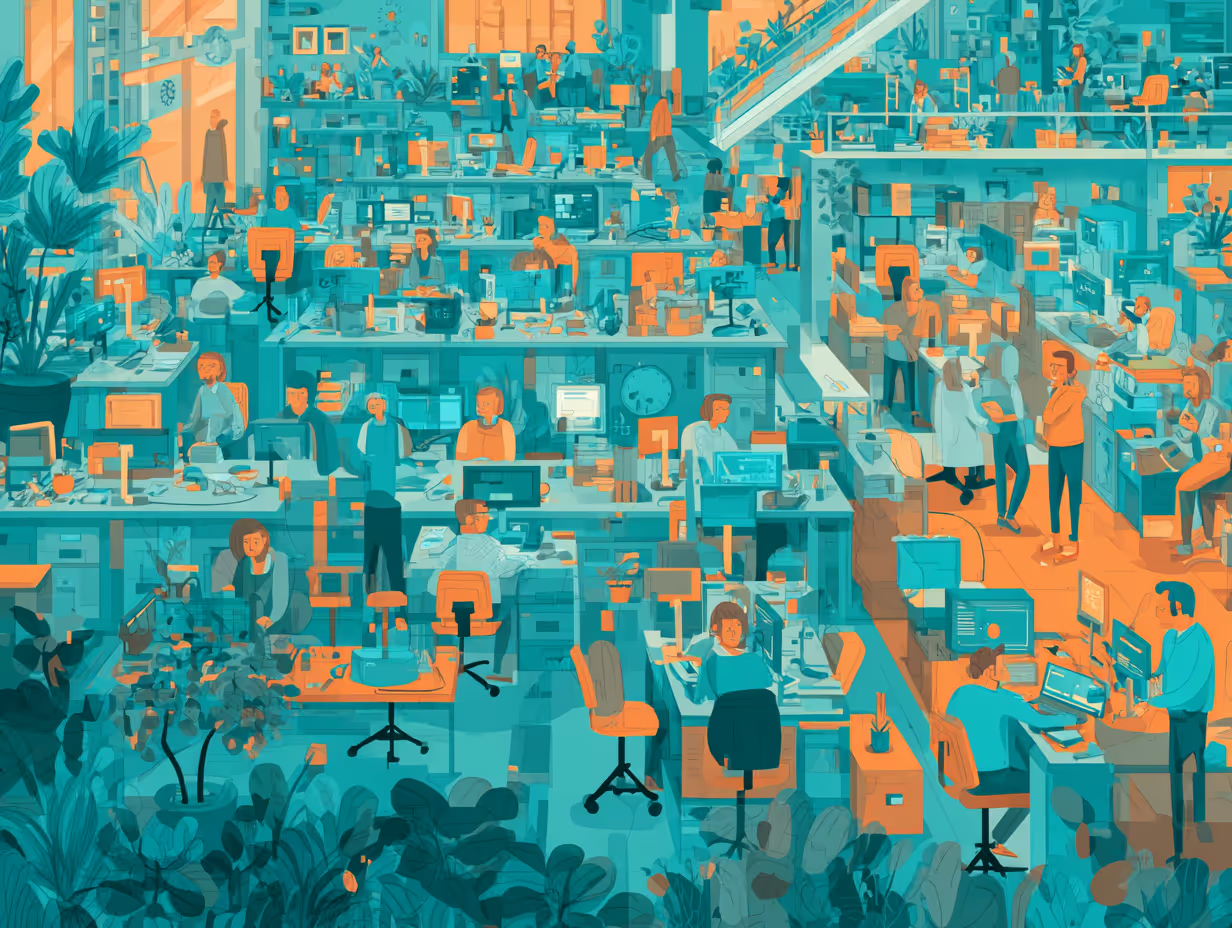
Workplace management software has transformed from a simple scheduling tool into a powerhouse of productivity, engagement, and wellness. As businesses navigate the complexities of hybrid work, digital transformation, and employee wellness, the software that supports these efforts is evolving at a breakneck pace. If you thought managing your team’s calendar was impressive, wait until you see what’s next.
By 2025, the global digital transformation market is projected to skyrocket to a staggering $3.8 trillion, growing at a compound annual growth rate (CAGR) of 23.1%. This explosive growth underscores the critical role workplace management software will play in shaping the future of work. For anyone curious about where this industry is headed, buckle up—there’s a lot to unpack. (Integrated Workplace Management Systems Statistics 2025)
Digital Transformation: The Backbone of Modern Workplace Management
Digital transformation isn’t just a buzzword—it’s the backbone of how companies manage their operations and workforce today. The rapid adoption of cloud computing, AI, and data analytics has enabled workplace management software to evolve from basic task tracking to comprehensive platforms that integrate everything from resource allocation to employee engagement.
One key driver of this transformation is predictive analytics. Companies that harness these tools see a 20-30% improvement in employee engagement, which directly impacts retention and productivity. Imagine a software that not only schedules your meetings but also predicts when your team might need a morale boost or additional support. That’s the power of predictive analytics in workplace management. (Emerging Technologies Revolutionizing Work Climate Management)
Moreover, with 65% of companies integrating employee monitoring tools into their operations, the line between oversight and support is becoming increasingly nuanced. These tools help managers understand work patterns and identify bottlenecks, but they also raise important questions about privacy and trust. The future of workplace software will likely balance these concerns by focusing on transparency and employee empowerment. (Insights from the Employee Monitoring Software Market Report)
In addition to predictive analytics, the integration of collaboration tools has transformed how teams interact and work together. Platforms that offer real-time communication, file sharing, and project management capabilities have become essential in fostering a collaborative environment. These tools not only streamline workflows but also enhance creativity and innovation by allowing team members to contribute ideas and feedback instantly, regardless of their location. As remote work continues to be a significant aspect of the modern workplace, the demand for such collaborative solutions is likely to grow, reshaping how organizations approach teamwork and project execution.
Furthermore, the rise of remote work has prompted companies to rethink their approach to employee well-being. Digital transformation is not solely about efficiency; it’s also about creating a supportive work culture. Many organizations are now investing in wellness platforms that provide resources for mental health, stress management, and work-life balance. These platforms often utilize AI to offer personalized recommendations and support, ensuring that employees have access to the tools they need to thrive in a digital-first environment. By prioritizing employee well-being alongside productivity, companies can cultivate a more engaged and resilient workforce, ready to tackle the challenges of tomorrow.
Gamification and Engagement: Making Work Fun (Yes, Really!)
Who said work can’t be fun? Gamification has emerged as a surprisingly effective strategy to boost employee engagement. A study by the University of Kansas found that incorporating game-like elements—such as points, badges, and leaderboards—can increase engagement by up to 60%. That’s not just a minor improvement; it’s a game changer (pun intended) for companies struggling to keep their teams motivated. (Trends in Employee Engagement Tools within Management Software Solutions)
Beyond just fun and games, these engagement tools foster a sense of achievement and healthy competition, which can translate into higher productivity and job satisfaction. When employees feel recognized and rewarded, they’re more likely to stick around and bring their best selves to work.
Additionally, digital platforms that promote collaboration have been shown to increase productivity by 20-25%. Combining gamification with collaborative tools creates a dynamic environment where employees not only work smarter but also enjoy the process. This dual approach is shaping the future of workplace management software as a hub for both efficiency and engagement. (Trends in Employee Engagement Tools within Management Software Solutions)
Moreover, gamification can be tailored to fit various organizational cultures and employee preferences. For instance, some companies may opt for a more competitive environment with leaderboards that highlight top performers, while others might choose a cooperative approach where teams earn rewards collectively. This flexibility allows organizations to create a personalized experience that resonates with their workforce, ultimately leading to greater buy-in and participation. By understanding the unique dynamics of their teams, employers can implement gamification strategies that not only align with their business goals but also enhance the overall workplace atmosphere.
Furthermore, the psychological principles behind gamification tap into intrinsic motivation, which is crucial for sustained engagement. Elements such as storytelling, challenges, and immediate feedback can create a more immersive experience for employees. When individuals feel they are part of a larger narrative and can see the impact of their contributions in real-time, it fosters a deeper connection to their work. This sense of purpose can be a powerful motivator, driving employees to not only meet but exceed their targets, thereby transforming the workplace into a thriving community of engaged and enthusiastic contributors.
Employee Wellness: The New Frontier in Workplace Software
Employee wellness has moved from a nice-to-have to a must-have in workplace management. The market for employee wellness software is booming, expected to grow from USD 2.5 billion in 2024 to USD 7.2 billion by 2033 at a CAGR of 15.2%. This growth reflects a broader recognition that employee health—both physical and mental—is integral to organizational success. (Employee Wellness Software Market Outlook 2024–2033)
Modern workplace management platforms are integrating wellness features such as stress monitoring, mental health resources, and personalized wellness plans. These tools not only help employees manage their well-being but also provide employers with insights to create healthier, more supportive work environments. By leveraging data analytics, organizations can identify trends and areas for improvement, tailoring their wellness initiatives to meet the specific needs of their workforce. This data-driven approach ensures that wellness programs are not just generic offerings, but rather customized solutions that resonate with employees on an individual level.
Interestingly, the rise of hybrid working models has further accelerated the need for wellness-focused software. A recent study showed that positive responses to hybrid work outweighed negative ones by a wide margin, highlighting improvements in work-life balance, productivity, and efficiency. Software that supports this flexibility while prioritizing wellness is becoming indispensable. (Software Companies Responses to Hybrid Working)
Moreover, the integration of wellness software into daily routines is fostering a culture of health that extends beyond the office. Features such as virtual fitness classes, mindfulness sessions, and nutrition tracking are empowering employees to take charge of their health in a holistic manner. Companies are increasingly recognizing that when employees feel supported in their wellness journeys, they are more likely to engage fully in their work, leading to higher morale and lower turnover rates. The emphasis on mental health resources, in particular, is a game changer, as it addresses the stigma surrounding mental health issues and encourages open conversations in the workplace.
As organizations continue to navigate the complexities of employee wellness, the role of technology becomes ever more crucial. Innovative solutions are emerging that not only facilitate wellness tracking but also encourage social connections among employees, fostering a sense of community even in remote settings. Features like peer support groups and wellness challenges can enhance camaraderie and motivate employees to participate actively in their health initiatives. This shift towards a more interconnected approach to wellness is not merely a trend; it represents a fundamental change in how companies view their responsibility towards employee health and well-being.
Collaboration and Productivity: Building Teams That Click
Collaboration tools have become the glue holding remote and hybrid teams together. Workplace management software now often includes chat functions, project management boards, and real-time document editing to keep everyone on the same page. The payoff? Organizations that promote collaboration through digital platforms can expect a 20-25% increase in productivity.
These tools also help break down silos, encourage knowledge sharing, and foster innovation. When employees can easily communicate and collaborate, projects move faster and solutions emerge more creatively. The future of workplace software will likely deepen this integration, making collaboration seamless regardless of geography.
However, with great collaboration comes the challenge of digital overload. The best software solutions will balance connectivity with focus time, helping employees avoid burnout while staying engaged. This balance is crucial as companies continue to embrace flexible work arrangements and increasingly complex workflows. (Trends in Employee Engagement Tools within Management Software Solutions)
Looking Ahead: What to Expect from Workplace Management Software
The future of workplace management software is bright, innovative, and employee-centric. Expect to see even more integration of AI-driven analytics, personalized engagement strategies, and wellness features that support holistic employee health. The market’s rapid expansion is a clear signal that these tools are becoming essential for businesses aiming to stay competitive and attract top talent.
As digital transformation accelerates, companies will increasingly rely on software that not only manages tasks but also understands and anticipates employee needs. This shift from reactive to proactive management will redefine workplace culture and productivity in profound ways.
So, whether you’re a manager looking to boost your team’s engagement or an employee hoping for a better work experience, the next generation of workplace management software promises to deliver smarter, more human-centered solutions. And who knows? Maybe work will finally feel a little less like work—and a bit more like a game worth playing.
For those interested in diving deeper into these trends, the Integrated Workplace Management Systems Statistics 2025 offers a treasure trove of insights into the market’s explosive growth and evolving capabilities.
Transform Your Team's Productivity with Upflex
Ready to harness the future of workplace management and elevate your team's performance? Book a demo with Upflex and discover how our Unify AI technology can revolutionize the way you manage your workforce. Experience firsthand how Upflex can make your team happier, more engaged, and incredibly productive, all while saving you time and money. Don't miss out on the smartest technology in office management—take the first step towards a more efficient and enjoyable work environment today.
Co-Founder & CEO