Managing a coworking space has evolved far beyond simply providing desks and Wi-Fi. As hybrid work becomes the dominant employment model in 2026, effective coworking space management requires sophisticated coordination of technology, community building, and operational excellence. The success of your workspace depends on how well you orchestrate these moving parts.
Workspace management is the comprehensive coordination of all operational, technological, and community aspects required to run a successful shared workspace. This includes member onboarding, space utilization optimization, billing systems, security protocols, and fostering collaborative environments. Modern workspace operations leverage AI-powered tools and data analytics to predict usage patterns, automate routine tasks, and enhance the member experience.
In this comprehensive guide, you'll discover the essential components of effective workspace operations, from understanding core principles to implementing best practices that drive member satisfaction and profitability. We'll explore the technology tools transforming the industry, common pitfalls to avoid, and proven strategies for scaling your operations successfully.
What Is Coworking Space Management?
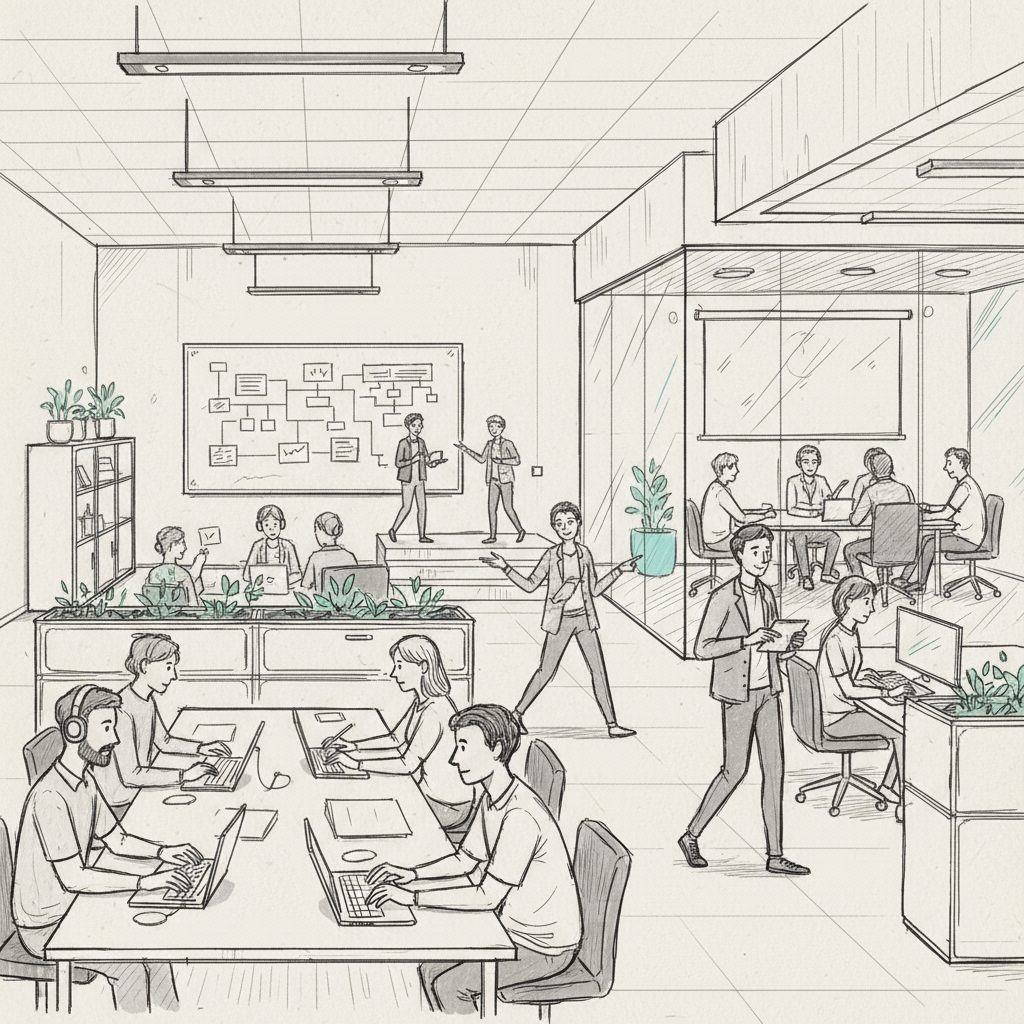
Coworking space management encompasses the systematic oversight and coordination of all aspects required to operate a successful shared workspace facility. This multifaceted discipline combines facility management, community building, technology integration, and business operations to create environments where diverse professionals can work productively together.
Core Components of Management Systems
The foundation of effective workspace operations rests on several interconnected pillars:
- Member lifecycle management: From initial inquiry through onboarding, ongoing support, and retention strategies
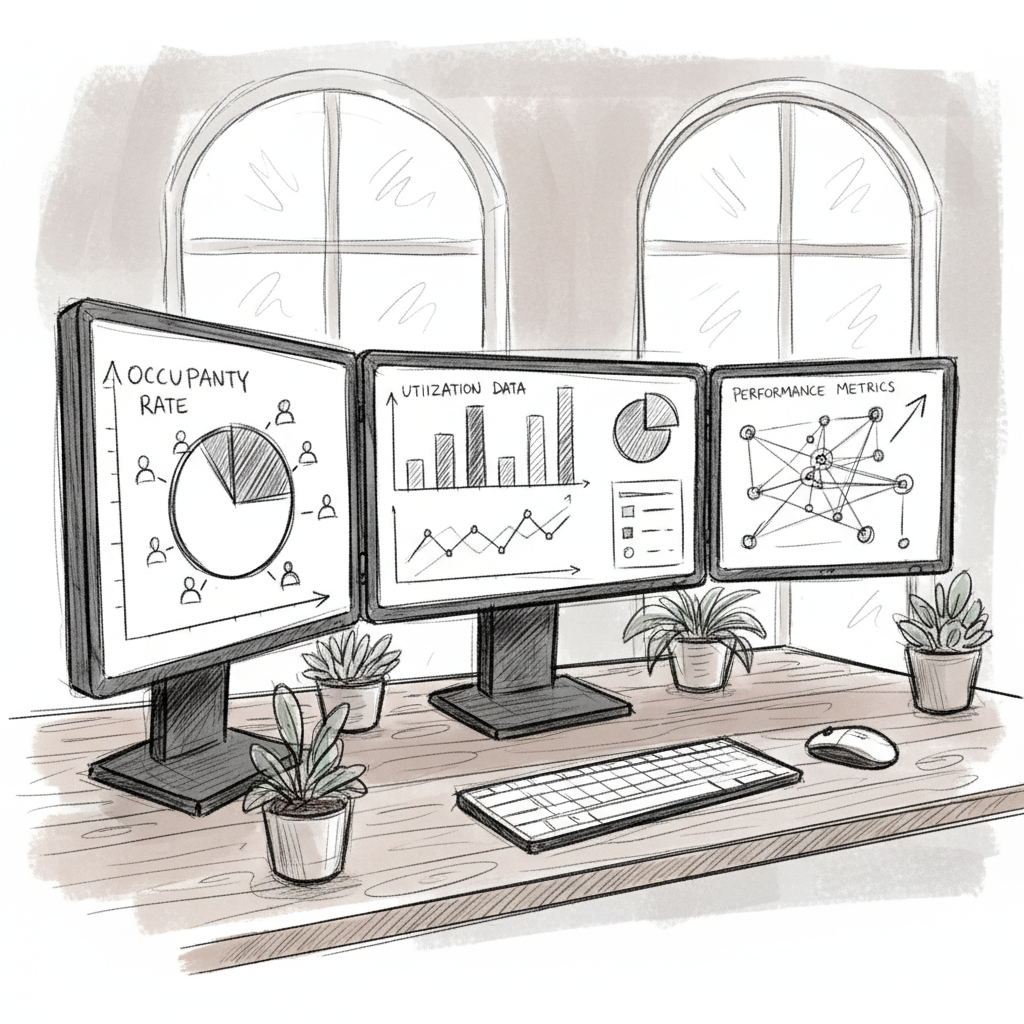
- Space utilization optimization: Monitoring occupancy patterns, desk allocation, and meeting room usage to maximize efficiency
- Technology infrastructure: Implementing booking systems, access controls, billing platforms, and communication tools
- Community development: Organizing networking events, facilitating collaboration, and maintaining a positive workspace culture
- Financial operations: Managing membership fees, billing cycles, vendor relationships, and profitability metrics
The Evolution of Workspace Management
Traditional office management focused primarily on maintaining physical spaces and basic amenities. However, workspace operations have evolved into a sophisticated discipline that prioritizes flexibility, community, and data-driven decision making. According to
GSA research on commercial coworking, successful coworking spaces in 2026 achieve 85-90% occupancy rates by leveraging predictive analytics and personalized member experiences [1].
Pro Tip: Focus on creating systems that scale with your growth. What works for 50 members may not support 500 members without significant adjustments to your management approach.
Why Management Excellence Matters
The difference between thriving and struggling coworking spaces often comes down to management effectiveness. Well-managed spaces report 40% higher member retention rates and 25% better profitability compared to those with basic operational approaches. This performance gap has widened as members' expectations have increased, demanding seamless digital experiences alongside premium physical environments.
How Coworking Space Management Works
Effective workspace operations operate through interconnected systems that automate routine tasks while maintaining the human touch that defines great workspace communities. The process involves continuous monitoring, adjustment, and optimization across multiple operational areas.
Daily Operations Framework
Successful workspace management follows a structured daily workflow that ensures consistent service delivery:
- Morning setup and safety checks: Verify all systems are operational, spaces are clean, and security protocols are active
- Member check-ins and support: Greet arriving members, assist with any immediate needs, and monitor space utilization
- Real-time adjustments: Respond to booking changes, technical issues, and member requests throughout the day
- Evening wrap-up: Secure the facility, update usage data, and prepare for the following day
Technology Integration Points
Modern workspace operations rely heavily on integrated technology platforms that streamline operations:
| System Component |
Primary Function |
Key Features |
| Access Control |
Member entry management |
Keycard systems, mobile apps, visitor tracking |
| Booking Platform |
Space reservations |
Desk booking, meeting rooms, event spaces |
| Billing System |
Financial management |
Automated invoicing, payment processing, reporting |
| Analytics Dashboard |
Performance monitoring |
Occupancy rates, revenue tracking, member behavior |
Member Experience Orchestration
The most successful coworking spaces create seamless member experiences through careful orchestration of touchpoints. This involves anticipating member needs, personalizing interactions, and continuously gathering feedback for improvement. At Upflex, we've found that spaces using AI-powered coordination achieve 88% co-attendance rates for team collaboration sessions [2].
Pro Tip: Implement a member feedback loop that captures insights weekly rather than quarterly. Quick adjustments based on real-time feedback prevent small issues from becoming major problems.
Data-Driven Decision Making
Effective workspace operations increasingly rely on data analytics to guide operational decisions. Key metrics include occupancy patterns, member satisfaction scores, revenue per square foot, and community engagement levels. This data informs everything from space layout adjustments to programming decisions and pricing strategies.
Key Benefits of Professional Coworking Space Management
Professional workspace operations deliver substantial advantages that extend far beyond basic facility operations, creating value for both operators and members through systematic optimization and strategic oversight.
Enhanced Member Satisfaction and Retention
Well-managed coworking spaces consistently achieve higher member satisfaction scores through proactive service delivery and community building. Professional management focuses on anticipating member needs rather than simply responding to complaints. This approach typically results in 60% higher retention rates compared to spaces with reactive management styles [3].
- Personalized member experiences: Tailored onboarding processes and customized service offerings based on individual preferences
- Proactive problem resolution: Identifying and addressing potential issues before they impact the member experience
- Community facilitation: Organizing networking events, skill-sharing sessions, and collaborative opportunities
- Consistent service quality: Standardized processes ensure reliable experiences across all member interactions
Operational Efficiency and Cost Optimization
Strategic workspace operations significantly improve operational efficiency while reducing unnecessary expenses. Professional operators leverage technology and data analytics to optimize resource allocation and streamline workflows.
Revenue Growth and Profitability
Effective management directly impacts financial performance through multiple revenue optimization strategies:
- Dynamic pricing models: Adjusting membership rates based on demand patterns and space utilization data
- Ancillary service development: Creating additional revenue streams through premium services and partnerships
- Space utilization maximization: Optimizing layout and booking systems to increase capacity without compromising member experience
- Operational cost reduction: Implementing energy-efficient systems and automated processes to reduce overhead expenses
Scalability and Growth Support
Professional workspace operations establish systems and processes that support sustainable growth. This includes developing standardized operating procedures, training programs, and technology infrastructure that can accommodate expansion without sacrificing service quality.
Research indicates that professionally managed coworking spaces achieve 35% faster expansion rates while maintaining consistent member satisfaction scores across multiple locations [4].
Common Challenges in Coworking Space Management
Managing a coworking space presents unique operational challenges that require strategic thinking and adaptive solutions. Understanding these common pitfalls helps operators develop proactive strategies for sustainable success.
Technology Integration Difficulties
One of the most frequent challenges involves implementing and maintaining integrated technology systems that work seamlessly together. Many operators struggle with disconnected platforms that create operational silos and member frustration.
- System compatibility issues: Different software platforms that don't communicate effectively, leading to data inconsistencies
- User adoption resistance: Members and staff who prefer manual processes over digital solutions
- Maintenance and updates: Keeping multiple technology platforms current and functioning properly
- Cost management: Balancing feature requirements with budget constraints for technology investments
Community Building and Member Engagement
Creating and maintaining a vibrant community requires consistent effort and strategic programming. Many spaces struggle to move beyond transactional relationships to build genuine member connections.
Capacity Planning and Space Utilization
Optimizing space utilization while maintaining member satisfaction presents ongoing challenges. Common issues include:
| Challenge |
Impact |
Common Solutions |
| Peak hour overcrowding |
Member dissatisfaction, booking conflicts |
Dynamic pricing, usage analytics, flexible layouts |
| Underutilized spaces |
Revenue loss, inefficient operations |
Space reconfiguration, new service offerings |
| Meeting room shortages |
Booking frustration, lost productivity |
Advanced booking systems, usage monitoring |
Financial Management Complexities
Workspace operations involve complex financial considerations including variable membership models, seasonal fluctuations, and operational cost management. A common mistake is underestimating the true cost of member acquisition and retention, leading to unsustainable pricing strategies.
Pro Tip: Implement a comprehensive financial dashboard that tracks both leading indicators (inquiries, tours) and lagging indicators (revenue, retention) to maintain healthy cash flow and growth trajectories.
Regulatory Compliance and Safety Management
Coworking spaces must navigate complex regulatory requirements including fire safety codes, accessibility standards, and local zoning regulations. Staying compliant while maintaining operational flexibility requires ongoing attention and professional expertise.
Best Practices for Effective Coworking Space Management in 2026
Implementing proven best practices ensures your coworking space operates efficiently while delivering exceptional member experiences that drive long-term success and sustainable growth.
Leverage AI-Powered Operational Intelligence
The most successful coworking spaces in 2026 utilize artificial intelligence to optimize operations and predict member needs. AI-powered systems can forecast space utilization with remarkable accuracy, enabling proactive management decisions.
- Predictive analytics for capacity planning: Use historical data and booking patterns to anticipate peak usage periods and adjust staffing accordingly
- Automated member communication: Implement chatbots and automated messaging systems for routine inquiries and booking confirmations
- Dynamic space optimization: Adjust layouts and configurations based on real-time usage data and member preferences
- Personalized member recommendations: Suggest optimal workspace locations and times based on individual work patterns and preferences
Implement Comprehensive Member Journey Mapping
Understanding and optimizing every touchpoint in the member experience creates opportunities for differentiation and retention improvement. Map out the complete journey from initial inquiry through long-term membership.
Establish Robust Performance Metrics
Successful workspace operations require consistent monitoring of key performance indicators that drive business outcomes:
| Metric Category |
Key Indicators |
Target Benchmarks (2026) |
| Occupancy |
Desk utilization, meeting room usage |
85-90% peak hours, 60-70% off-peak |
| Financial |
Revenue per member, profit margins |
$200-400/member/month, 25-35% margins |
| Member Experience |
Net Promoter Score, retention rate |
NPS >50, 80%+ annual retention |
| Community |
Event attendance, member interactions |
40%+ event participation, 3+ connections/member |
Develop Scalable Operational Systems
Create standardized processes and procedures that maintain quality while supporting growth. This includes developing comprehensive staff training programs, documented workflows, and quality assurance protocols.
Pro Tip: Document every process as if you're preparing to open a second location. This forces you to create systems that don't depend on institutional knowledge and can be replicated consistently.
Foster Strategic Technology Partnerships
Partner with technology providers who understand the coworking industry and can grow with your business. Look for platforms that offer API integrations, customization options, and dedicated support for coworking operators.
Our team at Upflex recommends focusing on platforms that provide unified data analytics across all operational areas, enabling comprehensive insights that drive strategic decision-making and operational optimization [5].
Frequently Asked Questions
1. How to manage a co-working space effectively?
Understanding coworking space management is essential. Effective workspace operations require integrated systems covering member onboarding, space booking, billing automation, and community programming. Focus on technology platforms that streamline operations while maintaining personal member relationships. Successful operators also implement data analytics to optimize space utilization and predict member needs proactively.
2. Why are coworking spaces failing in 2026?
Common failure factors include inadequate technology integration, poor community building, unsustainable pricing models, and insufficient operational systems. Many spaces also struggle with capacity planning, leading to either overcrowding during peak hours or underutilization that impacts profitability. Successful spaces invest in professional management systems and data-driven decision making.
3. What is a coworking manager responsible for?
A coworking manager oversees daily operations including member services, facility maintenance, community programming, and financial performance. They coordinate technology systems, handle member inquiries, organize events, monitor space utilization, and ensure consistent service delivery. Modern coworking managers also analyze usage data to optimize operations and drive business growth.
4. What software is best for coworking space management?
The best workspace management software integrates booking systems, billing automation, access control, and analytics in a unified platform. Popular solutions include Nexudus, Cobot, and Spacebring, each offering different strengths. Choose platforms that scale with your growth and provide API integrations for connecting additional tools as needed.
5. How much does coworking space management software cost?
Workspace management software typically costs $3-15 per member per month, depending on features and scale. Basic packages start around $100-300 monthly for small spaces, while enterprise solutions can reach $1,000+ monthly. Factor in setup costs, training time, and integration expenses when evaluating total cost of ownership.
6. How do you measure coworking space success?
Key success metrics include occupancy rates (target 85-90%), member retention (aim for 80%+ annually), revenue per square foot, and Net Promoter Scores above 50. Also track community engagement through event attendance, member referrals, and collaboration instances. Financial metrics should include profit margins of 25-35% and consistent month-over-month growth.
7. What are the biggest challenges in coworking space management?
Primary challenges include technology integration complexity, maintaining community culture at scale, optimizing space utilization during peak periods, and managing variable revenue streams. Operators also struggle with regulatory compliance, staff training consistency, and balancing automation with personalized service. Successful spaces address these through systematic planning and professional management practices.
Sources & References
- Coworking Resources, "2022 Best Coworking Space Management Software", 2022
- Archie, "10+ Best Coworking Space Software: In-Depth Review [2026]", 2026
- Nexudus, "What Is Space Management? A Guide for Workspace Teams", 2026
- UNC Facilities Services, "Optimizing Office Space", 2026
- Coworking Resources, "Apps, Tools and Technology for Coworking Spaces", 2026
Mastering coworking space management in 2026 requires a strategic blend of technology, community focus, and operational excellence. The most successful spaces leverage AI-powered tools to predict member needs, optimize space utilization, and automate routine tasks while maintaining the human connections that define great coworking communities.
The key to sustainable success lies in implementing scalable systems early, focusing on data-driven decision making, and continuously adapting to evolving member expectations. As the hybrid work model continues to reshape how people work, professional workspace operations become increasingly critical for creating environments where diverse professionals can thrive together.
Whether you're launching your first location or scaling an existing operation, investing in comprehensive management systems and best practices will position your coworking space for long-term success in an increasingly competitive marketplace. The spaces that prioritize professional management today will be the industry leaders of tomorrow.
About the Author
Written by the SaaS experts at Upflex. Our team brings years of hands-on experience helping businesses with SaaS, delivering practical guidance grounded in real-world results.
Recommended Articles
Explore more from our content library: