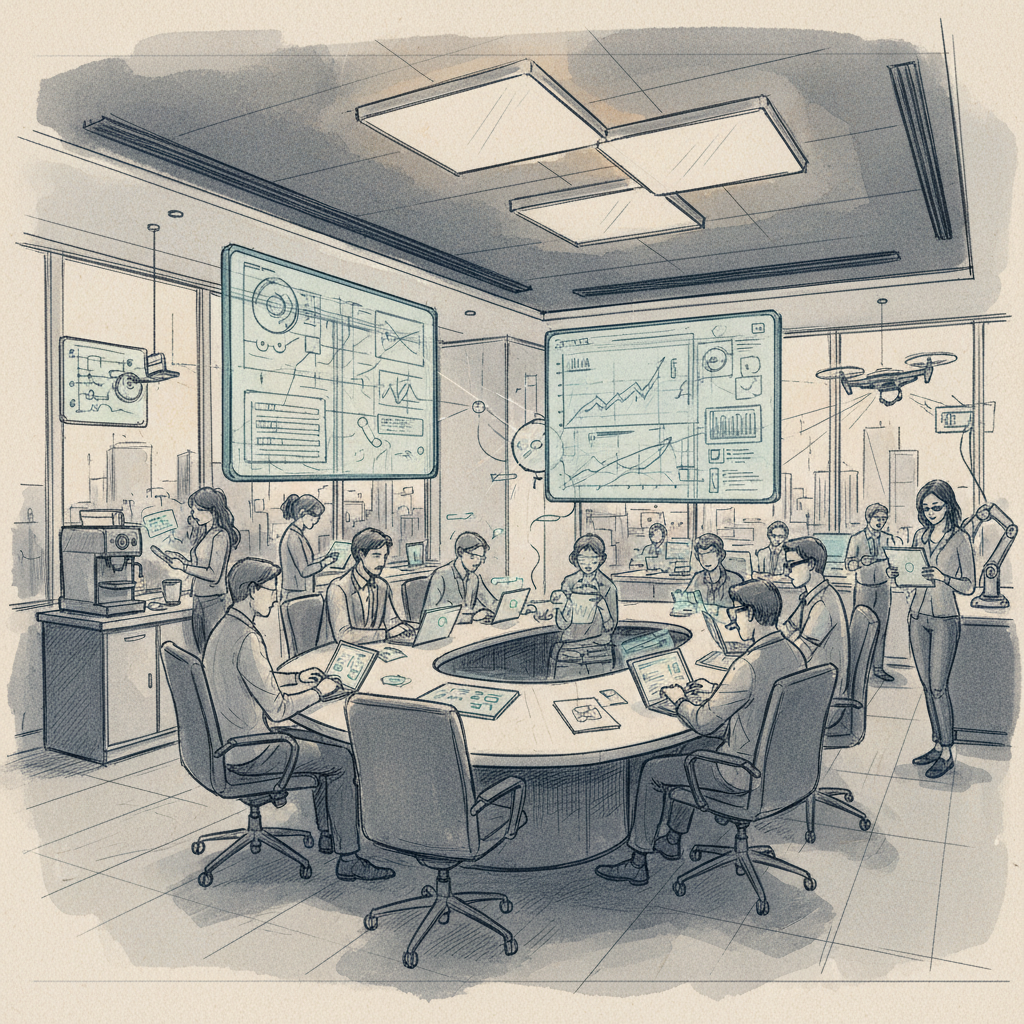
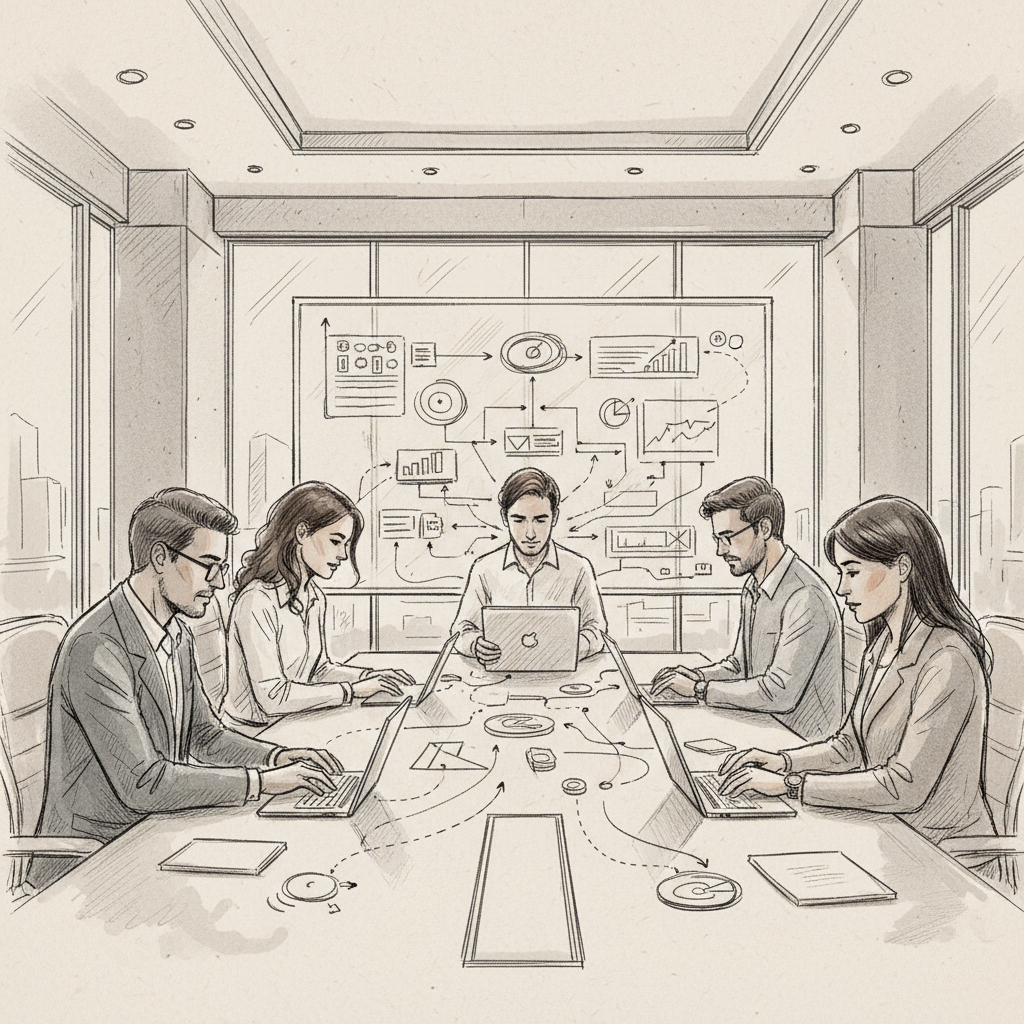
The modern workplace has evolved dramatically. Remote work, hybrid schedules, and flexible office arrangements have created unprecedented complexity in managing corporate real estate and workforce coordination. An office orchestration platform is a comprehensive software solution that integrates AI-powered automation with workspace management to coordinate all aspects of hybrid work operations seamlessly. These platforms combine space booking, attendance forecasting, and facility management into a unified system that optimizes both employee experience and real estate utilization.
As organizations grapple with optimizing their physical footprint while supporting distributed teams, these comprehensive workplace solutions have emerged as essential infrastructure. They don't just manage desk bookings; they predict attendance patterns, coordinate team collaboration, and automate facility operations to create truly intelligent workspaces.
What Is an Office Orchestration Platform?
An office orchestration platform is a unified technology solution that automates and coordinates all aspects of workplace operations through intelligent software systems. These platforms integrate multiple workplace functions including space management, employee scheduling, facility operations, and resource allocation into a single cohesive system that responds dynamically to changing workplace demands.
Core Components and Architecture
Modern workplace orchestration solutions typically consist of several integrated modules working together:
- AI-powered attendance forecasting that predicts office occupancy with up to 97% accuracy
- Dynamic space allocation systems that automatically assign and optimize workspace usage
- Integrated facility management covering HVAC, lighting, cleaning, and security coordination
- Employee experience interfaces including mobile apps for booking, navigation, and service requests
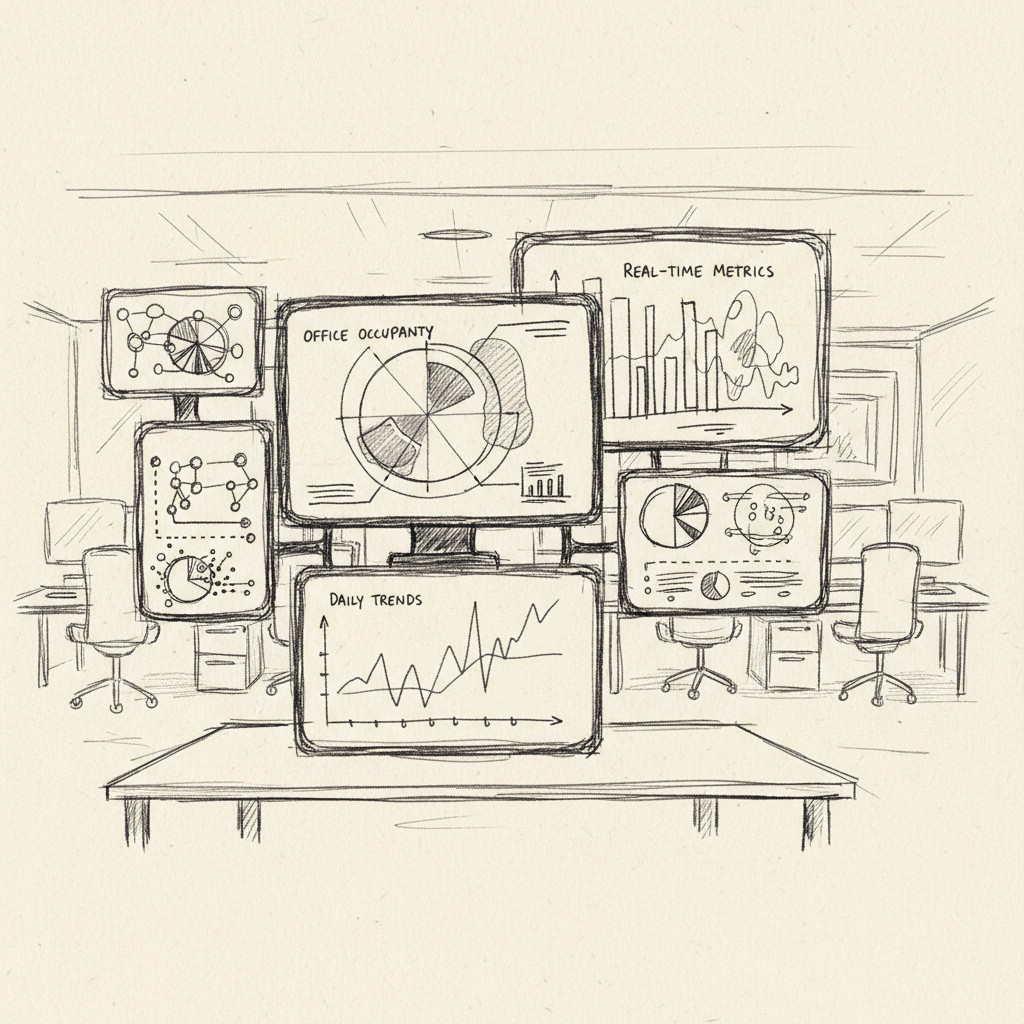
- Analytics dashboards providing real-time insights into space utilization and operational efficiency
The platform architecture typically follows a cloud-native approach, allowing for scalable deployment across multiple office locations. According to
Flyte's comprehensive analysis of AI orchestration platforms, leading solutions now incorporate machine learning algorithms that continuously improve predictions and automate routine decisions [1].
Integration Capabilities
What distinguishes comprehensive workplace solutions from simple booking systems is their ability to integrate with existing enterprise infrastructure. These platforms connect with HR information systems, badge access controls, video conferencing platforms, and building management systems to create a comprehensive view of workplace operations.
Pro Tip: Look for platforms that offer pre-built integrations with your existing tech stack. Custom integrations can add 3-6 months to implementation timelines and significantly increase costs.
The most sophisticated platforms also incorporate external data sources such as public transportation schedules, weather patterns, and local events to enhance their predictive capabilities and provide more accurate attendance forecasting.
How Office Orchestration Platforms Work
These workplace management systems operate through a combination of data collection, machine learning analysis, and automated response systems that work continuously to optimize workplace operations.
Data Collection and Processing
The foundation of any comprehensive workplace solution lies in its data collection capabilities. These systems gather information from multiple sources:
- Employee scheduling data from calendar systems and HR platforms
- Historical attendance patterns from badge access and booking systems
- Real-time occupancy sensors throughout the office environment
- Environmental data from building management systems
- External factors including weather, transportation, and local events
This data flows into centralized processing engines that apply machine learning algorithms to identify patterns and make predictions. As noted by
Camunda's analysis of universal process orchestration, the most effective solutions process this data in real-time, enabling immediate responses to changing conditions [2].
Predictive Analytics and Automation
The platform's AI engine analyzes collected data to generate actionable insights and automated responses. For example, if the system predicts low attendance on a particular day, it can automatically:
- Reduce HVAC operation in unused areas to save energy costs
- Reschedule non-essential maintenance activities
- Adjust cleaning schedules to focus on occupied areas
- Send notifications to employees about available premium spaces
- Coordinate catering orders based on expected headcount
Real-Time Orchestration
The orchestration engine continuously monitors actual conditions against predictions and adjusts operations accordingly. If unexpected attendance spikes occur, the platform can rapidly deploy additional resources, open overflow spaces, or redirect employees to less crowded areas.
| Platform Function |
Data Sources |
Automation Response |
Business Impact |
| Attendance Forecasting |
Calendar data, historical patterns, external events |
Space allocation, resource planning |
30-40% reduction in unused space costs |
| Space Optimization |
Occupancy sensors, booking systems |
Dynamic space reallocation |
25% improvement in space utilization |
| Facility Management |
Environmental sensors, usage patterns |
Automated HVAC, lighting, cleaning |
15-20% reduction in operational costs |
| Employee Experience |
User preferences, location data |
Personalized space recommendations |
85%+ employee satisfaction scores |
Key Benefits of Office Orchestration Platforms in 2026
Organizations implementing these comprehensive workplace solutions are seeing substantial returns across multiple dimensions of workplace operations and employee satisfaction.
Cost Optimization and Real Estate Efficiency
The most immediate benefit organizations experience is significant reduction in real estate costs. By accurately predicting attendance and optimizing space allocation, companies can reduce their physical footprint without compromising employee experience. Industry data from 2026 shows that organizations using advanced workplace automation achieve 40% or greater reductions in real estate spend while maintaining high levels of employee satisfaction [3].
These platforms enable dynamic space utilization strategies that were impossible with manual coordination. Instead of maintaining fixed desk assignments for employees who work remotely 60% of the time, intelligent workplace systems can optimize space allocation in real-time based on actual attendance patterns.
Enhanced Employee Experience
Modern workplace orchestration solutions significantly improve the day-to-day experience for hybrid workers. Employees can easily find and book appropriate spaces, coordinate with teammates, and access building services through intuitive mobile interfaces.
- Seamless space booking with AI-powered recommendations based on work patterns and preferences
- Team coordination features that help colleagues find each other and book collaborative spaces
- Integrated building services including visitor management, catering, and technical support
- Personalized workspace suggestions based on individual productivity patterns and preferences
Operational Efficiency and Automation
These comprehensive solutions eliminate much of the manual coordination required in hybrid workplace management. Facility managers report 50-70% reductions in time spent on routine coordination tasks, allowing them to focus on strategic initiatives and employee support.
The automation extends beyond simple booking management to include predictive maintenance, energy optimization, and resource allocation. Buildings managed through intelligent orchestration typically see 15-25% reductions in operational costs due to optimized resource utilization [4].
Pro Tip: Measure success beyond cost savings. Track employee satisfaction, collaboration frequency, and space utilization rates to capture the full value of your orchestration platform investment.
Data-Driven Decision Making
Perhaps most importantly, these platforms provide unprecedented visibility into workplace operations through comprehensive analytics and reporting. Organizations can make informed decisions about real estate strategy, workplace policies, and employee support based on actual usage data rather than assumptions.
This data-driven approach enables continuous optimization and helps organizations adapt quickly to changing business conditions or employee preferences.
Common Challenges and Implementation Pitfalls
While comprehensive workplace solutions offer substantial benefits, successful implementation requires careful planning and awareness of common challenges that organizations encounter.
Integration Complexity and Technical Debt
One of the most significant challenges organizations face is integrating workplace automation platforms with existing enterprise systems. Many companies underestimate the complexity of connecting new platforms with legacy HR systems, building management infrastructure, and security protocols.
- Legacy system compatibility often requires custom development work and extended timelines
- Data quality issues in existing systems can compromise the accuracy of orchestration algorithms
- Security and compliance requirements may limit integration options and slow deployment
- Multiple vendor coordination becomes necessary when platforms don't offer comprehensive solutions
Change Management and User Adoption
The success of any workplace management system depends heavily on user adoption, yet many organizations struggle with change management during implementation. Employees accustomed to informal space arrangements or traditional booking systems may resist new processes, especially if the platform isn't intuitive or adds perceived complexity to their workflow.
Research from workplace technology implementations in 2026 indicates that platforms with user adoption rates below 70% fail to deliver expected ROI and often become abandoned within 18 months [5].
Data Privacy and Compliance Concerns
These comprehensive solutions collect substantial amounts of data about employee behavior, location patterns, and work habits. Organizations must carefully navigate privacy regulations and employee concerns about surveillance while still gathering enough data for effective orchestration.
Pro Tip: Involve your legal and HR teams early in the platform selection process. Privacy-by-design features and transparent data usage policies are essential for maintaining employee trust and regulatory compliance.
Overreliance on Technology
Some organizations make the mistake of viewing workplace automation as complete solutions that eliminate the need for human judgment and flexibility. While these platforms excel at optimization and automation, they still require human oversight and the ability to handle exceptions gracefully.
The most successful implementations maintain a balance between automated efficiency and human adaptability, ensuring that the platform enhances rather than replaces thoughtful workplace management.
Best Practices for Office Orchestration Platform Implementation
Successful workplace automation deployments follow proven methodologies that maximize value while minimizing disruption to ongoing operations.
Strategic Planning and Requirements Definition
Before evaluating specific platforms, organizations should conduct thorough assessments of their current workplace challenges and future objectives. This includes analyzing existing space utilization patterns, employee work preferences, and operational pain points that the platform should address.
- Conduct comprehensive workplace audits to understand current utilization patterns and inefficiencies
- Define measurable success criteria including cost reduction targets, utilization improvements, and satisfaction metrics
- Map existing technology infrastructure to identify integration requirements and potential obstacles
- Engage stakeholders across facilities, IT, HR, and employee representatives in requirements gathering
Phased Implementation Approach
The most successful workplace management deployments follow phased rollout strategies that allow for learning and adjustment before full-scale implementation. This approach reduces risk and enables organizations to refine their processes based on real-world experience.
A typical phased approach includes pilot deployment in a single location or building, followed by gradual expansion to additional sites once the platform is optimized and user adoption is strong.
User-Centric Design and Training
Employee adoption is critical to platform success, making user experience design and comprehensive training essential components of any implementation. Organizations should prioritize platforms with intuitive interfaces and invest in thorough change management programs.
- Conduct user experience testing with representative employee groups before final platform selection
- Develop comprehensive training programs that address different user roles and technical comfort levels
- Establish feedback mechanisms for continuous improvement and user support
- Create workplace ambassadors who can provide peer-to-peer support during transition periods
Performance Monitoring and Optimization
These comprehensive solutions generate substantial amounts of operational data that organizations should leverage for continuous improvement. Establishing clear metrics and regular review processes ensures that the platform continues to deliver value and adapt to changing needs.
| Metric Category |
Key Performance Indicators |
Target Ranges |
Review Frequency |
| Space Utilization |
Occupancy rates, booking accuracy |
70-85% utilization |
Weekly |
| User Adoption |
Platform usage, booking completion rates |
80%+ active users |
Monthly |
| Operational Efficiency |
Cost per square foot, energy usage |
15-25% improvement |
Quarterly |
| Employee Satisfaction |
NPS scores, support ticket volume |
70+ NPS score |
Quarterly |
At Upflex, we've found that organizations achieving the best results from workplace automation maintain dedicated teams responsible for platform optimization and user support, rather than treating implementation as a one-time project.
Sources & References
- Flyte, "One Platform for Your AI Orchestration Needs", 2026
- Camunda, "The Universal Process Orchestrator", 2026
- Zapier, "Automate AI Workflows, Agents, and Apps", 2026
- FINOS, "FINOS Launches Fluxnova with Fidelity Investments, NatWest Group, Deutsche Bank and Capital One", 2026
- TechTriq, "Orchestrate media workflows smarter, faster, with less code", 2026
Frequently Asked Questions
1. What is the best orchestration tool for office management?
Understanding office orchestration platform is essential. The best solution depends on your specific requirements, but leading solutions in 2026 include AI-powered platforms that combine attendance forecasting, space management, and facility automation. Look for platforms offering 95%+ forecast accuracy, comprehensive integration capabilities, and proven ROI in similar organizations to yours.
2. What does an orchestration platform do in workplace management?
These systems coordinate all aspects of workplace operations through intelligent automation, including space allocation, attendance prediction, facility management, and employee experience optimization. Unlike simple booking systems, these platforms use AI to predict needs and automatically adjust resources, creating seamless hybrid work experiences while optimizing costs.
3. What's the best office automation software for 2026?
The best office automation software in 2026 combines comprehensive orchestration capabilities with user-friendly interfaces and strong integration ecosystems. Top platforms feature AI-powered attendance forecasting, dynamic space allocation, automated facility management, and robust analytics. Consider solutions that offer both proprietary optimization technology and access to flexible workspace networks for complete hybrid work support.
4. What is the most popular container orchestration tool for office systems?
While Kubernetes remains the leading container orchestration platform for technical infrastructure, workplace management systems typically use cloud-native architectures built on containerized microservices. The focus should be on platforms that leverage modern container technologies transparently while delivering business value through workplace optimization rather than requiring technical orchestration expertise.
5. How much do office orchestration platforms cost?
Workplace automation pricing typically ranges from $8-25 per employee per month for basic solutions to $50+ for enterprise platforms with advanced AI capabilities. However, organizations typically see ROI within 6-12 months through reduced real estate costs, with many achieving 30-40% reductions in office space expenses that far exceed platform costs.
6. How long does it take to implement an office orchestration platform?
Implementation timelines vary from 2-6 months depending on organization size and integration complexity. Simple deployments with modern tech stacks can go live within 6-8 weeks, while complex enterprise implementations requiring extensive integrations may take 4-6 months. Phased rollouts starting with pilot locations can accelerate time-to-value.
7. What integrations are essential for office orchestration platforms?
Essential integrations include HRIS systems for employee data, calendar platforms for scheduling information, badge access systems for attendance tracking, and building management systems for environmental controls. Advanced platforms also integrate with video conferencing tools, visitor management systems, and external data sources like transportation and weather services for enhanced predictions.
Conclusion
Office orchestration platforms represent a fundamental shift in how organizations manage hybrid workplace operations. These sophisticated systems go far beyond traditional space booking to create intelligent, responsive work environments that adapt to changing needs while optimizing costs and employee experience.
The key to success lies in selecting platforms that combine proven AI capabilities with comprehensive integration support and user-friendly design. Organizations that approach implementation strategically, with clear success metrics and phased rollout plans, consistently achieve substantial returns on their investment.
As hybrid work continues to evolve, these comprehensive workplace solutions will become increasingly essential infrastructure for competitive organizations. The platforms available in 2026 offer unprecedented capabilities for workplace optimization, making now an ideal time for organizations to evaluate and implement these transformative solutions.
At Upflex, our workplace optimization platform combines advanced AI orchestration with access to flexible workspace networks, helping organizations achieve optimal hybrid work operations while reducing real estate costs by 40% or more.
About the Author
Written by the SaaS experts at Upflex. Our team brings years of hands-on experience helping businesses with SaaS, delivering practical guidance grounded in real-world results.
Recommended Articles
Explore more from our content library: