Modern workplaces face unprecedented challenges in optimizing efficiency while managing hybrid teams and evolving technology demands. Learning how to improve office efficiency has become critical for organizations seeking to reduce costs, enhance productivity, and maintain competitive advantages in 2026's dynamic business environment.
This comprehensive guide provides actionable strategies that can help you increase office efficiency by up to 40% within 90 days. You'll discover proven methods for workspace optimization, technology integration, and team coordination that leading organizations use to streamline operations and maximize return on investment.
What You'll Need to Get Started: how to improve office efficiency
Successfully implementing office efficiency improvements requires specific tools, knowledge, and organizational commitment. Understanding these prerequisites ensures your efficiency initiatives deliver measurable results rather than becoming another failed workplace experiment.
Essential Tools and Technology
Your efficiency improvement toolkit should include several key components:
- Workplace analytics platform - Track space utilization, attendance patterns, and resource allocation
- Project management software - Coordinate tasks, deadlines, and team collaboration
- Communication tools - Streamline internal messaging and reduce email overload
- Automation software - Handle repetitive tasks and workflow optimization
- Performance monitoring systems - Measure productivity metrics and identify bottlenecks
According to research from Marquette University's MBA program, organizations that invest in comprehensive workplace technology see average efficiency gains of 32% within the first year [1]. The key is selecting tools that integrate seamlessly with existing workflows rather than creating additional complexity.
Organizational Prerequisites
Beyond technology, successful efficiency improvements require organizational readiness:
- Leadership buy-in - Executive support for change management and resource allocation
- Baseline metrics - Current productivity measurements to track improvement
- Change management framework - Structured approach for implementing new processes
- Employee training budget - Investment in skill development and tool adoption
Pro Tip: Start with a pilot program involving 10-15% of your workforce. This allows you to test efficiency strategies, gather feedback, and refine approaches before company-wide implementation.
Step 1: Analyze Current Workflow Patterns
Workflow analysis forms the foundation of any successful office efficiency improvement initiative. You can't optimize what you don't measure, and understanding current productivity patterns reveals specific areas where targeted improvements deliver the highest return on investment.
Conducting Comprehensive Workflow Audits
Begin by mapping your organization's core processes and identifying efficiency bottlenecks:
- Document daily activities - Track how employees spend their time across different tasks and projects
- Identify handoff points - Map where work transfers between team members or departments
- Measure task completion times - Establish baseline metrics for key activities and deliverables
- Catalog interruption patterns - Note when and how frequently workflows get disrupted
- Assess resource utilization - Evaluate how effectively you're using office space, equipment, and personnel
The University of Utah's business school research indicates that organizations conducting thorough workflow audits discover an average of 23% time waste in daily operations [2]. Most inefficiencies stem from unclear processes, redundant approvals, and poor communication channels.
Technology-Enabled Monitoring
Modern analytics tools provide deeper insights than manual observation alone. Consider implementing:
- Time tracking software - Automatic logging of application usage and task duration
- Space utilization sensors - Real-time data on office occupancy and resource usage
- Communication analytics - Email and meeting frequency analysis to identify collaboration inefficiencies
- Project completion tracking - Automated monitoring of deliverable timelines and quality metrics
At Upflex, we've found that organizations using comprehensive workflow analytics achieve 97% accuracy in identifying efficiency improvement opportunities. This data-driven approach eliminates guesswork and focuses improvement efforts where they'll have the greatest impact.
| Workflow Metric |
Measurement Method |
Target Improvement |
| Task Completion Time |
Project management software tracking |
15-25% reduction |
| Meeting Efficiency |
Duration vs. outcome analysis |
30% shorter meetings |
| Space Utilization |
Occupancy sensors and booking data |
80%+ utilization rate |
| Communication Overhead |
Email volume and response time tracking |
40% reduction in email volume |
Step 2: Optimize Physical Workspace Layout
Physical environment design significantly impacts employee productivity, collaboration effectiveness, and overall office efficiency. Strategic workspace optimization can increase productivity by up to 20% while reducing operational costs and improving employee satisfaction.
Implementing Activity-Based Working
Modern office design moves beyond traditional assigned seating toward activity-based working (ABW) principles:
- Create focused work zones - Quiet areas with minimal distractions for deep concentration tasks
- Design collaboration spaces - Open areas equipped with whiteboards, screens, and flexible seating
- Establish social zones - Informal meeting areas that encourage spontaneous interactions
- Provide phone booths - Private spaces for confidential calls and video conferences
- Install flexible furniture - Modular components that adapt to changing team needs
According to Forbes Business Council research, organizations implementing activity-based working see average productivity improvements of 18% and employee satisfaction increases of 24% [3]. The key is providing variety while maintaining clear guidelines for space usage.
Optimizing Environmental Factors
Environmental conditions directly affect cognitive performance and efficiency:
- Natural light maximization - Position workstations near windows and use light-colored surfaces to reflect illumination
- Temperature control - Maintain 68-72°F (20-22°C) for optimal comfort and alertness
- Noise management - Use sound masking technology and acoustic panels to reduce distractions
- Air quality improvement - Install proper ventilation and consider air purification systems
- Biophilic elements - Add plants and natural materials to reduce stress and improve focus
Pro Tip: Conduct quarterly space utilization reviews to identify underused areas and optimize layout accordingly. Many organizations discover they can reduce real estate costs by 20-30% through better space planning.
Research from AVIXA indicates that proper acoustic design alone can improve productivity by 12% by reducing cognitive load from background noise [4]. Sound masking systems and strategic placement of noise-generating equipment create more comfortable work environments.
Step 3: Implement Smart Technology Solutions
Technology integration represents one of the most impactful ways to improve office efficiency in 2026. Smart systems automate routine tasks, provide real-time insights, and enable seamless coordination between hybrid teams and physical workspaces.
AI-Powered Workplace Orchestration
Artificial intelligence transforms office management through predictive analytics and automated coordination:
- Deploy attendance forecasting - Use AI to predict office occupancy and optimize resource allocation
- Automate desk booking - Implement smart reservation systems that adapt to usage patterns
- Optimize meeting scheduling - AI-driven calendar management that finds optimal meeting times
- Predict maintenance needs - Proactive equipment monitoring to prevent downtime
- Personalize workspace preferences - Automatic adjustment of lighting, temperature, and desk height
Our team at Upflex has developed UnifyAI technology that delivers 97% accuracy in attendance forecasting, enabling organizations to optimize space usage and reduce real estate costs by up to 40%. This level of precision eliminates the guesswork from workplace planning and ensures resources align with actual demand.
Automation and Integration Platforms
Streamline operations through strategic automation implementation:
- Document management systems - Automated filing, version control, and approval workflows
- Communication routing - Smart message distribution based on urgency and expertise
- Expense processing - Automated receipt scanning and approval routing
- Inventory management - Real-time tracking of office supplies and equipment
- Security integration - Unified access control and visitor management systems
According to Moveworks research, organizations implementing comprehensive automation solutions reduce administrative overhead by 35% while improving accuracy and response times [5]. The key is selecting tools that integrate with existing systems rather than creating additional complexity.
| Technology Category |
Efficiency Impact |
Implementation Timeline |
| AI Workplace Orchestration |
30-40% space optimization |
3-6 months |
| Automated Workflows |
25-35% time savings |
2-4 months |
| Smart Environmental Controls |
15-20% productivity increase |
1-3 months |
| Integrated Communication |
40-50% faster response times |
1-2 months |
Step 4: Establish Effective Communication Protocols
Communication inefficiencies represent one of the largest drains on office productivity, with the average knowledge worker spending 2.5 hours daily managing emails and attending unnecessary meetings. Establishing clear communication protocols can reclaim this time while improving collaboration quality.
Streamlining Digital Communication Channels
Create structured approaches to digital communication that reduce noise and improve clarity:
- Define channel purposes - Assign specific communication types to appropriate platforms (urgent vs. informational)
- Implement response time expectations - Set clear standards for email, chat, and meeting request responses
- Create communication hierarchies - Establish escalation paths for different issue types
- Use asynchronous communication - Reduce meeting dependency through recorded updates and shared documents
- Standardize documentation - Create templates for common communication types and project updates
Slack's productivity research indicates that organizations with clear communication protocols see 28% fewer interruptions and 22% faster project completion times [6]. The key is creating systems that facilitate necessary communication while eliminating redundant or low-value interactions.
Meeting Optimization Strategies
Transform meetings from productivity drains into efficient collaboration tools:
- Implement meeting-free blocks - Protect focused work time through scheduled communication blackouts
- Require agenda preparation - No agenda equals no meeting, with clear objectives and time allocations
- Limit meeting duration - Default to 25 or 45-minute meetings rather than 30 or 60 minutes
- Use standing meetings wisely - Regular check-ins with strict time limits and rotating facilitation
- Record key meetings - Enable asynchronous participation and create searchable knowledge bases
Pro Tip: Institute "communication audits" quarterly to identify which meetings and email threads actually drive decisions. Many organizations discover that 40% of their meetings could be replaced with brief written updates.
Step 5: Optimize Resource Allocation and Scheduling
Efficient resource allocation ensures the right people, equipment, and spaces are available when needed while minimizing waste and conflicts. Strategic scheduling optimization can improve overall office efficiency by 25-30% through better coordination and reduced downtime.
Implementing Dynamic Resource Management
Move beyond static allocation toward responsive resource management:
- Deploy predictive scheduling - Use historical data to forecast resource needs and prevent conflicts
- Create resource sharing protocols - Enable cross-department equipment and space sharing
- Implement real-time availability tracking - Live updates on meeting rooms, equipment, and personnel availability
- Establish priority hierarchies - Clear guidelines for resource allocation during peak demand periods
- Monitor utilization metrics - Regular analysis of resource usage patterns to identify optimization opportunities
Research from SoftDB indicates that organizations using dynamic resource management reduce scheduling conflicts by 65% while improving resource utilization rates to 85% or higher [7]. This approach eliminates the common scenario where resources sit idle while teams struggle to find available alternatives.
Workforce Coordination Strategies
Optimize human resource allocation through strategic workforce planning:
- Flexible scheduling systems - Core hours with flexible start and end times to reduce peak congestion
- Cross-training initiatives - Develop multi-skilled employees who can cover various roles during peak periods
- Project-based team formation - Dynamic team assembly based on skills needed rather than departmental boundaries
- Remote work integration - Strategic use of remote work to optimize office space and reduce commuting conflicts
- Capacity planning tools - Predictive analytics for workforce needs based on project pipelines and seasonal patterns
At Upflex, we've observed that organizations implementing comprehensive resource optimization achieve 88% co-attendance rates when teams need to collaborate in person, while maintaining flexibility for individual work preferences.
Common Mistakes to Avoid When Improving Office Efficiency
Understanding common pitfalls helps organizations avoid expensive mistakes and accelerate their path to improved efficiency. These mistakes often stem from good intentions but poor execution or incomplete understanding of workplace dynamics.
Technology Implementation Errors
Many organizations stumble when introducing new efficiency tools:
- Over-automation syndrome - Automating processes that require human judgment or creativity
- Tool proliferation - Adding multiple systems without integration, creating more complexity
- Insufficient training - Deploying tools without adequate user education and support
- Ignoring user feedback - Failing to gather and act on employee input during implementation
- Lack of change management - Expecting immediate adoption without structured transition planning
A common mistake is implementing workplace analytics without clear privacy policies. Employees may resist efficiency tools if they feel surveilled rather than supported. Transparency about data usage and clear opt-out policies build trust and encourage adoption.
Workspace Design Pitfalls
Physical space optimization requires careful balance:
- Open office extremes - Removing all private spaces or creating too many isolated areas
- Ignoring acoustic needs - Focusing on visual aesthetics while neglecting sound management
- Static design thinking - Creating beautiful spaces that can't adapt to changing needs
- One-size-fits-all approach - Not accounting for different work styles and generational preferences
- Insufficient storage planning - Beautiful designs that don't accommodate real-world storage needs
Pro Tip: Pilot any major efficiency changes with a small group first. This allows you to identify and resolve issues before company-wide implementation, saving time and reducing employee frustration.
In practice, the most successful efficiency improvements come from gradual implementation with continuous feedback loops rather than dramatic overnight changes that disrupt established workflows.
Sources & References
- Marquette University, "Optimizing Workplace Productivity and Efficiency", 2026
- University of Utah Eccles School, "5 Tips for Improving Workplace Efficiency", 2026
- Forbes Business Council, "How To Transform Your Office Space For Better Productivity And Morale", 2024
- AVIXA Xchange, "6 Office Improvement Ideas to Boost Productivity", 2026
- Moveworks, "Increase Efficiency at Work with 7 Best Practices and Tools", 2026
- Slack, "Top 10 Strategies for Increasing Productivity at Work", 2026
- SoftDB, "How to Increase Productivity in the Office Space", 2026
Frequently Asked Questions
1. How can you improve office efficiency?
Understanding how to improve office efficiency is essential. Office efficiency improves through systematic workflow analysis, technology integration, and workspace optimization. Start by measuring current productivity metrics, then implement targeted solutions like AI-powered scheduling, activity-based workspace design, and streamlined communication protocols. Most organizations see 25-40% efficiency gains within 90 days using data-driven approaches.
2. What are the 5 P's of productivity?
The 5 P's of productivity are Prioritization (focusing on high-impact tasks), Planning (structured approach to work), Productivity (efficient execution), Patience (allowing time for process improvement), and Persistence (consistent application of best practices). These principles work together to create sustainable efficiency improvements rather than short-term productivity bursts. This is particularly relevant for how to improve office efficiency.
3. What is the 3-3-3 rule for getting things done?
The 3-3-3 rule structures daily work by dedicating 3 hours to your most important project, completing 3 urgent but smaller tasks you've been avoiding, and finishing 3 maintenance activities like email management or administrative duties. This approach balances deep work with necessary routine tasks while preventing small items from becoming major bottlenecks. When considering how to improve office efficiency, this point stands out.
4. How long does it take to see results from office efficiency improvements?
Most organizations begin seeing measurable efficiency improvements within 30-60 days of implementing systematic changes. Technology solutions like automated scheduling show immediate impact, while cultural changes like improved communication protocols typically require 60-90 days for full adoption. Comprehensive efficiency programs deliver maximum results after 6 months of consistent implementation. For those exploring how to improve office efficiency, this matters.
5. What's the biggest obstacle to improving office efficiency?
Resistance to change represents the primary obstacle to efficiency improvements, often stemming from fear of job displacement or increased workload. Successful organizations address this through transparent communication about efficiency goals, employee involvement in solution design, and clear demonstration of how improvements benefit individual workers as well as company performance. This directly impacts how to improve office efficiency outcomes.
6. How do you measure office efficiency improvements?
Measure efficiency through quantifiable metrics like task completion time, space utilization rates, meeting duration reduction, and employee satisfaction scores. Establish baseline measurements before implementing changes, then track progress monthly. Key performance indicators should include both productivity metrics and employee well-being measures to ensure sustainable improvements.
Learning how to improve office efficiency requires a systematic approach combining technology, workspace design, and process optimization. The strategies outlined in this guide provide a roadmap for achieving significant productivity gains while maintaining employee satisfaction and operational flexibility.
Successful efficiency improvements start with thorough analysis of current workflows, followed by strategic implementation of proven solutions. Organizations that take a data-driven approach to efficiency optimization typically see 25-40% productivity improvements within the first quarter, along with substantial cost reductions and enhanced employee engagement.
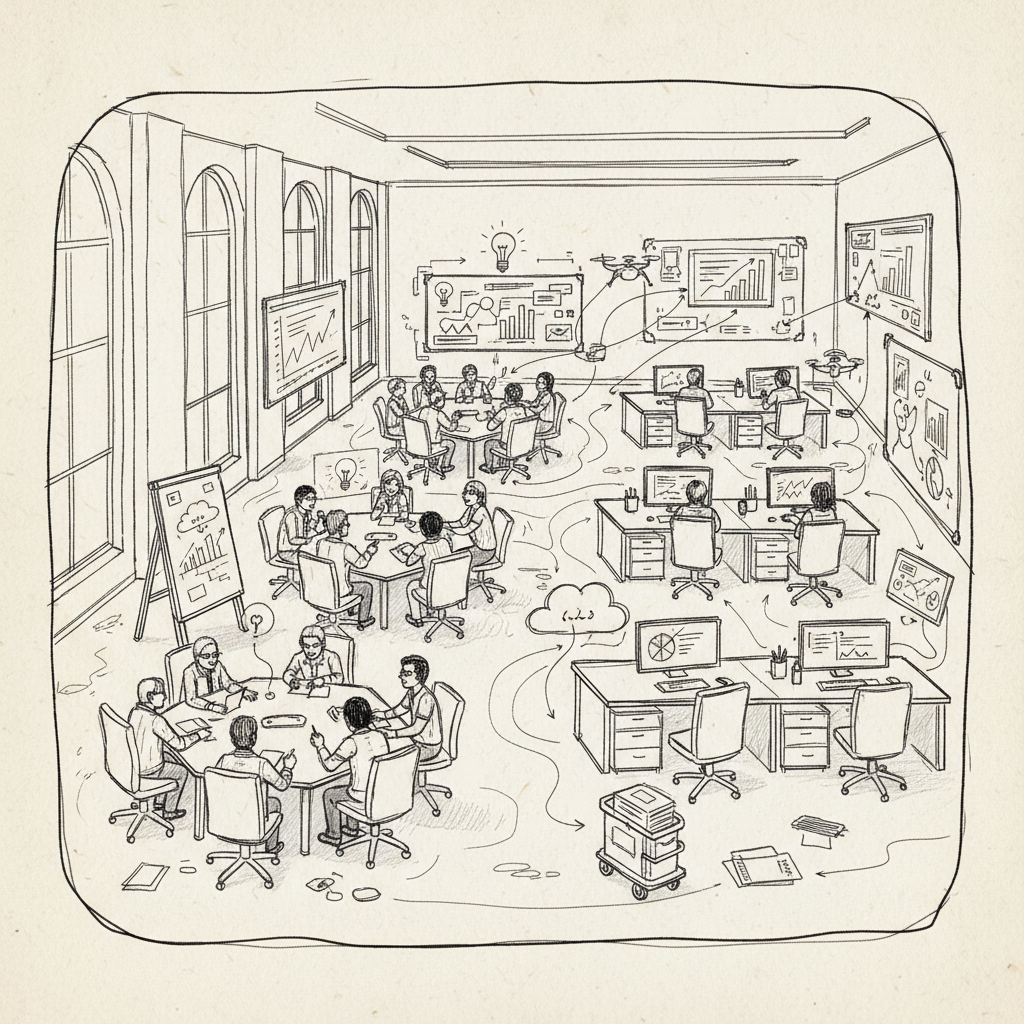
The key to sustainable efficiency gains lies in continuous monitoring and adaptation. As work patterns evolve and new technologies emerge, the most successful organizations regularly reassess their efficiency strategies to ensure they remain aligned with business objectives and employee needs. By implementing these proven strategies systematically, your organization can achieve lasting improvements in productivity, cost management, and workplace satisfaction.
About the Author
Written by the SaaS experts at Upflex. Our team brings years of hands-on experience helping businesses with SaaS, delivering practical guidance grounded in real-world results.
Recommended Articles
Explore more from our content library: