The modern workplace is undergoing a fundamental transformation. As organizations grapple with hybrid work models, space optimization challenges, and the need for enhanced productivity, artificial intelligence has emerged as a game-changing solution. AI office management represents the convergence of advanced technology and workplace operations, creating smarter, more efficient environments that adapt to human needs in real-time.
Artificial intelligence in workplace operations is the application of advanced technologies to automate, optimize, and enhance various aspects of office coordination and management. This includes everything from intelligent space allocation and predictive maintenance to automated scheduling and data-driven decision making. The technology fundamentally changes how organizations manage their physical and virtual workspaces, delivering measurable improvements in efficiency and employee satisfaction.
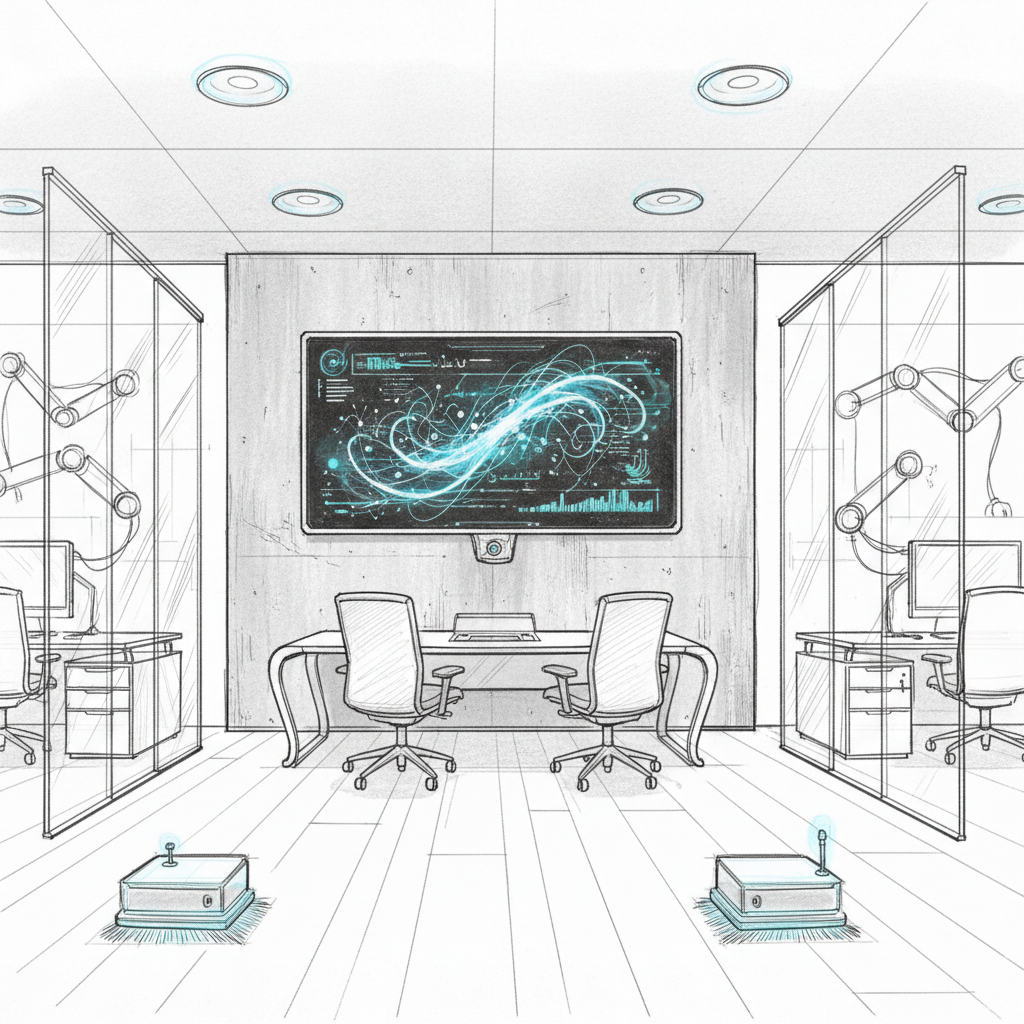
In this comprehensive guide, you'll discover how intelligent workplace systems work, their key benefits for organizations, common implementation challenges, and proven best practices for 2026. Whether you're a facilities manager, HR leader, or executive exploring
workplace optimization, this article provides the insights you need to leverage AI effectively in your office environment.
What Is AI Office Management?
Intelligent workplace systems encompass the strategic use of artificial intelligence technologies to streamline, automate, and optimize various aspects of workplace operations and administration.
At its core, these systems integrate machine learning algorithms, predictive analytics, and automation tools to handle routine administrative tasks, optimize resource allocation, and enhance the overall workplace experience. This technology goes beyond simple automation by learning from patterns, predicting future needs, and making intelligent decisions without constant human intervention.
Core Components of AI Office Management
Modern intelligent workplace systems typically include several key technological components working in harmony:
- Machine learning algorithms that analyze usage patterns and predict future needs
- Natural language processing for automated communication and document management
- Computer vision for space utilization monitoring and security enhancement
- Predictive analytics for maintenance scheduling and resource planning
- Robotic process automation for routine administrative tasks
- IoT sensors and smart building integration for real-time environmental control
According to research from Harvard Business School, AI-driven scheduling tools can reduce time spent on administrative tasks by up to 20%, freeing employees to focus on higher-value activities [1]. This efficiency gain represents just one aspect of AI's transformative potential in office environments.
The Evolution of Office Management Technology
The journey from traditional office management to AI-powered solutions represents a significant technological leap. Traditional systems relied heavily on manual processes, reactive maintenance, and static resource allocation. Today's intelligent workplace platforms can predict when equipment will need maintenance, automatically adjust environmental controls based on occupancy patterns, and optimize space usage in real-time.
Pro Tip: Start with pilot programs in specific areas like meeting room booking or maintenance scheduling before implementing comprehensive AI systems across your entire organization.
The University of Iowa's Tippie College of Business notes that AI's impact on office and clerical workers will be substantial, with many routine tasks becoming fully automated by 2026 [2]. This shift requires organizations to rethink job roles and invest in employee training to maximize AI's benefits.
How AI Office Management Works
Intelligent workplace systems operate through interconnected technologies that collect data, analyze patterns, and execute automated responses to optimize workplace operations.
The foundation of any AI-powered workplace system lies in data collection and processing. Smart sensors throughout the office environment continuously gather information about space utilization, environmental conditions, equipment performance, and employee behavior patterns. This data feeds into machine learning algorithms that identify trends, predict future needs, and recommend optimal actions.
Data Collection and Analysis Framework
The data collection process involves multiple touchpoints across the office environment:
- Occupancy sensors track desk and room usage patterns throughout the day
- Environmental sensors monitor temperature, humidity, air quality, and lighting conditions
- Equipment sensors provide real-time status updates on printers, HVAC systems, and other office machinery
- Digital interaction data from booking systems, access cards, and collaboration tools
- Employee feedback and preference data collected through surveys and app interactions
This comprehensive data collection enables AI systems to build detailed models of office operations and user behavior. Machine learning algorithms then process this information to identify optimization opportunities and predict future requirements.
Automated Decision-Making Processes
Once data is collected and analyzed, intelligent workplace systems can make autonomous decisions within predefined parameters. For example, if sensors detect that a conference room has been empty for 15 minutes past its scheduled meeting time, the system can automatically release the booking and make the room available for other users.
| AI Function |
Input Data |
Automated Action |
Business Impact |
| Space Optimization |
Occupancy patterns, booking data |
Dynamic space reallocation |
30-40% increase in space utilization |
| Predictive Maintenance |
Equipment sensors, usage logs |
Automated service scheduling |
25% reduction in downtime |
| Energy Management |
Occupancy, environmental sensors |
HVAC and lighting adjustment |
15-20% energy cost savings |
| Meeting Coordination |
Calendar data, preferences |
Optimal scheduling and room assignment |
50% reduction in scheduling conflicts |
Integration with Existing Systems
Modern AI-powered workplace platforms are designed to integrate seamlessly with existing workplace technologies. This includes human resources information systems (HRIS), facility management software, security systems, and collaboration tools. The integration ensures that AI enhancements complement rather than replace existing workflows.
At Upflex, we've found that organizations achieving the best results from intelligent workplace systems are those that take a holistic approach to integration, ensuring all systems work together to create a unified workplace experience.
Key Benefits of AI Office Management in 2026
Intelligent workplace systems deliver substantial advantages across multiple dimensions of workplace operations, from cost reduction to employee satisfaction enhancement.
The primary benefits of implementing AI-powered workplace solutions extend far beyond simple automation. Organizations report significant improvements in operational efficiency, cost management, and employee experience when AI technologies are properly integrated into their workplace strategies.
Operational Efficiency and Cost Reduction
One of the most compelling advantages of intelligent workplace systems is their ability to dramatically improve operational efficiency while reducing costs. Research from MIT Sloan indicates that companies implementing comprehensive AI workplace solutions see average cost reductions of 25-35% in facility management expenses [3].
- Automated space allocation reduces real estate costs by optimizing usage patterns
- Predictive maintenance prevents costly equipment failures and extends asset lifecycles
- Energy management systems automatically adjust consumption based on actual occupancy
- Streamlined administrative processes eliminate redundant manual tasks
- Data-driven decision making reduces waste and improves resource allocation
The U.S. Government Accountability Office reports that federal agencies implementing generative AI for administrative tasks have seen productivity increases of up to 40% in certain departments [5]. This demonstrates the scalability of AI benefits across different organizational contexts.
Enhanced Employee Experience and Satisfaction
Intelligent workplace systems significantly improve the daily experience of office workers by eliminating friction points and personalizing the workplace environment. Employees benefit from seamless booking systems, optimal environmental conditions, and reduced time spent on administrative tasks.
Pro Tip: Implement AI-powered personalization features gradually, allowing employees to opt-in to different levels of automation based on their comfort and preferences.
Data-Driven Decision Making Capabilities
AI-powered workplace systems provide unprecedented visibility into workplace operations through comprehensive analytics and reporting. This data-driven approach enables more informed decision making across all aspects of facility management and workplace strategy.
The insights generated by AI systems help organizations understand:
- Peak usage times for different spaces and resources
- Employee preferences and behavior patterns
- Equipment performance trends and maintenance needs
- Energy consumption patterns and optimization opportunities
- Space utilization efficiency across different areas and times
Scalability and Future-Proofing
Modern intelligent workplace systems are designed to scale with organizational growth and adapt to changing workplace needs. As hybrid work models continue to evolve, these systems provide the flexibility needed to accommodate new working patterns and employee expectations.
The AISES Winds of Change Magazine notes that AI's ability to analyze office space utilization patterns is particularly valuable in hybrid workplaces, where traditional space planning approaches often fall short [4]. This adaptability ensures that investments in AI workplace technology continue to deliver value as workplace dynamics evolve.
Common Challenges and Implementation Pitfalls
Despite its significant benefits, implementing intelligent workplace systems comes with several challenges that organizations must navigate carefully to achieve success.
The most successful AI workplace implementations are those that anticipate and proactively address common pitfalls rather than treating them as afterthoughts.
Data Privacy and Security Concerns
One of the primary challenges in AI workplace implementation involves balancing operational insights with employee privacy protection. AI systems collect vast amounts of data about employee behavior, location, and preferences, raising legitimate concerns about surveillance and data misuse.
- Employee location tracking can feel invasive without proper communication and consent
- Behavioral pattern analysis may create concerns about performance monitoring
- Data storage and sharing policies must comply with privacy regulations
- Cybersecurity risks increase with expanded data collection and IoT device deployment
- Third-party AI vendors may have access to sensitive organizational information
Organizations must establish clear data governance policies and communicate transparently with employees about how AI systems collect and use their information. The key is demonstrating that intelligent workplace technology enhances rather than monitors employee performance.
Integration Complexity and Technical Challenges
Many organizations underestimate the technical complexity of integrating AI workplace systems with existing infrastructure. Legacy systems, incompatible data formats, and network limitations can significantly complicate implementation efforts.
Pro Tip: Conduct a comprehensive technical audit before selecting AI workplace solutions to identify potential integration challenges and ensure compatibility with existing systems.
Change Management and Employee Adoption
Resistance to change represents another significant challenge in AI workplace implementation. Employees may feel threatened by automation, concerned about job security, or simply uncomfortable with new technologies affecting their daily work environment.
Successful change management requires:
- Clear communication about AI's role in enhancing rather than replacing human capabilities
- Comprehensive training programs to help employees understand and use new systems
- Gradual implementation that allows time for adjustment and feedback
- Regular feedback collection and system adjustments based on user input
- Leadership support and visible commitment to the AI transformation
Cost and ROI Measurement Difficulties
While intelligent workplace systems can deliver significant cost savings, the initial investment can be substantial, and measuring return on investment can be complex. Organizations often struggle to quantify benefits like improved employee satisfaction or reduced administrative burden.
| Cost Category |
Typical Range |
ROI Timeline |
Measurement Challenges |
| Software Licensing |
$50,000-$500,000 |
12-18 months |
Direct cost tracking |
| Hardware/Sensors |
$25,000-$200,000 |
18-24 months |
Installation complexity |
| Integration Services |
$75,000-$300,000 |
6-12 months |
Scope definition |
| Training & Change Management |
$20,000-$100,000 |
24-36 months |
Soft benefits quantification |
A common mistake is focusing solely on hard cost savings while ignoring the substantial but harder-to-measure benefits like improved employee experience and enhanced decision-making capabilities.
Best Practices for AI Office Management in 2026
Successful implementation of intelligent workplace systems requires a strategic approach that balances technological capabilities with human needs and organizational objectives.
The most effective AI workplace strategies in 2026 focus on gradual implementation, employee-centric design, and continuous optimization based on real-world usage patterns and feedback.
Strategic Planning and Phased Implementation
Rather than attempting to implement comprehensive intelligent workplace systems all at once, leading organizations adopt a phased approach that allows for learning and adjustment throughout the process.
- Start with pilot programs in specific areas like meeting room booking or basic space analytics
- Establish clear success metrics and measurement frameworks before implementation begins
- Create cross-functional teams including IT, facilities, HR, and employee representatives
- Develop comprehensive change management plans that address both technical and cultural aspects
- Plan for iterative improvements based on user feedback and system performance data
Employee-Centric Design Principles
The most successful AI workplace implementations prioritize employee experience and empowerment rather than pure efficiency gains. This approach ensures higher adoption rates and better long-term outcomes.
Pro Tip: Involve employees in the design and testing phases of intelligent workplace systems to ensure the technology actually improves their daily work experience rather than creating new friction points.
Key design principles include:
- Transparency in how AI systems make decisions affecting employees
- User control over personal preferences and automation levels
- Intuitive interfaces that require minimal training or technical expertise
- Fallback options for when AI systems need human intervention
- Regular feedback mechanisms to capture user experience and improvement suggestions
Data Governance and Privacy Framework
Establishing robust data governance practices is essential for maintaining employee trust and regulatory compliance while maximizing the benefits of intelligent workplace systems.
Our team at Upflex recommends implementing a comprehensive data governance framework that includes clear policies for data collection, storage, usage, and sharing. This framework should address both internal governance needs and external regulatory requirements.
Integration and Interoperability Standards
To maximize the value of AI workplace investments, organizations should prioritize solutions that integrate seamlessly with existing systems and follow industry standards for interoperability.
| Integration Area |
Key Standards |
Benefits |
Implementation Considerations |
| Building Management Systems |
BACnet, LonWorks |
Unified environmental control |
Legacy system compatibility |
| Security Systems |
ONVIF, PACS |
Integrated access control |
Privacy and compliance |
| Communication Platforms |
REST APIs, OAuth |
Seamless user experience |
Authentication complexity |
| HR and Business Systems |
SCIM, SAML |
Automated user provisioning |
Data synchronization |
Continuous Monitoring and Optimization
Intelligent workplace systems require ongoing attention and optimization to maintain peak performance and adapt to changing organizational needs. This includes regular system updates, performance monitoring, and user feedback incorporation.
Successful organizations establish regular review cycles that examine system performance, user satisfaction, and business impact metrics. This data-driven approach ensures that AI workplace systems continue to deliver value and evolve with organizational needs.
Sources & References
- Harvard Business School, "A Guide to Increasing Your Workplace Productivity with AI", 2026
- University of Iowa Tippie College of Business, "How will AI affect administrative jobs?", 2026
- MIT Sloan, "What leaders should know about 'bring your own AI'", 2026
- AISES Winds of Change Magazine, "The Role of AI in the Workplace", 2026
- U.S. Government Accountability Office, "Generative AI Use and Management at Federal Agencies", 2026
- Edge Workspaces, "How AI is Revolutionizing Office Management", 2026
- Yarooms, "7 Best AI Assistants for Office Management in 2026", 2026
- Gallop Tech Group, "AI and Office Management: Balancing Automation with Human Oversight", 2026
Frequently Asked Questions
1. What is the average cost of implementing AI office management systems?
Understanding AI office management is essential. Understanding this is essential. Implementation costs typically range from $150,000 to $1 million depending on office size and system complexity. Most organizations see ROI within 12-24 months through reduced operational costs and improved efficiency.
2. How does AI office management protect employee privacy?
Modern intelligent workplace systems use anonymized data collection, role-based access controls, and transparent data policies. Employees typically have control over their personal preferences and can opt out of certain tracking features while maintaining system functionality.
3. Can AI office management systems integrate with existing workplace technologies?
Yes, most enterprise AI workplace platforms are designed with open APIs and standard protocols to integrate with existing HR systems, building management systems, security platforms, and collaboration tools. Integration complexity varies based on legacy system architecture.
4. What types of tasks can AI office management automate?
AI can automate meeting room booking, space allocation, maintenance scheduling, environmental controls, visitor management, supply ordering, and basic IT support. The technology excels at routine, rule-based tasks while humans handle complex decision-making and relationship management.
5. How long does it take to implement AI office management successfully?
Full implementation typically takes 6-18 months depending on system complexity and organizational size. Pilot programs can be operational within 2-3 months, allowing organizations to test functionality and gather feedback before full deployment.
6. What are the main challenges in AI office management adoption?
Primary challenges include employee resistance to change, data privacy concerns, integration complexity with legacy systems, and difficulty measuring soft benefits like improved employee satisfaction. Successful implementations address these through comprehensive change management and clear communication.
7. How accurate are AI predictions for office space and resource needs?
Advanced intelligent workplace systems achieve 90-97% accuracy in predicting space utilization and resource needs after collecting sufficient historical data. Accuracy improves over time as the system learns organizational patterns and seasonal variations.
8. What skills do employees need to work effectively with AI office management systems?
Most AI workplace systems require minimal technical skills from end users. Basic digital literacy, familiarity with mobile apps, and willingness to adapt to new workflows are typically sufficient. Organizations should provide training focused on system benefits rather than technical details.
AI office management represents a fundamental shift in how organizations approach workplace operations and employee experience. As we've explored throughout this guide, the technology offers substantial benefits in efficiency, cost reduction, and employee satisfaction when implemented thoughtfully and strategically.
The key to success lies in taking a human-centered approach that prioritizes employee needs while leveraging AI's capabilities to eliminate friction and optimize operations. Organizations that invest in comprehensive planning, robust data governance, and ongoing optimization will be best positioned to realize the full potential of intelligent workplace systems in 2026 and beyond.
As hybrid work models continue to evolve and employee expectations for seamless, personalized workplace experiences grow, AI-powered workplace technology will become increasingly essential for competitive advantage. The organizations that begin their AI transformation today will be the workplace leaders of tomorrow.
About the Author
Written by the SaaS experts at Upflex. Our team brings years of hands-on experience helping businesses with SaaS, delivering practical guidance grounded in real-world results.
Recommended Articles
Explore more from our content library: