Share This Article
No items found.

Key Insight | Explanation |
|---|---|
Hybrid-First Design | Offices are optimized for flexible attendance patterns with AI-powered space management |
Biophilic Integration | Natural elements boost productivity by 15% and reduce stress levels significantly |
Smart Building Tech | AI systems optimize lighting, temperature, and space allocation in real-time |
Acoustic Prioritization | Sound management becomes critical as open offices evolve with specialized zones |
Sustainability Focus | Circular design principles and carbon-neutral materials drive workplace decisions |
Wellness-Centric Spaces | Mental health rooms, meditation spaces, and fitness areas become standard features |
The modern workplace is undergoing a dramatic transformation. Office design trends in 2026 reflect a fundamental shift toward human-centered environments that prioritize flexibility, wellness, and technological integration. As organizations navigate the complexities of hybrid work models, the physical workspace has evolved from a simple place to work into a strategic tool for attracting talent, fostering collaboration, and optimizing real estate investments. These design trends aren't just aesthetic choices. They represent data-driven responses to changing employee expectations and business needs. Companies implementing these modern office design principles report higher employee satisfaction, improved productivity metrics, and significant reductions in real estate costs through optimized space utilization.
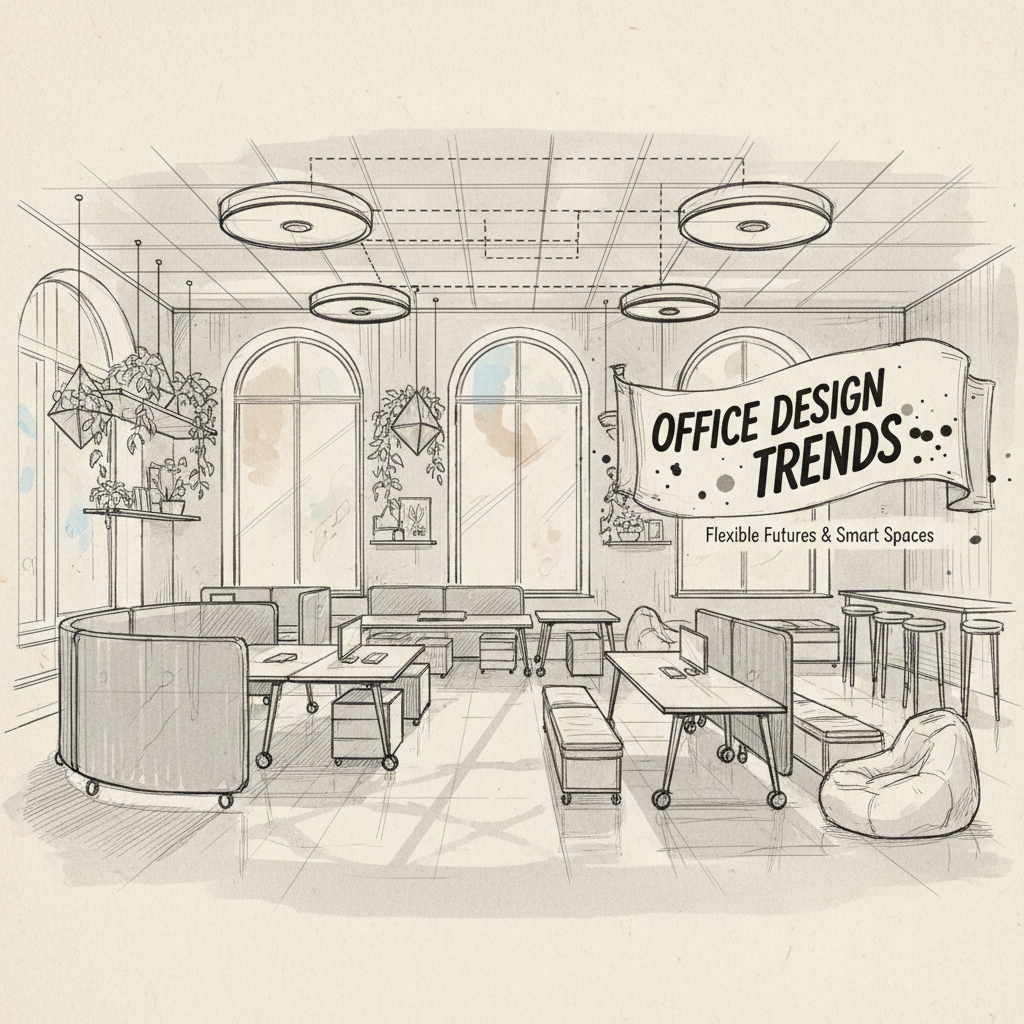
Hybrid-flexible workspaces represent the most significant shift in office design trends, with spaces designed to accommodate fluctuating attendance patterns and diverse work styles. These environments prioritize adaptability over fixed layouts, allowing organizations to maximize space utilization while supporting both in-person and remote collaboration.
The foundation of hybrid workspace design centers on three key elements:
Flexible furniture systems that can be reconfigured daily based on team needs and attendance forecasts
Technology-enabled booking systems that allow employees to reserve specific spaces for different work activities
Multi-purpose zones that serve various functions throughout the day, from focused work to team meetings
Organizations implementing these designs report 30-40% improvements in space efficiency. The key lies in understanding usage patterns through data analytics and designing spaces that can transform based on real-time needs.
Successful hybrid workspace design requires careful planning and ongoing optimization:
Conduct thorough space utilization audits to understand current usage patterns
Implement smart sensors and booking systems to track space demand
Design modular furniture layouts that can be easily reconfigured
Create clear wayfinding and digital signage systems
Establish protocols for space transformation and maintenance
Pro Tip: Start with pilot zones before implementing hybrid design throughout your entire office. This allows you to test configurations and gather employee feedback before making larger investments.
At Upflex, we've found that organizations using AI-powered attendance forecasting achieve 97% accuracy in predicting space needs, enabling more precise design decisions and significant cost savings.
AI and smart building integration transforms office environments into responsive, data-driven ecosystems that adapt to occupant needs in real-time. These systems represent a major evolution in office design trends, moving beyond static environments to dynamic spaces that learn and optimize continuously.
Modern smart office systems integrate multiple technologies to create seamless user experiences:
IoT sensors monitor occupancy, air quality, temperature, and lighting levels throughout the workspace
Machine learning algorithms analyze usage patterns to predict space demand and optimize resource allocation
Mobile applications allow employees to book spaces, adjust environmental controls, and access building services
Automated systems adjust lighting, HVAC, and security based on real-time occupancy data
Research from MIT indicates that smart building integration can reduce energy consumption by 20-30% while improving occupant comfort and productivity [1].
Smart building features directly impact daily workplace experiences:
Automated climate control adjusts temperature and humidity based on occupancy and weather conditions
Intelligent lighting systems provide optimal illumination for different tasks and times of day
Space allocation algorithms suggest optimal seating arrangements based on team collaboration patterns
Predictive maintenance systems identify equipment issues before they impact productivity
Security systems provide touchless access and real-time safety monitoring
The integration of AI in office design enables unprecedented levels of personalization and efficiency, creating environments that truly support human productivity and well-being.
Biophilic design elements have become essential components of modern office design trends, incorporating natural elements to improve employee well-being and productivity. This approach recognizes the innate human connection to nature and leverages it to create more engaging work environments.
Effective biophilic design goes beyond simply adding plants to office spaces:
Living walls and vertical gardens that improve air quality while creating visual interest
Natural materials such as wood, stone, and bamboo that add texture and warmth
Water features that provide calming sounds and humidity regulation
Natural lighting optimization through strategic window placement and skylights
Nature-inspired patterns in carpeting, wallpaper, and architectural details
Studies from the Business Group on Health show that biophilic design elements can reduce stress levels by 15% and increase productivity by 6% [2]. These improvements translate directly to business outcomes through reduced absenteeism and higher employee engagement.
Successful biophilic design requires careful planning and maintenance protocols: The selection of appropriate plant species depends on office lighting conditions, maintenance capabilities, and air quality goals. Low-maintenance options like pothos, snake plants, and ZZ plants work well in most office environments.
Pro Tip: Partner with local nurseries or plant maintenance services to ensure your biophilic elements remain healthy and vibrant. Dead or dying plants can have negative psychological effects that counteract the benefits.
Natural materials should be sourced sustainably and selected for durability in high-traffic environments. Consider the lifecycle costs and maintenance requirements when choosing wood finishes, stone surfaces, and textile materials.
Acoustic design and sound management have emerged as critical components of office design trends, addressing the challenges of open office environments while supporting diverse work styles. Effective acoustic solutions balance the need for collaboration with requirements for focused, uninterrupted work.
Modern acoustic design creates distinct sound environments for different activities:
Quiet zones with sound absorption materials and minimal ambient noise for focused work
Collaboration areas designed to contain conversational noise while supporting team interactions
Phone booth spaces with enhanced sound isolation for private calls and video conferences
Social zones where higher noise levels are acceptable and even encouraged
The key is creating clear acoustic boundaries that help employees understand appropriate noise levels for each area.
Advanced acoustic treatments go beyond traditional sound-absorbing panels:
White noise systems that mask distracting sounds without creating additional noise pollution
Sound-absorbing furniture and architectural elements that integrate seamlessly with design aesthetics
Strategic space planning that separates noisy and quiet activities through physical barriers
Advanced ceiling treatments that reduce sound transmission between floors
Smart audio systems that adjust background sound levels based on occupancy and activity
Acoustic Solution | Noise Reduction | Cost Level | Best Use Case |
|---|---|---|---|
Acoustic Panels | 15-25 dB | Low | Open office areas |
Sound Masking | 10-15 dB | Medium | Large open spaces |
Private Pods | 30-40 dB | High | Focused work |
Ceiling Treatments | 20-30 dB | Medium | Overall noise control |
Effective acoustic design requires understanding the specific noise challenges in your workspace and implementing layered solutions that address both direct sound transmission and ambient noise levels.

Sustainable and circular design principles are reshaping office design trends as organizations prioritize environmental responsibility and long-term cost efficiency. This approach focuses on material selection, energy efficiency, and waste reduction throughout the entire lifecycle of office spaces.
Circular design in office environments emphasizes resource optimization and waste elimination:
Material reuse and upcycling of existing furniture and architectural elements during renovations
Modular design systems that allow components to be reconfigured rather than replaced
Lease-based furniture models that enable continuous updates without generating waste
Local sourcing to reduce transportation emissions and support regional economies
End-of-life planning for all materials and furnishings used in the space
Organizations implementing circular design principles report 25-35% reductions in material costs and significant improvements in their environmental impact metrics [3].
Modern sustainable office design prioritizes materials with minimal environmental impact:
Recycled content materials for carpeting, furniture, and architectural elements
Low-VOC finishes and adhesives that improve indoor air quality
Rapidly renewable materials like bamboo and cork for flooring and wall treatments
Energy-efficient lighting systems with LED technology and smart controls
Water-efficient fixtures and systems that reduce resource consumption
The focus extends beyond initial material selection to include durability, maintainability, and eventual disposal or recycling options.
Pro Tip: Develop a sustainability scorecard for evaluating design decisions. Include factors like embodied carbon, recyclability, durability, and local availability to make informed choices that align with your environmental goals.
Wellness-focused environments represent a fundamental shift in office design trends toward supporting employee mental and physical health. These spaces recognize that workplace design directly impacts productivity, engagement, and overall job satisfaction.
Dedicated wellness areas address the growing awareness of mental health in the workplace:
Meditation and mindfulness rooms with comfortable seating and calming acoustics
Quiet retreat spaces where employees can decompress and recharge during the workday
Flexible break areas that accommodate different relaxation preferences and activities
Natural light optimization throughout the workspace to support circadian rhythms
Air quality monitoring and improvement systems that maintain healthy indoor environments
Research from Harvard Business Review indicates that wellness-focused office design can reduce stress-related absences by 20% and improve employee retention by 15% [4].
Modern wellness design incorporates movement and physical activity into daily work routines: Active workstations with standing desks and treadmill workstations provide alternatives to traditional seated work. Movement corridors encourage walking meetings and provide routes for brief exercise breaks throughout the day. On-site fitness facilities or partnerships with nearby gyms make it easier for employees to maintain active lifestyles. The key is creating options that fit into busy work schedules and varying fitness levels.
Activity-based working zones have become central to modern office design trends, creating specialized areas optimized for specific types of work. This approach recognizes that different tasks require different environmental conditions and spatial arrangements.
Effective activity-based design creates distinct areas for various work modes:
Focus zones with minimal distractions and enhanced privacy for deep, concentrated work
Collaboration spaces equipped with technology and flexible seating for team projects
Learning areas designed for training, presentations, and knowledge sharing
Social zones that encourage informal interactions and relationship building
Phone and video call areas with proper acoustics and technology for remote communication
The success of activity-based working depends on clear communication about how each zone should be used and ensuring adequate capacity for peak demand periods.
Each activity zone requires specific technology solutions to support its intended use:
Booking systems that allow employees to reserve appropriate spaces for their planned activities
Integrated AV systems in collaboration areas that support both in-person and remote participants
Power and connectivity solutions that accommodate mobile work styles
Environmental controls that can be adjusted for different activities and group sizes
Wayfinding systems that help employees locate and navigate between different zones
According to Gensler's workplace research, organizations with well-designed activity-based working report 12% higher employee satisfaction and 8% improvements in productivity metrics [5].
Modular and adaptable furniture systems enable rapid workspace reconfiguration to meet changing needs. These solutions support the dynamic nature of modern work while providing long-term value through flexibility and durability.
Effective modular furniture systems share several key characteristics:
Standardized connections that allow components to be easily combined and separated
Multi-functional pieces that serve different purposes in various configurations
Scalable systems that can grow or shrink based on team size and space requirements
Lightweight materials that facilitate easy reconfiguration without specialized tools
Integrated technology that moves with the furniture rather than requiring fixed installations
Organizations investing in modular furniture systems realize multiple advantages: The ability to reconfigure spaces quickly reduces the need for costly renovations when team structures or work processes change. Standardized systems also simplify procurement and maintenance processes.
Pro Tip: When selecting modular furniture, prioritize systems from manufacturers with strong sustainability commitments. Look for take-back programs and recycling options that support circular economy principles.
Modular systems support the hybrid work model by allowing spaces to be optimized for different attendance levels and team configurations throughout the week.
Circadian lighting systems represent an advanced approach to office design trends, using light to support natural biological rhythms and improve employee well-being. These systems automatically adjust color temperature and intensity throughout the day to align with human circadian cycles.
Circadian lighting affects multiple aspects of human physiology and performance:
Sleep quality improvement through proper light exposure that regulates melatonin production
Alertness enhancement during work hours through optimized blue light exposure
Mood stabilization by supporting natural hormone cycles and reducing seasonal affective symptoms
Cognitive performance optimization through lighting that supports different types of mental tasks
Research indicates that circadian lighting can improve sleep quality by 18% and reduce fatigue-related errors by 23% in office environments.
Modern circadian lighting systems integrate multiple technologies:
LED fixtures with tunable white capabilities that adjust color temperature from 2700K to 6500K
Automated control systems that follow pre-programmed circadian cycles
Daylight sensors that integrate artificial lighting with natural light availability
Personal controls that allow individual adjustments while maintaining overall system coordination
Integration with building management systems for energy optimization
Time of Day | Color Temperature | Intensity Level | Biological Effect |
|---|---|---|---|
Morning (8-10 AM) | 5000-6500K | High | Alertness boost |
Midday (10 AM-2 PM) | 5500-6000K | Maximum | Peak performance |
Afternoon (2-5 PM) | 4000-5000K | Medium-High | Sustained focus |
Evening (5-7 PM) | 3000-4000K | Medium | Wind-down preparation |
Collaborative technology spaces have evolved beyond traditional conference rooms to become sophisticated environments that seamlessly connect in-person and remote team members. These spaces represent a crucial element of office design trends as hybrid work becomes the standard.
Modern collaborative spaces integrate multiple technologies for seamless communication:
High-definition video conferencing systems with multiple cameras and intelligent framing capabilities
Interactive displays that allow both local and remote participants to share and edit content
Advanced audio systems with noise cancellation and directional microphones
Wireless presentation tools that enable easy content sharing from any device
Integrated booking and control systems that simplify room setup and management
Effective collaborative technology spaces require careful attention to both technical and spatial elements: Room acoustics play a critical role in video conference quality, requiring sound-absorbing materials and strategic layout planning. Lighting design must accommodate both in-person work and video capture requirements. Furniture placement should ensure all participants can see displays clearly while maintaining natural sight lines for camera systems. Flexible seating arrangements accommodate different meeting sizes and collaboration styles.
Cultural identity and brand expression through office design help organizations attract talent and reinforce company values. These design elements create memorable environments that support recruiting efforts and employee engagement.
Effective brand expression goes beyond logos and color schemes:
Material selection that reflects company values such as sustainability or innovation
Spatial layout that embodies organizational culture, whether collaborative or focused
Art and graphics that tell the company story and celebrate achievements
Amenity selection that demonstrates commitment to employee well-being
Technology integration that showcases the organization's digital sophistication
Office design can reflect and reinforce organizational culture through environmental choices:
Open, transparent layouts that support cultures of collaboration and communication
Flexible spaces that accommodate diverse work styles and cultural backgrounds
Community areas that encourage interaction and relationship building
Recognition displays that celebrate team achievements and company milestones
Local cultural elements that connect the space to its geographic community
The goal is creating authentic environments that genuinely reflect organizational values rather than superficial branding exercises.
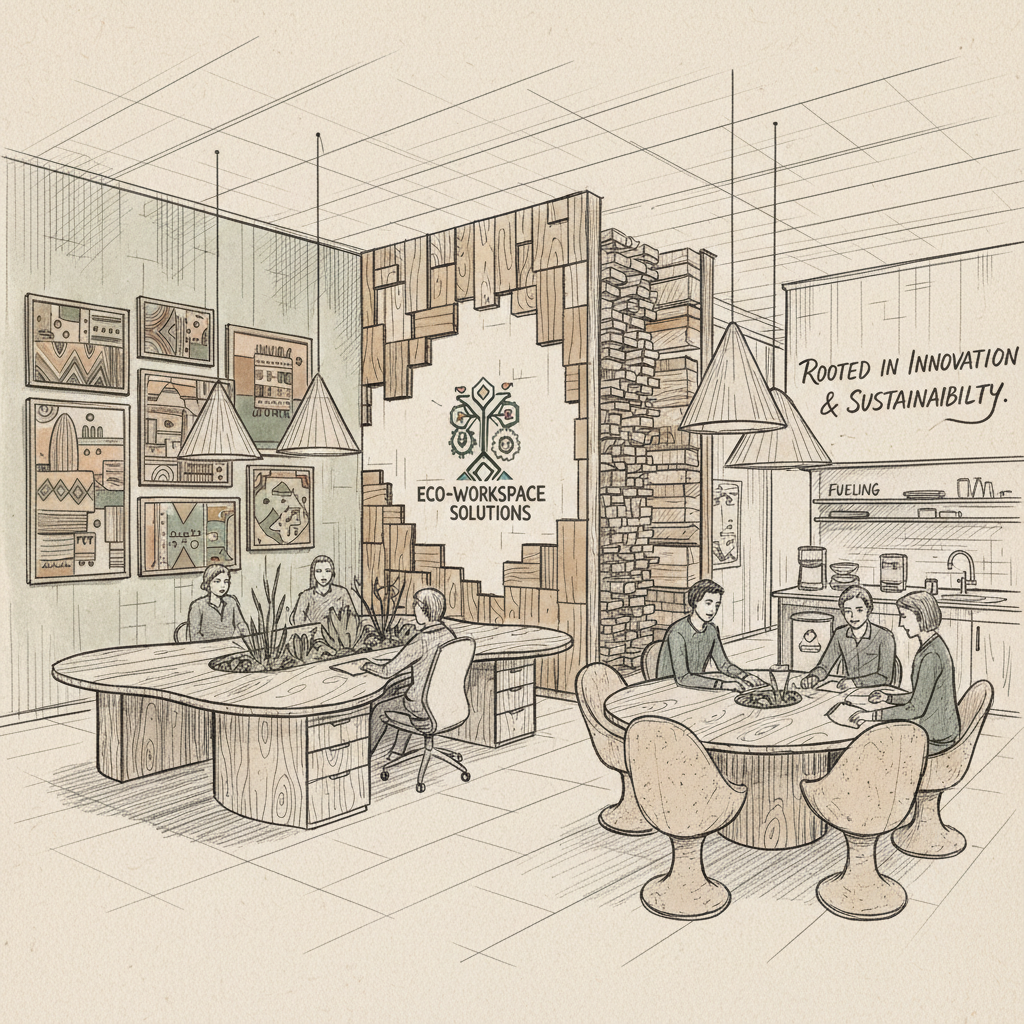
Micro-environments and neighborhoods represent a sophisticated approach to office design trends, creating distinct zones within larger spaces that cater to different work styles and team needs. This concept moves beyond traditional open office layouts to provide variety and choice in work settings.
Effective workplace neighborhoods incorporate several design elements:
Distinct visual identities that help employees navigate and identify with specific areas
Varied acoustic environments ranging from quiet focus areas to energetic collaboration zones
Different furniture styles that support various work postures and activities
Unique lighting conditions optimized for the primary activities in each neighborhood
Specialized technology that matches the intended use of each area
Creating successful micro-environments requires understanding how different teams and individuals prefer to work: Research from workplace flexibility organizations shows that employees are 23% more productive when they can choose environments that match their work style and current tasks [6]. This choice architecture becomes increasingly important as organizations compete for talent.
Pro Tip: Use pilot programs to test different micro-environment concepts before full implementation. Gather detailed feedback on which elements work best for your specific organizational culture and work patterns.
Successful neighborhood design balances variety with coherence, ensuring the overall space feels unified while providing meaningful choices for different work activities.
Outdoor workspace integration extends office environments beyond traditional indoor boundaries, creating additional options for work and collaboration. This trend addresses employee desire for fresh air and natural settings while expanding available workspace capacity.
Effective outdoor workspaces require careful planning and infrastructure:
Weather protection through covered areas, windbreaks, and seasonal adaptations
Power and connectivity infrastructure that supports laptop and mobile device use
Comfortable seating designed for extended work sessions in outdoor conditions
Security considerations for both people and equipment in semi-public spaces
Maintenance protocols that keep outdoor areas clean and functional year-round
Outdoor workspaces must function across different weather conditions and seasons:
Retractable coverings that provide sun protection and light rain shelter
Heating elements for cooler weather that extend the usable season
Storage solutions for cushions and equipment during severe weather
Drainage systems that prevent water accumulation and maintain usability
Plant selection that provides natural beauty while requiring minimal maintenance
Organizations with well-designed outdoor workspaces report higher employee satisfaction and increased use of office facilities, particularly during favorable weather periods.
Data-driven design decisions transform office planning from intuition-based to evidence-based processes. This approach uses occupancy analytics, employee feedback, and performance metrics to optimize space design and utilization.
Modern data-driven design relies on comprehensive monitoring systems:
Occupancy sensors that track space utilization patterns throughout the day and week
Environmental monitoring that measures air quality, temperature, and lighting conditions
Employee surveys that capture satisfaction and preference data
Productivity metrics that correlate workspace design with business outcomes
Technology usage data that shows how different spaces and tools are utilized
Successful data-driven design follows a systematic approach:
Establish baseline measurements before implementing design changes
Define clear metrics that align with organizational goals and employee well-being
Implement monitoring systems that provide ongoing feedback on space performance
Analyze data regularly to identify optimization opportunities
Adjust design elements based on evidence rather than assumptions
Our experience at Upflex demonstrates that organizations using comprehensive workplace analytics achieve 97% accuracy in attendance forecasting and can reduce real estate costs by 40% through optimized space utilization.
Inclusive and accessibility-first design ensures office environments support all employees regardless of physical abilities, neurodiversity, or other individual differences. This approach goes beyond legal compliance to create truly welcoming and productive environments for everyone.
Inclusive office design incorporates accessibility from the initial planning stages:
Multiple navigation options including visual, tactile, and auditory wayfinding systems
Adjustable workstations that accommodate different physical needs and preferences
Sensory considerations for employees with autism or sensory processing differences
Flexible lighting and acoustic controls that support various neurological needs
Clear sight lines and open pathways that facilitate movement for all mobility levels
Effective inclusive design follows established accessibility guidelines while going beyond minimum requirements: The Americans with Disabilities Act (ADA) provides baseline requirements, but best practices include consulting with disability advocacy groups and conducting user testing with diverse employee groups. Technology integration should include screen readers, voice controls, and other assistive technologies that enable full participation in digital workplace tools.
Pro Tip: Include employees with disabilities in your design process from the beginning. Their insights will reveal considerations that might not be apparent to designers without lived experience of accessibility challenges.
Inclusive design benefits all employees by creating more flexible and adaptable environments that support diverse work styles and needs.
Selecting appropriate office design trends requires careful analysis of organizational needs, employee preferences, and business objectives. The most effective approach combines data-driven decision making with strategic planning and phased implementation.
Begin with a comprehensive evaluation of your current situation and future goals:
Space utilization analysis to understand how current areas are actually used
Employee satisfaction surveys that identify pain points and preferences
Business objective alignment to ensure design supports strategic goals
Budget and timeline constraints that influence implementation scope
Technology infrastructure assessment to determine integration capabilities
Not all trends will be appropriate or feasible for every organization:
Identify trends that directly address current workplace challenges
Evaluate the potential return on investment for each design element
Consider implementation complexity and required organizational change
Assess alignment with company culture and values
Plan phased rollouts that allow for testing and adjustment
Decision Factor | High Priority | Medium Priority | Low Priority |
|---|---|---|---|
Employee Satisfaction Impact | Direct improvement | Moderate benefit | Minimal impact |
Implementation Cost | Within budget | Requires planning | Major investment |
Business Alignment | Strategic necessity | Supports goals | Nice to have |
Change Management | Easy adoption | Moderate training | Significant change |
The most successful office design implementations start with high-impact, low-complexity changes that build momentum and demonstrate value before tackling more ambitious transformations.
MIT Sloan, "Commercial real estate preps for the workplace of the future", 2026
Business Group on Health, "5 Workplace Design Trends & Their Relationship with Well-being", 2026
Decorilla, "Office Design Trends 2025: Shaping the Future of Workspaces", 2025
Harvard Business Review, "Design an Office that People Want to Come Back to", 2022
Gensler, "10 Workplace Trends for 2025: What's In and What's Out?", 2025
Workplace Flexibility, "7 Home Office Design Trends to Refresh and Inspire", 2026
Office Principles, "Top 10 Office Design Trends for 2026", 2026
RMCAD, "Future of Workspace Design: Meeting the Needs of Tomorrow's Workforce", 2026
The most cost-effective office design trends include biophilic elements like plants and natural materials, acoustic improvements through furniture and panels, and flexible furniture arrangements. These changes provide immediate benefits without requiring major infrastructure investments.
Modern office design trends can improve productivity by 15-25% through better acoustic management, optimized lighting, activity-based working zones, and wellness-focused environments. The key is matching design elements to specific work activities and employee preferences.
Hybrid work models benefit most from flexible workspaces, AI-powered space management, modular furniture systems, and collaborative technology spaces. These trends support fluctuating attendance patterns and seamless integration between in-person and remote work.
Small businesses should focus on high-impact, low-cost changes like adding plants for biophilic design, rearranging furniture for activity-based zones, improving lighting with LED bulbs, and creating designated quiet areas using acoustic panels or room dividers.
Sustainability is central to 2026 office design trends, driving choices in materials, energy systems, waste reduction, and circular design principles. Organizations prioritize recycled materials, energy-efficient systems, and designs that can adapt rather than require replacement.
Success metrics include employee satisfaction scores, space utilization rates, productivity measurements, energy consumption data, and retention rates. The most effective approach combines quantitative data from sensors and surveys with qualitative feedback from regular employee interviews.
Common mistakes include implementing trends without considering company culture, failing to gather employee input, underestimating change management needs, choosing aesthetics over functionality, and not planning for ongoing maintenance and adaptation of new design elements.
Office design trends in 2026 represent a fundamental shift toward human-centered, technology-enhanced environments that support diverse work styles and business objectives. The most successful implementations combine multiple trends strategically, prioritizing employee well-being and organizational effectiveness over aesthetic considerations alone. The future of workplace design lies in creating adaptable, data-driven environments that can evolve with changing needs. Organizations that embrace these office design trends thoughtfully, with attention to their unique culture and requirements, will create competitive advantages through improved employee satisfaction, optimized space utilization, and reduced real estate costs. As the workplace continues to evolve, the integration of AI-powered systems, sustainable practices, and wellness-focused design will become standard rather than innovative. The companies that act now to implement these trends will be best positioned to attract talent, support productivity, and adapt to future changes in how we work.