Office Space in New York: Complete 2026 Guide & Tips
Upflex team
April 9, 2026
Key Insight
Explanation
Average NYC Office Costs
Manhattan office space ranges from $26-150 per square foot annually, with Class A buildings commanding premium rates
Hybrid Work Impact
Companies are downsizing by 30-40% while adopting flexible workspace solutions to optimize real estate spend
Best Value Areas
Brooklyn, Queens, and Outer Manhattan neighborhoods offer 40-60% cost savings compared to Midtown
Flexible Options Growth
On-demand and coworking spaces have expanded 200% since 2024, providing scalable alternatives
Market Recovery
NYC office vacancy rates stabilized at 18% in 2026, down from 20% peak, signaling market recovery
Technology Integration
AI-powered workspace optimization reduces operational costs by 25-35% through smart space utilization
Finding the right office space in New York presents unique challenges and opportunities in 2026. The city's commercial real estate landscape has transformed significantly, with hybrid work models reshaping demand patterns and new flexible workspace options emerging across all five boroughs. Whether you're a startup seeking your first Manhattan address or an enterprise optimizing your real estate portfolio, understanding the current market dynamics is essential for making informed decisions.
New York's office market has stabilized after years of volatility, with vacancy rates settling at approximately 18% as of 2026 [1]. This represents a notable improvement from the 20% peak experienced during the market adjustment period. Companies are increasingly adopting sophisticated approaches to workspace planning, leveraging data analytics and AI-powered solutions to optimize their real estate investments while supporting hybrid work arrangements.
Understanding NYC Office Market 2026: office space in new york
New York's office space market has undergone significant restructuring, creating both challenges and opportunities for businesses seeking workspace solutions. The market now operates under fundamentally different dynamics compared to pre-2020 conditions, with hybrid work patterns permanently altering demand distribution across neighborhoods and building types.
Current Market Conditions
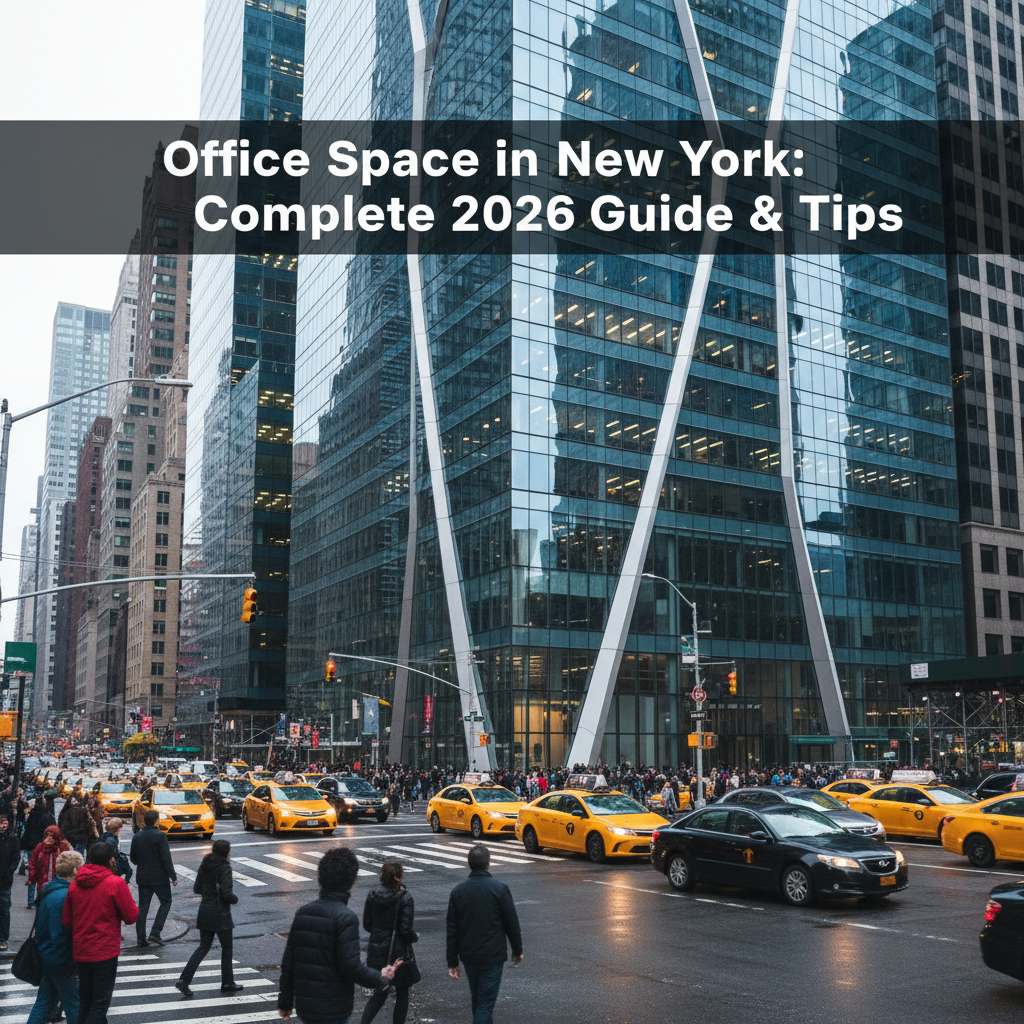
Manhattan continues to dominate NYC's office landscape, accounting for nearly 80% of the city's total office inventory south of 59th Street [1]. However, the distribution of demand has shifted considerably, with companies prioritizing quality over quantity in their space selections. Class A buildings in prime locations command premium rents, while older Class B and C properties offer significant value opportunities for cost-conscious organizations.
The market has witnessed a notable flight to quality, with tenants willing to pay higher per-square-foot rates for modern amenities, advanced building systems, and prime locations. This trend has created a two-tier market where top-tier properties maintain strong occupancy rates while older buildings struggle to attract tenants without significant capital improvements.
Pro Tip: Companies achieving the best lease terms in 2026 are those that can demonstrate flexible space utilization through data-driven occupancy analytics, making them attractive tenants for landlords seeking stable, long-term relationships.
Hybrid Work Impact on Space Demand
The permanent shift to hybrid work models has fundamentally altered how organizations approach office space planning. Companies are typically reducing their total square footage by 30-40% while investing more heavily in collaborative spaces, technology infrastructure, and flexible configurations that support both in-person and remote work styles.
This transformation has created demand for new types of spaces:
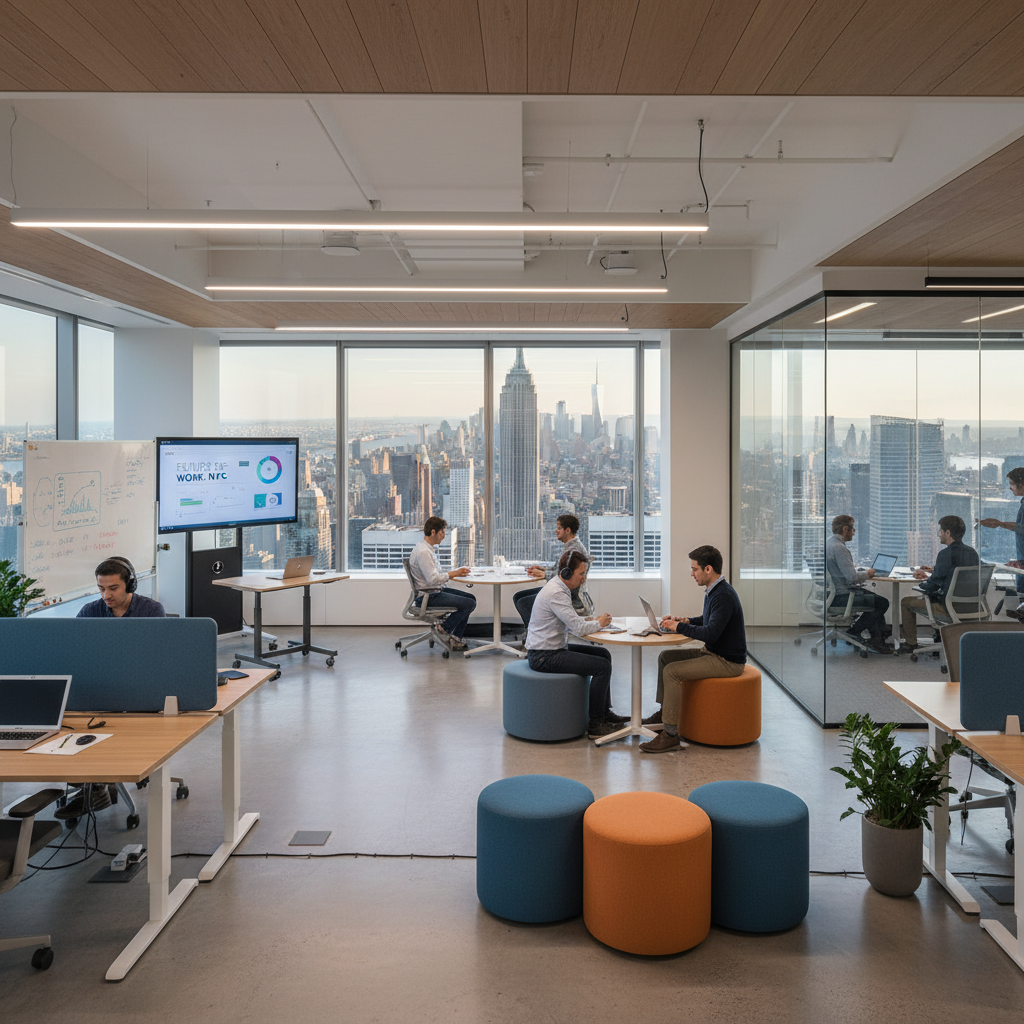
Collaboration-focused areas with advanced video conferencing capabilities
Flexible neighborhoods that can be reconfigured based on daily attendance patterns
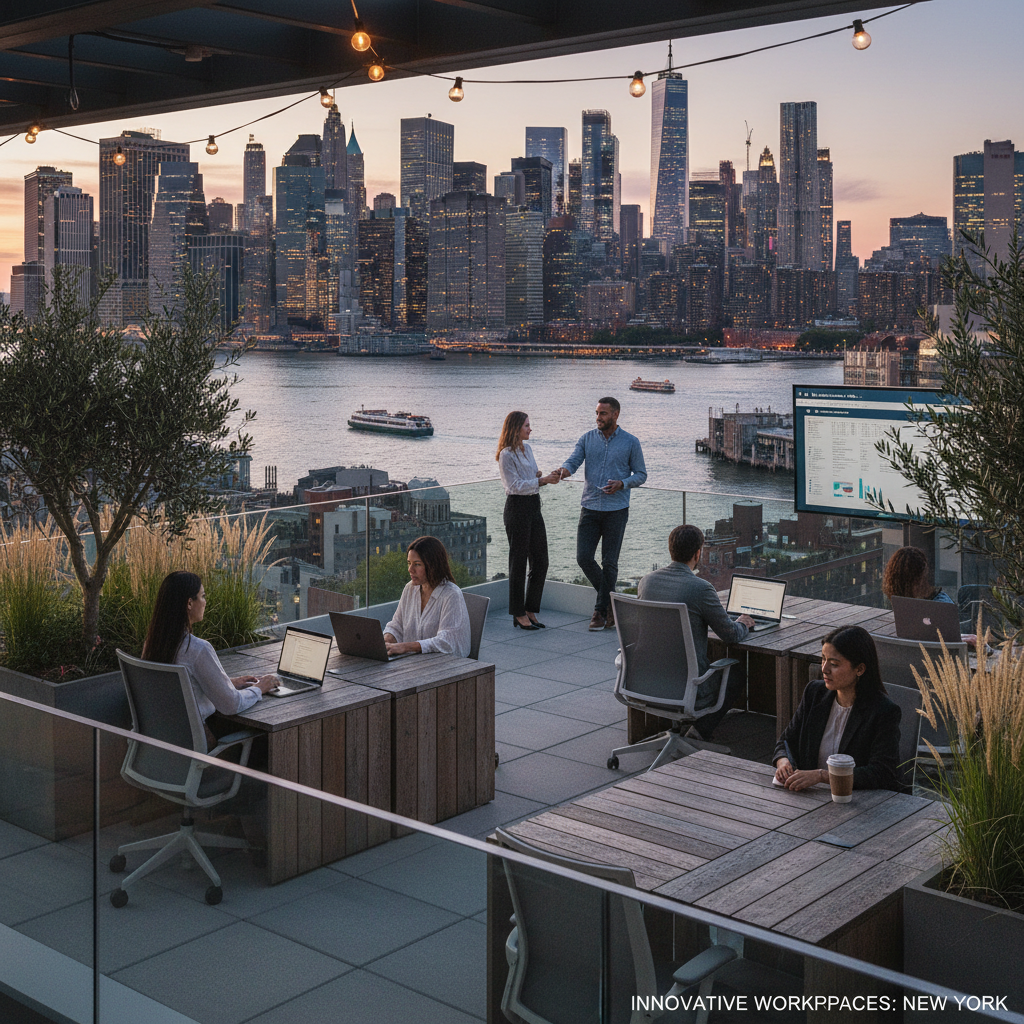
Wellness amenities including fitness facilities, meditation rooms, and outdoor terraces
Technology-enabled booking systems for desks, meeting rooms, and parking spaces
Hospitality-style common areas that encourage spontaneous interactions
At Upflex, we've observed that organizations using AI-powered attendance forecasting can achieve up to 88% co-attendance rates while reducing their real estate footprint by over 40%. This level of optimization requires sophisticated planning tools that many companies are just beginning to implement.
Office Space Costs & Pricing
Office space pricing in New York varies dramatically based on location, building class, lease terms, and current market conditions. Understanding the full cost structure beyond base rent is crucial for accurate budget planning and space selection decisions.
Manhattan Pricing Tiers
Manhattan's office space market operates on a clear hierarchy based on building quality and location desirability. Class A buildings, representing the pinnacle of luxury and modern amenities, command rents ranging from $48 to $150 per square foot annually [2]. These properties typically feature state-of-the-art building systems, premium finishes, and prime locations in established business districts.
Class B buildings offer a compelling middle ground, merging quality with value at $33 to $80 per square foot. These properties often provide excellent value for companies seeking professional environments without paying premium rates for the newest amenities. Class C buildings, while more basic in their offerings, range from $26 to $55 per square foot and can provide substantial cost savings for organizations with straightforward space requirements.
Building Class
Price Range (per sq ft/year)
Typical Features
Best For
Class A
$48 - $150
Premium finishes, modern HVAC, high-speed elevators
Fortune 500, law firms, finance
Class B
$33 - $80
Good condition, standard amenities, reliable systems
Mid-size companies, professional services
Class C
$26 - $55
Basic finishes, older systems, functional spaces
Startups, back-office operations, creative firms
Flexible/Coworking
$400 - $1,200/month per desk
All-inclusive, furnished, flexible terms
Startups, remote teams, project-based work
Additional Cost Considerations
Beyond base rent, office space in New York involves several additional expenses that can significantly impact total occupancy costs. Operating expenses, which cover building maintenance, utilities, and common area upkeep, typically add $8 to $25 per square foot annually. Real estate taxes, which landlords pass through to tenants, can range from $6 to $15 per square foot depending on the property's assessed value and location.
Tenant improvement allowances vary widely but generally range from $30 to $80 per square foot for new leases in quality buildings. However, companies should budget additional funds for specialized buildouts, technology infrastructure, and furniture. Security deposits typically require 3-6 months of rent, while broker fees can add 3-6% of the total lease value to upfront costs.
Pro Tip: Factor in a 15-20% buffer above quoted rents for true occupancy costs. Hidden expenses like after-hours HVAC charges, additional security, and technology upgrades can quickly add up, especially in older buildings.
Finding the Right Location
Location selection for office space in New York requires balancing multiple factors including cost, employee accessibility, client proximity, and neighborhood amenities. Each area of the city offers distinct advantages and trade-offs that can significantly impact both operational costs and business outcomes.
Prime Manhattan Districts
Midtown Manhattan remains the city's premier business district, housing major corporations, financial institutions, and professional services firms. The area offers unparalleled transportation access through Grand Central Terminal and Penn Station, making it highly attractive for companies with employees commuting from the suburbs. However, this convenience comes at a premium, with Class A space often exceeding $100 per square foot.
The Financial District has experienced a renaissance, transforming from a purely business-focused area into a mixed-use neighborhood with residential developments, restaurants, and cultural attractions. Office rents here typically run 20-30% lower than Midtown while still providing access to major financial institutions and excellent transportation links through multiple subway lines and ferry services.
SoHo and the Flatiron District appeal to creative industries, technology companies, and firms seeking a more innovative atmosphere. These neighborhoods offer unique architectural character, proximity to top talent, and vibrant street-level amenities. Rental rates generally fall between Financial District and Midtown pricing, with the added benefit of attracting younger workforce demographics.
Midtown: Premium location with highest accessibility but maximum cost
Financial District: Strong value proposition with improving amenities
SoHo/Flatiron: Creative atmosphere with moderate pricing
Chelsea/Meatpacking: Tech hub with modern buildings and lifestyle amenities
Upper East/West Side: Residential feel with lower costs but limited business infrastructure
Emerging Value Markets
Brooklyn has emerged as a legitimate alternative to Manhattan for many businesses, offering 40-60% cost savings while providing access to a highly educated workforce. DUMBO, Williamsburg, and Brooklyn Heights offer stunning views, modern office buildings, and excellent transportation connections to Manhattan. The borough's tech sector has grown substantially, creating a supportive ecosystem for innovation-focused companies.
Long Island City in Queens provides another compelling value proposition, with new construction office buildings offering modern amenities at significantly reduced costs compared to Manhattan. The area benefits from excellent subway access and proximity to both Manhattan and Brooklyn, making it attractive for companies seeking cost efficiency without sacrificing accessibility.
The Bronx, while still developing its commercial office market, offers the most affordable options in the city. Companies with back-office operations, call centers, or businesses serving local markets can achieve substantial cost savings while accessing a large, diverse workforce. Transportation infrastructure continues to improve, making these locations increasingly viable for a broader range of businesses.
Flexible Workspace Solutions
The flexible workspace sector has expanded dramatically in New York, providing alternatives to traditional long-term leases that align with modern business needs and hybrid work patterns. These solutions range from coworking spaces and private suites to on-demand meeting rooms and short-term office rentals.
Coworking and Private Office Options
Coworking spaces have evolved far beyond their startup-focused origins to serve enterprises, established companies, and remote teams seeking professional environments without long-term commitments. Premium providers like WeWork, Industrious, and Spaces offer private offices within shared buildings, providing the benefits of traditional office space with added flexibility and networking opportunities [3].
Private office suites within coworking environments typically cost $400 to $1,200 per month per desk, depending on location and amenities. These spaces often include access to common areas, meeting rooms, printing facilities, and networking events. For companies with 5-50 employees, this model can provide significant cost savings compared to traditional leases while offering scalability as teams grow or shrink.
Dedicated desk memberships in open coworking areas range from $300 to $800 per month, providing assigned workspace with storage and consistent access to the same location. Hot desk or flexible memberships, priced at $150 to $400 monthly, allow access to any available workspace within a network of locations, ideal for teams with varying attendance patterns.
Pro Tip: Negotiate coworking contracts that include access to multiple locations within a network. This flexibility becomes invaluable for hybrid teams and can reduce the need for additional meeting space rentals across the city.
On-Demand Meeting and Event Spaces
The rise of hybrid work has created substantial demand for flexible meeting spaces that companies can book as needed rather than maintaining dedicated conference facilities. Platforms like LiquidSpace, Breather, and Spacious offer hourly, daily, or weekly rentals of professional meeting rooms, event spaces, and temporary offices throughout New York [7].
Hourly meeting room rates typically range from $25 to $150 depending on capacity, location, and amenities. Full-day rates often provide better value, ranging from $200 to $800 for spaces accommodating 10-50 people. These solutions prove particularly cost-effective for companies that conduct meetings infrequently or need specialized spaces for client presentations, training sessions, or team offsites.
Many flexible workspace providers now offer hybrid meeting solutions with advanced video conferencing technology, allowing seamless integration between in-person and remote participants. This capability has become essential as companies maintain distributed teams while still requiring face-to-face collaboration for key business activities.
Optimizing Your Office Space Strategy
Successful office space optimization in New York requires a data-driven approach that considers both current needs and future flexibility requirements. Companies that leverage advanced analytics and strategic planning can achieve significant cost savings while improving employee satisfaction and productivity.
Space Utilization Analytics
Understanding actual space usage patterns is fundamental to optimizing office real estate investments. Many companies discover they're paying for significantly more space than they actually need when they implement occupancy tracking systems. Modern workplace analytics platforms use sensors, badge data, and booking systems to provide detailed insights into how employees use different areas throughout the day and week.
Our team at Upflex has found that companies using AI-powered attendance forecasting can reduce their real estate footprint by 40% or more while maintaining employee satisfaction. The key lies in understanding peak occupancy periods, popular collaboration zones, and underutilized areas that can be repurposed or eliminated.
Effective space utilization analysis considers multiple factors:
Daily and weekly attendance patterns across different employee groups
Meeting room booking rates and actual usage duration
Collaboration space popularity and capacity optimization
Individual workspace preferences and productivity zones
Seasonal variations in office usage and space needs
Hybrid Work Optimization Strategies
Implementing effective hybrid work policies requires sophisticated coordination to ensure adequate space availability while avoiding overcrowding or underutilization. Companies achieving the best results use predictive analytics to forecast daily attendance and automatically adjust space configurations based on expected needs.
Successful hybrid work optimization involves several key strategies. Desk booking systems allow employees to reserve workspace in advance while providing facilities managers with accurate occupancy forecasts. Neighborhood-based seating arrangements enable teams to coordinate their in-office days for maximum collaboration while maintaining flexibility for individual work preferences.
At Upflex, our UnifyAI technology delivers 97% attendance forecast accuracy, enabling companies to right-size their office space while ensuring adequate capacity for peak usage periods. This level of precision allows organizations to maintain smaller physical footprints without compromising employee experience or operational effectiveness.
The most successful implementations also include change management programs that help employees adapt to new ways of working. Clear communication about booking procedures, space etiquette, and collaboration expectations ensures smooth transitions to optimized office environments.
Understanding office space in new york is essential. Office space costs in NYC vary significantly by building class and location. Class A buildings range from $48-150 per square foot annually, Class B buildings cost $33-80 per square foot, and Class C buildings range from $26-55 per square foot. Additional expenses including operating costs, taxes, and buildout can add 20-40% to base rent prices.
2. What are the best neighborhoods for office space in New York?
Midtown Manhattan offers premium accessibility but highest costs, while the Financial District provides better value with improving amenities. Brooklyn neighborhoods like DUMBO and Williamsburg offer 40-60% cost savings with excellent transportation links. SoHo and Flatiron attract creative industries with moderate pricing and unique character.
3. How has hybrid work affected NYC office space demand?
Hybrid work has reduced overall space demand by 30-40% while increasing focus on collaboration areas and flexible configurations. Companies are prioritizing quality over quantity, investing in technology-enabled spaces that support both in-person and remote work. This has created a two-tier market favoring modern, amenity-rich buildings.
4. What flexible workspace options are available in NYC?
NYC offers extensive flexible workspace options including coworking spaces ($150-800/month per desk), private office suites ($400-1,200/month per desk), and on-demand meeting rooms ($25-150/hour). These solutions provide alternatives to traditional leases with greater flexibility and often include amenities like networking events and multiple location access.
5. How can companies optimize their office space costs in New York?
Companies can optimize costs through space utilization analytics, hybrid work coordination, and flexible workspace solutions. AI-powered attendance forecasting can reduce real estate footprints by 40% while maintaining employee satisfaction. Consider alternative neighborhoods, negotiate flexible lease terms, and implement desk booking systems to maximize space efficiency.
6. What should I budget beyond base rent for NYC office space?
Budget an additional 15-20% above base rent for total occupancy costs. Operating expenses add $8-25 per square foot annually, real estate taxes contribute $6-15 per square foot, and tenant improvements range from $30-80 per square foot. Security deposits typically require 3-6 months rent, with broker fees adding 3-6% of total lease value.
7. Are there affordable office space options in NYC for startups?
Yes, startups can find affordable options through Class C buildings in emerging neighborhoods, coworking spaces with flexible memberships, and outer borough locations offering 40-60% savings. Brooklyn, Queens, and the Bronx provide cost-effective alternatives with improving transportation access and growing business ecosystems.
Finding the right office space in New York requires careful consideration of costs, location benefits, and future flexibility needs. The market has evolved to support diverse workspace strategies, from traditional long-term leases in premium Manhattan buildings to flexible coworking arrangements and hybrid solutions that adapt to changing business requirements.
Success in NYC's office market depends on understanding your organization's specific needs, leveraging data to optimize space utilization, and remaining flexible as work patterns continue to evolve. Companies that invest in strategic planning and modern workplace technologies position themselves to thrive while managing real estate costs effectively.
Whether you're seeking a prestigious Manhattan address or exploring cost-effective alternatives in emerging neighborhoods, the key lies in aligning your workspace strategy with both current operations and future growth plans. Consider partnering with workplace optimization platforms that can help you navigate these complex decisions while maximizing your real estate investment.
About the Author
Written by the SaaS experts at Upflex. Our team brings years of hands-on experience helping businesses with SaaS, delivering practical guidance grounded in real-world results.